







From Skinny to Strong: A Cultural Shift
For years, the Indian fitness narrative was dominated by a single goal: weight loss. Cardio was king, and thinness was the ultimate prize. But a significant shift has occurred, particularly in the post-pandemic era. Today, the conversation has changed
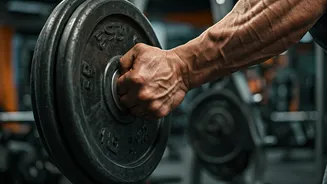
from “How much weight did you lose?” to “How much are you lifting?”. This is a philosophical evolution, moving from a culture of subtraction (eating and weighing less) to one of addition: more muscle, more energy, and more strength. This newfound focus on strength is especially prominent among Indian women, who are challenging old myths that lifting weights leads to bulkiness. The goal is no longer just aesthetics but building a resilient, capable body for the long run.
More Than Just Muscles: The Mental Gains
A huge driver of the strength training boom is the growing awareness of its profound mental health benefits. Research increasingly shows that resistance training can be as effective as medication for treating mild to moderate depression. Lifting weights stimulates the release of mood-boosting chemicals like endorphins, serotonin, and dopamine. It also helps regulate the body's stress response by lowering levels of cortisol. Beyond the biochemical effects, there's a powerful psychological component. The act of progressively lifting heavier weights provides a sense of accomplishment and measurable progress, which can build confidence and resilience that translates into daily life. In a world where much feels out of our control, mastering a lift can be incredibly empowering.
The New Faces of Fitness
The strength training floor looks different these days. Once a male-dominated space, it is now increasingly diverse. Women, in particular, are embracing strength training in huge numbers, inspired by a desire for empowerment and long-term health. There's a growing understanding that building muscle is crucial for women, as it improves insulin sensitivity, protects bone density, and supports cognitive function, especially as they age. This has been supported by the rise of female-led fitness communities and trainers who create safe and encouraging environments. Simultaneously, older adults are now the fastest-growing gym demographic in India, focusing on functional strength to improve longevity and maintain independence.
Functional Fitness and Tech Integration
The definition of strength training itself has expanded. It's no longer just about lifting the heaviest barbell possible. The rise of “functional fitness” — which uses compound movements that mimic everyday life like squatting and lifting — has made strength training more accessible and relevant to a wider audience. This philosophy prizes agility and overall health over sheer muscle size. Technology is also playing a huge role. Wearable devices that track everything from heart rate variability to sleep quality give users data-driven insights to optimize their training. AI-powered apps provide personalized workout plans, making expert guidance more accessible than ever before. This tech-driven approach, combined with hybrid models of in-person and virtual coaching, is making it easier for people to stay consistent and engaged.
The Indian Market is Booming
The numbers confirm the trend. India's fitness industry is on a steep growth trajectory, projected to more than double in revenue by 2030. While gym penetration is still relatively low compared to global averages, it signals a massive potential for growth. Boutique studios specializing in formats like HIIT and functional training are the fastest-growing segment. This boom is fuelled by rising health awareness, increasing disposable incomes, and a cultural shift that now views fitness as an essential part of a productive and healthy life. From competitive events like Hyrox to community-led run clubs, fitness is becoming a social and lifestyle activity, cementing strength training's place in India's wellness landscape for years to come.