





As temperatures drop, does your skin feel tight, rough, or flaky? For many, the arrival of winter means a battle with dryness that a simple lotion can't win. It's when your skin needs more than basic care—it needs extra attention.
Why Winter Is Harsh on Your Skin
The cosy feeling of winter
often comes at a cost to our skin. The primary culprit is a drop in humidity. Cold air holds less moisture, and when we move indoors, heating systems dry out the air even more. This combination pulls moisture directly from your skin's surface in a process called transepidermal water loss. Furthermore, those comforting long, hot showers can be counterproductive. Hot water strips the skin of its natural oils (lipids), which are essential for maintaining a healthy protective barrier. A weakened barrier is less effective at retaining moisture, leading to that all-too-familiar feeling of tightness, itchiness, and flaking. Harsh winds can also erode this barrier, worsening dryness.
Upgrade Your Moisturiser: Key Ingredients to Look For
When your summer lotion is no longer effective, it's time to look for richer formulations with specific ingredients designed to combat winter dryness. Think of it as upgrading from a light jacket to a winter coat. Seek out products containing humectants, which draw moisture into the skin. Key humectants include Hyaluronic Acid, which can hold up to 1,000 times its weight in water, and Glycerin. However, humectants need to be sealed in. That's where barrier-repairing ingredients come in. Ceramides are lipids that are naturally found in skin and help hold skin cells together, reinforcing the barrier. Emollients like Shea Butter and Squalane soften the skin and form a protective layer to prevent moisture loss. For very dry areas, occlusives like petrolatum create a physical barrier to seal everything in.
Your Enhanced Winter Skincare Routine
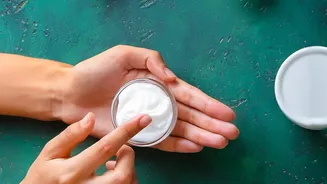
Adjusting your daily routine is crucial for keeping skin comfortable. Start by swapping any foaming or gel cleansers for a gentle, creamy, or hydrating wash that doesn't leave your skin feeling stripped. Consider cleansing only at night and simply rinsing with lukewarm water in the morning. The cardinal rule of winter moisturising is to apply products to damp skin. Immediately after showering or washing your face, gently pat your skin dry, leaving it slightly damp, and then apply your serums and moisturiser. This helps lock in hydration. Layering is your friend: apply a hydrating serum with hyaluronic acid first, followed by a richer ceramide cream. And don't forget sunscreen; UV rays are present even on cold, cloudy days.
Lifestyle Habits for Hydrated Skin
What you do beyond your skincare shelf also makes a significant impact. Hydration starts from within, so be sure to drink plenty of water throughout the day. Including foods rich in omega-3 fatty acids, like oily fish and nuts, can also help nourish the skin from the inside. To combat dry indoor air, using a humidifier in your bedroom or the room where you spend the most time can add much-needed moisture back into the environment. When it comes to clothing, be mindful of fabrics. Materials like wool can be irritating to already sensitive skin. Opt for soft, breathable layers like cotton against your skin to reduce irritation.
When to See a Dermatologist
While most winter dryness can be managed with an upgraded home care routine, there are times when professional help is needed. If your skin doesn't improve despite consistent moisturising, it's a good idea to consult a dermatologist. You should also seek medical advice if your skin becomes intensely itchy, painful, or develops cracks that may bleed. Red, inflamed, or scaly patches could be a sign of an underlying condition like eczema or psoriasis, which often flare up in winter and require a specific treatment plan. If any products cause persistent stinging or burning, or if you see signs of infection like yellow crusts or pus, a professional evaluation is necessary.