







What Exactly Is Quick Commerce?
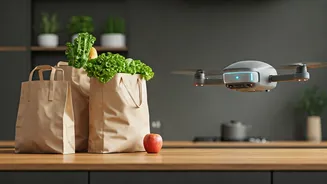
Quick commerce, or q-commerce, is the next generation of e-commerce, built on the promise of ultra-fast delivery. While traditional e-commerce delivers in days, q-commerce delivers essentials in minutes, typically under 30. This model thrives on a network
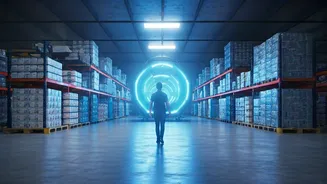
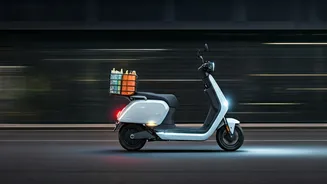
of 'dark stores'—small, strategically located warehouses that are not open to the public but are stocked with thousands of everyday items. When you order, a picker inside the store quickly assembles your items, which are then whisked to your doorstep by a delivery rider. This entire process is optimised by technology, from inventory management to AI-powered route mapping, to ensure maximum speed.
The Meteoric Rise of Instant Gratification
India's quick commerce market is experiencing explosive growth. Valued at USD 3.05 billion in FY 2024, it has seen rapid expansion driven by rising smartphone penetration, affordable internet, and a growing consumer appetite for instant delivery. Projections indicate the market could reach between $60 billion and $83 billion by 2030. The COVID-19 pandemic acted as a massive catalyst, pushing consumers online and normalizing the purchase of daily essentials through apps. Before quick commerce, only about a third of frequent online shoppers used these platforms for daily needs; that number has now soared to 87%, highlighting a fundamental shift in consumer behaviour. This growth is concentrated in metro areas but is quickly expanding to Tier-II and Tier-III cities.
From Impulse Buys to Planned Purchases
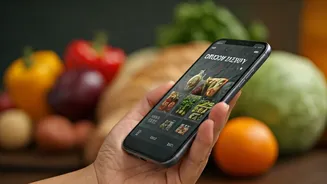
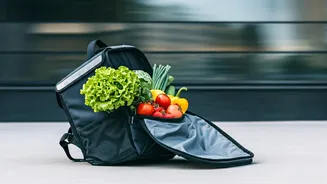
Initially seen as a service for impulse buys or top-up purchases, quick commerce is now deeply integrated into household planning. Consumers are moving beyond just ordering snacks and drinks. Staples, fresh fruits and vegetables, dairy, and personal care items are now routinely bought through these platforms. This shift indicates that q-commerce is not just cannibalising sales from local kirana stores or large supermarkets but is also creating new consumption patterns. Studies suggest that 6-8% of purchases on these platforms represent incremental demand—items that consumers might have skipped buying otherwise. The convenience of instant delivery encourages more frequent, smaller-basket purchases, changing the traditional weekly or monthly grocery run.
The Players Dominating the Race
The Indian market has consolidated around three major players: Zomato's Blinkit, Swiggy's Instamart, and Zepto. As of early 2026, Blinkit holds the largest market share, with some reports putting it at around 46%, followed by Zepto and Instamart. These companies are locked in an intense battle for market dominance, investing heavily in expanding their network of dark stores and delivery fleets. Blinkit, for instance, aims to expand its dark store count to 3,000 by March 2027. The competition is fierce, with each platform innovating by expanding into new categories like electronics, beauty products, and even fashion to increase their average order value (AOV).
The Billion-Dollar Question: Is It Profitable?
Despite the staggering growth, the path to profitability remains a major challenge. The quick commerce model is capital-intensive, requiring massive investments in infrastructure, technology, and marketing to acquire and retain customers. For a long time, companies prioritised growth over margins, leading to significant losses. However, the tide is beginning to turn. Blinkit reported achieving EBITDA positivity in 2024, a major milestone for the sector. The focus is now shifting from just speed to sustainable economics. Platforms are exploring multiple revenue streams, including delivery fees, platform fees, and, increasingly, in-app advertising, which has become a fast-growing source of income. Optimizing dark store efficiency and increasing average order values are now the key priorities.