



As 2027 approaches, India's vibrant festival calendar is evolving. A growing appetite for immersive, community-driven experiences is pushing celebrations into grand outdoor settings and extending them into lively, atmospheric evenings.
Diwali: Illuminations Go Public
The festival of
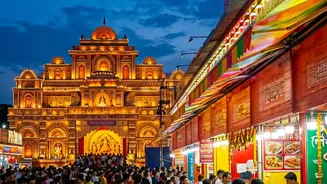
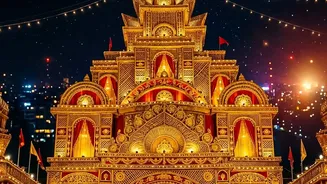
lights, traditionally a home-centric celebration, is increasingly spilling into the public square. While family pujas remain central, expect 2027's Diwali on October 29 to feature more large-scale community events. Cities are likely to host curated light shows, 'mela' style fairs, and eco-conscious fireworks displays in designated parks. This shift encourages a collective celebration, moving beyond private homes to create spectacular, shared experiences under the autumn sky while also addressing environmental concerns about widespread firecracker use.
Holi: The Communal Colour-Fest
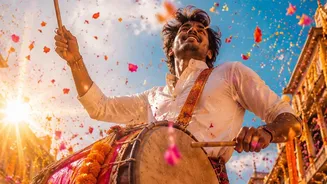
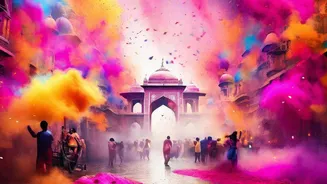
Holi, falling on March 22 in 2027, has long been an outdoor affair, but its modern form is becoming more organized and event-driven. Beyond the spontaneous street gatherings, look for ticketed Holi events in large, open venues with curated music, organic colours, and food stalls. Evening rituals like the Holika Dahan bonfire are also becoming bigger community gatherings, sometimes hosted at cultural landmarks, setting a spiritual yet festive tone for the main event.
Jaipur Literature Festival: The After-Hours Intellectual Hub
Running from January 14-18 in 2027, the world's largest free literary festival has perfected the art of the evening event. While daytime sessions with Nobel laureates and Booker winners are the main draw, the festival transforms after sunset. The separately ticketed Jaipur Music Stage offers a vibrant counterpoint with folk, fusion, and world music concerts that draw a massive crowd. Special events like the Heritage Evening at Amber Fort provide a magical, atmospheric experience, proving that intellectual pursuits pair perfectly with stunning nocturnal settings.
Ziro Festival of Music: The Ultimate Outdoor Experience
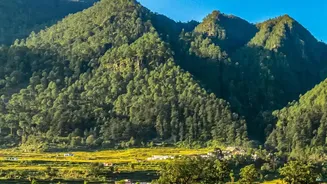
Set against the stunning backdrop of Arunachal Pradesh's rice fields, Ziro Festival is the epitome of an outdoor music event. Typically held in late September, its entire identity is built around open-air stages made of bamboo and a communal camping culture. The experience is deeply connected to nature, from waking up to misty hills to watching bands under the stars. The festival's evening sessions, with stages glowing against the dark valley, are a core part of its appeal, fostering a unique community vibe that lasts long after the final set.
Pushkar Camel Fair: Desert Days and Festive Nights
Expected to run from November 6-14 in 2027, the Pushkar Camel Fair is a tale of two festivals. By day, it's a bustling livestock fair in the desert dunes. As evening approaches, the focus shifts to a cultural extravaganza. The fairgrounds come alive with folk music and dance performances, attracting locals and tourists alike. The blend of daytime trade and evening entertainment, culminating in the holy dip on the full moon of Kartik Purnima, makes it a uniquely immersive outdoor spectacle.
Hornbill Festival: Where the Party Starts After Dark
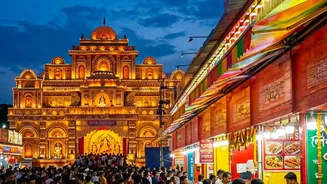
Nagaland's Hornbill Festival, held in early December, has a dynamic dual personality. While the daytime is for witnessing traditional tribal culture at the Kisama Heritage Village, the festival's energy migrates to Kohima town at night. The Hornbill Night Carnival transforms the city's main streets into a bustling market with food stalls, live music, and a joyful throng of people. This after-dark celebration is considered an essential part of the Hornbill experience, offering a spontaneous and social counterpoint to the structured daytime events.
NH7 Weekender: The Urban Outdoor Pioneer
As one of India's most prominent contemporary music festivals, NH7 Weekender has always championed the large-scale outdoor format. Its multi-stage, open-air setup is designed to create an expansive, exploratory experience for fans. The festival’s schedule is heavily weighted towards the late afternoon and evening, when cooler temperatures and sophisticated light shows create a vibrant concert atmosphere. This model has been influential in shaping India's burgeoning live music scene, demonstrating the commercial and cultural power of well-organized, experience-driven outdoor events.
Pattadakal Dance Festival: Culture Under the Stars
Held against the magnificent backdrop of Karnataka's UNESCO World Heritage temples, this classical dance and music festival is a perfect example of using heritage sites for atmospheric evening performances. While it's a more niche event, it represents a significant trend: leveraging India's stunning historical architecture as a stage. The blend of spiritual temple settings, exhilarating classical performances after sunset, and accompanying craft melas creates a powerful and uniquely Indian cultural experience.