



A Turning Point in August
The headline numbers for August 2026 were impressive, showing a 16.14% year-on-year growth in passenger vehicle retail sales. But the real story was in the fuel-wise breakdown. According to data from the Federation of Automobile Dealers Associations (FADA),
alternative fuels reached a tipping point. The combined market share of CNG, hybrid, and electric vehicles (EVs) stood at 41.95%, narrowly edging past petrol/ethanol vehicles, which accounted for 40.85% of sales. Diesel vehicles continued their decline, making up the remaining 17.21%. This marks a historic moment, as petrol has long been the undisputed king of powertrains in the Indian market. Just a year ago, petrol's share was around 46%, highlighting the rapid pace of this transition.
CNG: The Undisputed Value Champion
The primary driver of this shift is Compressed Natural Gas (CNG). Accounting for a record-high 25.28% of all passenger vehicles sold in August, CNG has cemented its place as the go-to choice for cost-conscious buyers. With petrol prices remaining volatile, the lower running cost of CNG vehicles offers significant savings, making them an attractive proposition for high-mileage users in both urban and rural areas. The expanding network of CNG filling stations and the availability of factory-fitted CNG kits from leading manufacturers like Maruti Suzuki and Tata Motors have further boosted consumer confidence and adoption. For many, CNG represents a practical and immediate solution to rising fuel expenses without the range anxiety associated with EVs.
Hybrids Find Their Sweet Spot
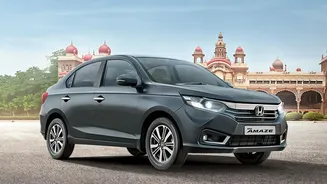
Hybrid vehicles, which combine a petrol engine with an electric motor, also saw a significant surge, capturing 9.04% of the market. This category, which includes both mild and strong hybrids, is increasingly seen as the perfect bridge technology. Strong hybrids, in particular, offer substantial fuel efficiency gains and the ability to run on pure electric power for short distances, without needing to be plugged in. This addresses two key consumer concerns: fuel economy and the current limitations of EV charging infrastructure. Models from manufacturers like Toyota, Maruti Suzuki, and Honda are finding favour with buyers who want a greener and more economical car without making the full leap to electric.
EVs: Gaining Momentum Despite Hurdles
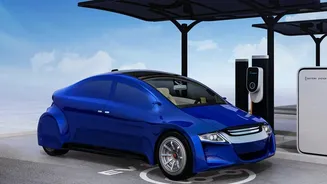
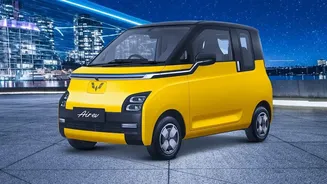
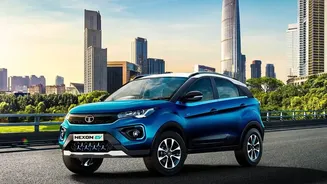
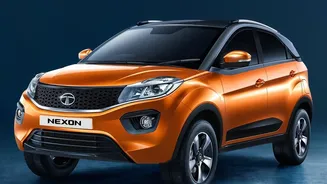
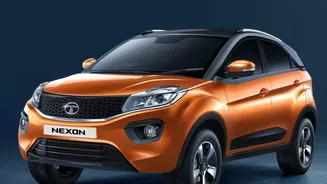
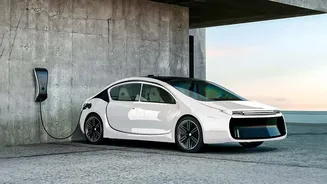
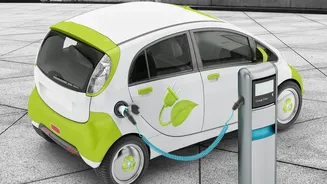
Electric vehicles continued their steady climb, accounting for 7.63% of sales in August, a notable increase from 5.9% in the same month last year. Overall EV sales across all vehicle categories saw a year-on-year increase of nearly 53%. This growth is propelled by a wider variety of models, improving battery technology, and growing consumer awareness. Tata Motors maintained its leadership in the passenger EV space, with its market share hitting a recent high of around 43%. However, challenges remain. High upfront costs compared to their petrol counterparts and gaps in the public charging network are still significant barriers for many potential buyers, keeping the overall EV penetration below 8%.
Why is This Shift Happening Now?
Several factors are converging to accelerate this powertrain transition. Persistently high petrol and diesel prices are the most obvious catalyst, pushing consumers to evaluate running costs more closely than ever. Secondly, there is a growing consumer hesitancy around the E20 (20% ethanol blended) petrol transition, which appears to be steering some buyers towards other options. Finally, the sheer variety of choices available has exploded. A few years ago, alternative fuel options were limited. Today, buyers can choose from a wide array of CNG, strong hybrid, and electric models across different price points and body styles, from hatchbacks to SUVs.