

The Magic of Meteor Showers
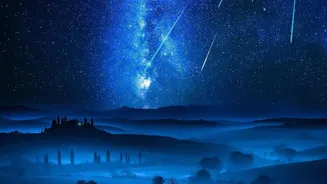
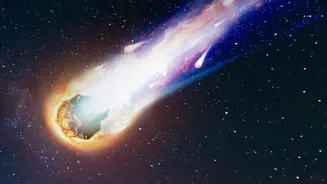
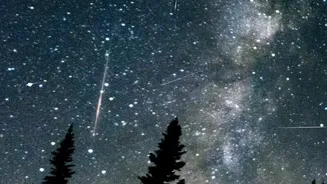
A meteor shower occurs when Earth passes through a trail of debris left behind by a comet or asteroid. These tiny particles, often no bigger than a grain of sand, burn up upon entering our atmosphere, creating bright streaks of light we call 'shooting
stars'. They are not actual stars, but they create a breathtaking natural firework display. This autumn season features two prominent showers: the Perseids, which have just passed their peak, and the upcoming Orionids. Both offer a fantastic reason to find a dark spot and look up.
The Perseids: A Dazzling August Spectacle
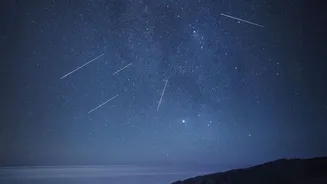
The Perseid meteor shower, which peaked around August 12-13, is considered one of the best of the year. In 2026, the peak viewing conditions were exceptionally favorable due to a new moon, creating perfectly dark skies. Caused by debris from Comet Swift-Tuttle, the Perseids are known for their bright, fast meteors, with observers in dark locations potentially seeing up to 100 meteors per hour. While the peak has passed, the shower remains active until late August, so you might still catch a few stray shooting stars in early September before the activity completely fades.
The Orionids: Autumn’s Main Event
The true star of the autumn celestial calendar is the Orionid meteor shower. This shower is active from early October to early November, with its peak expected on the night of October 21-22, 2026. The Orionids are special because they originate from debris left by the famous Halley's Comet. While not as prolific as the Perseids, you can still expect to see around 15 to 25 meteors per hour under dark skies. These meteors are known for their speed and can sometimes leave persistent, glowing trails in the sky for a few seconds. The best viewing time will be in the pre-dawn hours, after midnight.
How to Escape the City Lights
The key to good stargazing is escaping light pollution. For those in non-metro cities, a truly dark sky is often just a short drive away. Look for locations on the outskirts of your town, away from streetlights and commercial areas. Hill stations, remote coastal stretches, and vast open plains are excellent choices. Places like the Rann of Kutch in Gujarat, the high-altitude deserts of Spiti Valley and Ladakh, and the coffee estates of Coorg in Karnataka are renowned for their dark skies. Even lesser-known spots like Pachmarhi in Madhya Pradesh or parts of the Thar Desert near Jaisalmer offer incredible views. The goal is to find a spot with a wide, unobstructed view of the sky, far from any direct sources of light.
Your Stargazing Toolkit
You don't need expensive equipment to enjoy a meteor shower. Your eyes are the best tool you have. However, a few items can make the experience much more comfortable and enjoyable. First, bring a blanket or a reclining chair to lie back on; craning your neck for hours can be uncomfortable. Dress in warm layers, as even summer nights can get chilly, especially in the early morning hours. Pack some snacks and a warm beverage. A red-light torch is highly recommended, as it helps you see in the dark without ruining your night vision the way a white light does. Finally, download a stargazing app on your phone to help you identify constellations, but be sure to use its night mode to preserve your dark-adapted eyes.
Tips for the Perfect Viewing Experience
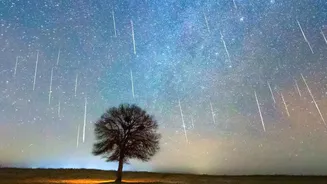
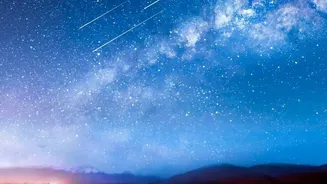
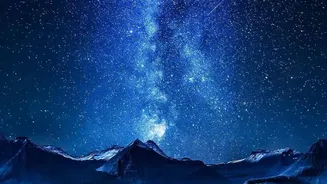
Patience is paramount. Once you've found your dark spot, give your eyes at least 20-30 minutes to fully adjust to the darkness. During this time, avoid looking at your phone or any other light source. Meteors can appear in any part of the sky, so you don't need to stare at a single point. Lie back, relax, and take in as much of the sky as possible. The best viewing times are typically after midnight and before dawn, as this is when the part of Earth you are on is facing directly into the meteor stream. Don't be discouraged if you don't see a meteor right away. The show is often a waiting game, but the reward of a bright fireball streaking across the Milky Way is well worth it.