
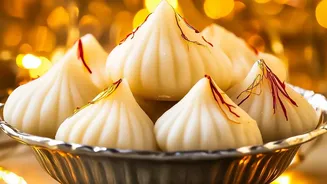
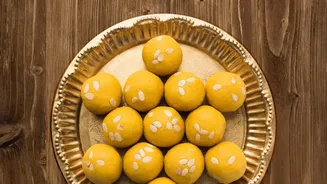
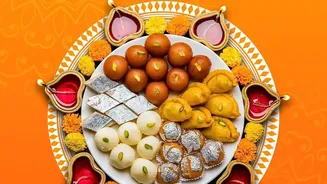
A Sweet Tradition Reimagined
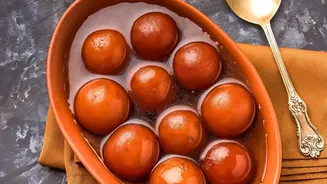
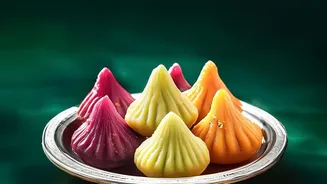
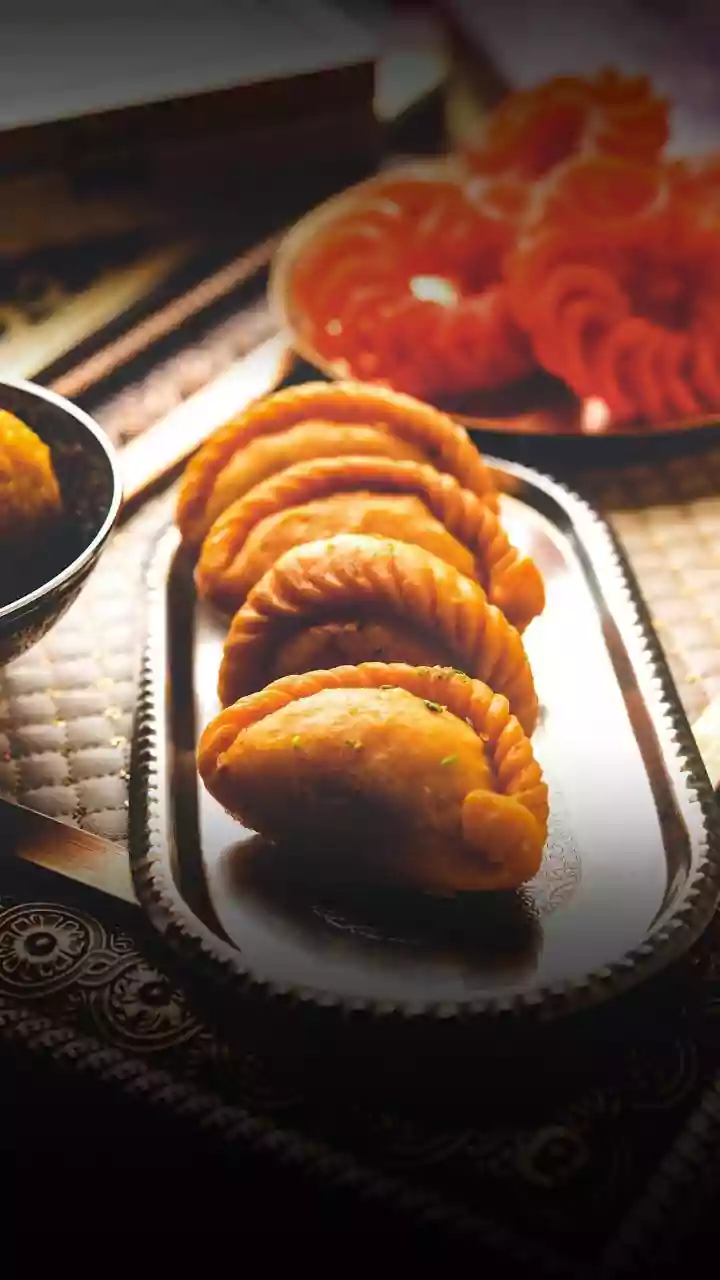
Janmashtami, the celebration of Lord Krishna's birth, is a festival steeped in tradition, from midnight prayers to the intricate preparation of 'bhog' or offerings. Central to these offerings are sweets, many of which are believed to be Krishna's favourites,
like Makhan Misri (fresh butter with rock sugar) and Panjiri. However, a growing consciousness around health and wellness is prompting a delicious evolution. Across the country, youth collectives and home-based entrepreneurs are revisiting these age-old recipes, substituting refined white sugar with healthier, natural alternatives. This movement isn't about discarding tradition but preserving it in a way that aligns with contemporary lifestyles, ensuring that the joy of festive indulgence doesn't come with a side of guilt.
The New Guard of Mithai-Makers
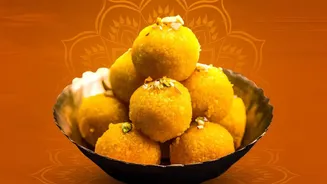
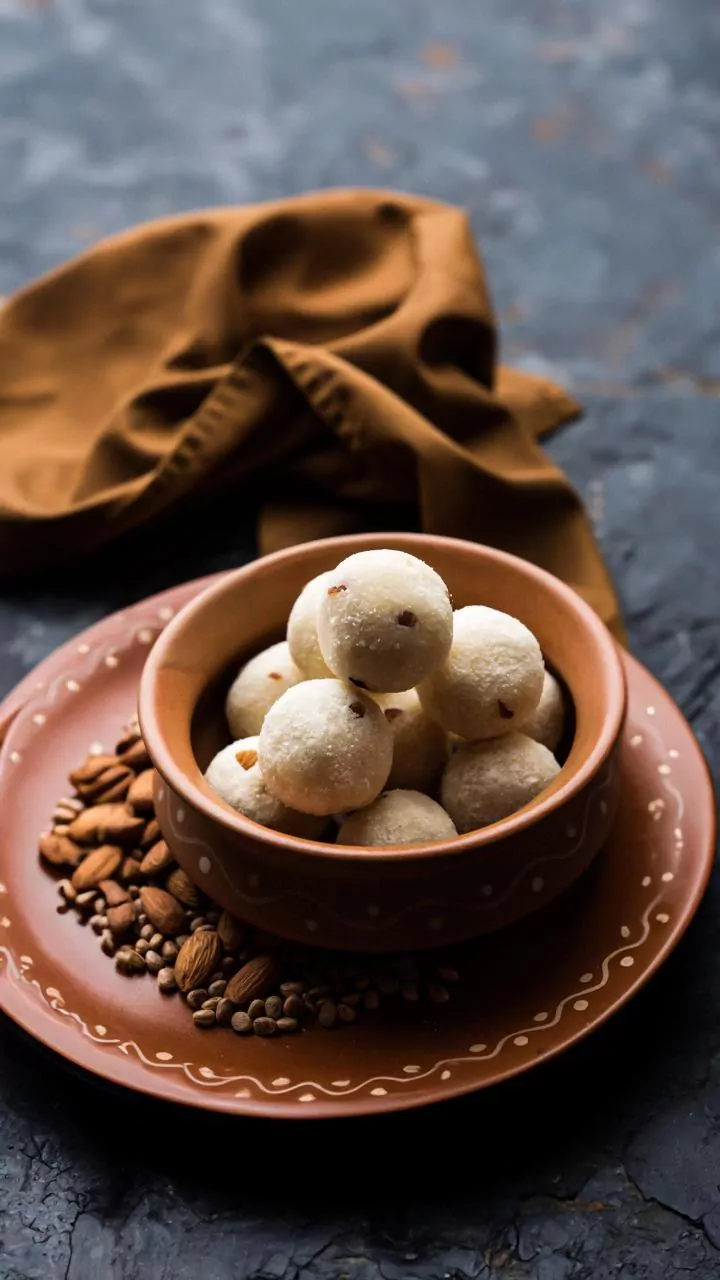
This trend is being championed by a generation that is deeply connected to its cultural roots yet keenly aware of global wellness trends. These are not large corporations but small, community-based groups, often led by young women, who are using social media and local networks to share their creations. They are driven by a desire to see festive foods enjoyed by everyone, including those with dietary restrictions or a preference for mindful eating. By adapting recipes for sweets like Besan Ladoos, Coconut Laddoos, and various kheers, they are making heritage accessible and appealing to a new generation. Their work represents a beautiful synthesis of old and new, where the wisdom of ancestral kitchens meets modern nutritional science.
From Refined Sugar to Wholesome Sweeteners
The primary change in these adapted recipes is the replacement of refined white sugar. The new heroes of the sweet world are natural sweeteners that offer more than just empty calories. Jaggery (gur) is a popular choice, treasured for its rich, molasses-like flavour and its mineral content, including iron and magnesium. It is minimally processed, retaining nutrients that are stripped from white sugar. Other popular substitutes include date paste, which provides natural sweetness along with fibre, and coconut sugar, which has a lower glycemic index. For those seeking zero-calorie options, plant-based sweeteners like stevia are also being used in recipes for everything from Makhana Kheer to Shrikhand. These swaps do more than just reduce sugar; they introduce complex flavours and nutritional benefits.
Classic Prasad, Healthier Avatar
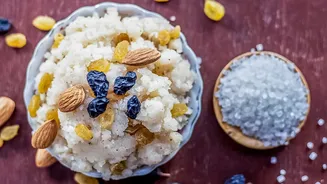
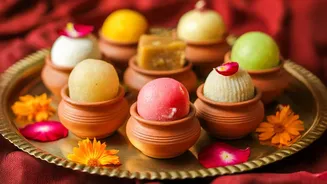
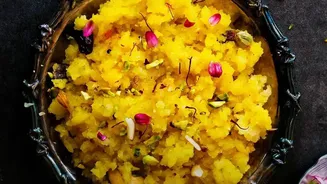
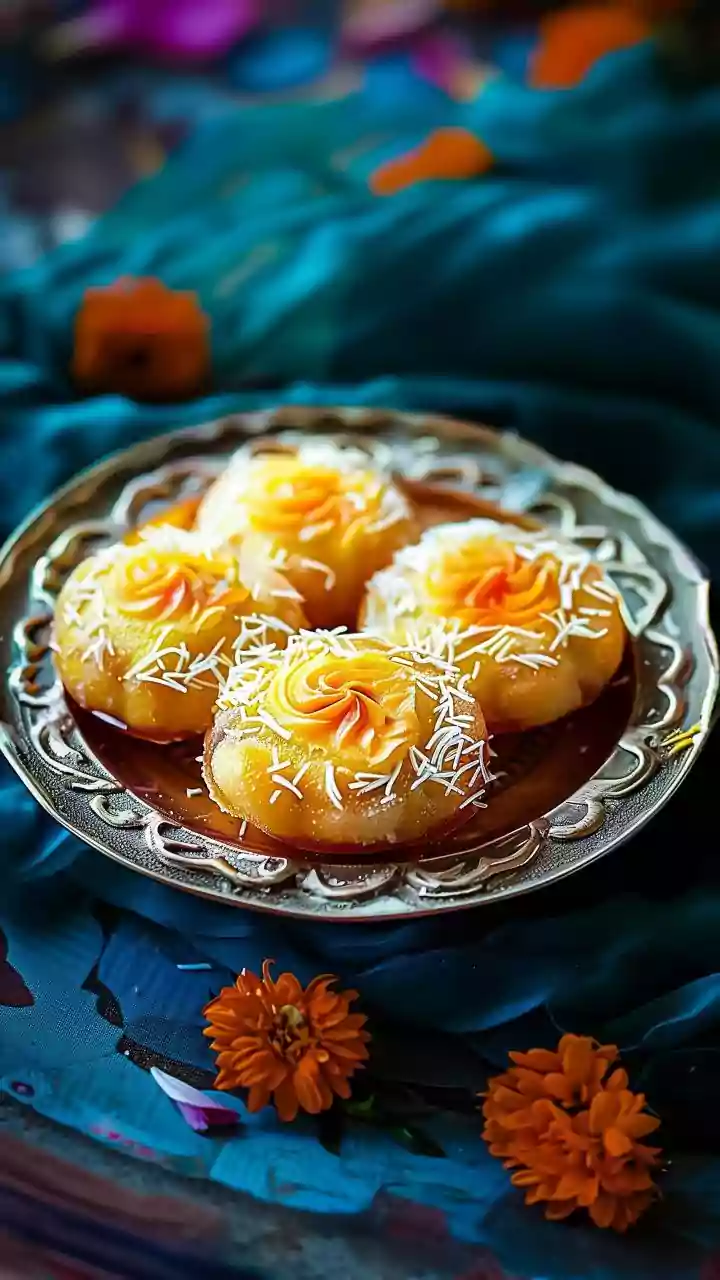
So what does a low-sugar Janmashtami spread look like? It's filled with familiar favourites, just made smarter. Dhaniya Panjiri, a traditional prasad, is being prepared with jaggery powder instead of sugar, its digestive properties enhanced by the coriander. Makhana Kheer, a creamy dessert made from fox nuts, is simmered with low-fat milk and sweetened with date syrup or a touch of stevia. Energy-dense laddoos are being crafted from dates, figs, and an assortment of nuts, held together without any added sugar at all. Even milk-based sweets like Peda and Rabri are getting a makeover, with makers focusing on the richness of full-fat milk and using natural sweeteners sparingly to let the primary ingredients shine. The result is a platter of prasad that is both delicious and nourishing.