

Stuck in a roti-sabzi rut? Packing a daily vegetarian lunch that is exciting, nutritious, and perfectly portioned can feel like a chore. The secret isn't finding more recipes, but a smarter strategy for planning and preparation.
The Blueprint for a Balanced Box
A satisfying lunch doesn't
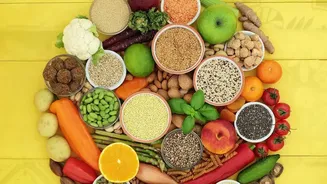
require complex recipes, just a balanced blueprint. Aim to include four key elements in every tiffin. First, a source of protein like paneer, tofu, chickpeas, or dal keeps you feeling full. Second, add complex carbohydrates for sustained energy, such as whole wheat roti, millets, quinoa, or brown rice. Third, include plenty of vegetables for fibre and nutrients; these can be a dry sabzi, a crunchy salad, or stir-fried veggies. Finally, a source of healthy fat—think a handful of nuts, seeds, or a slice of avocado—completes the meal. This framework ensures your lunch is nutritionally complete and satisfying.
Your Sunday Strategy for Success
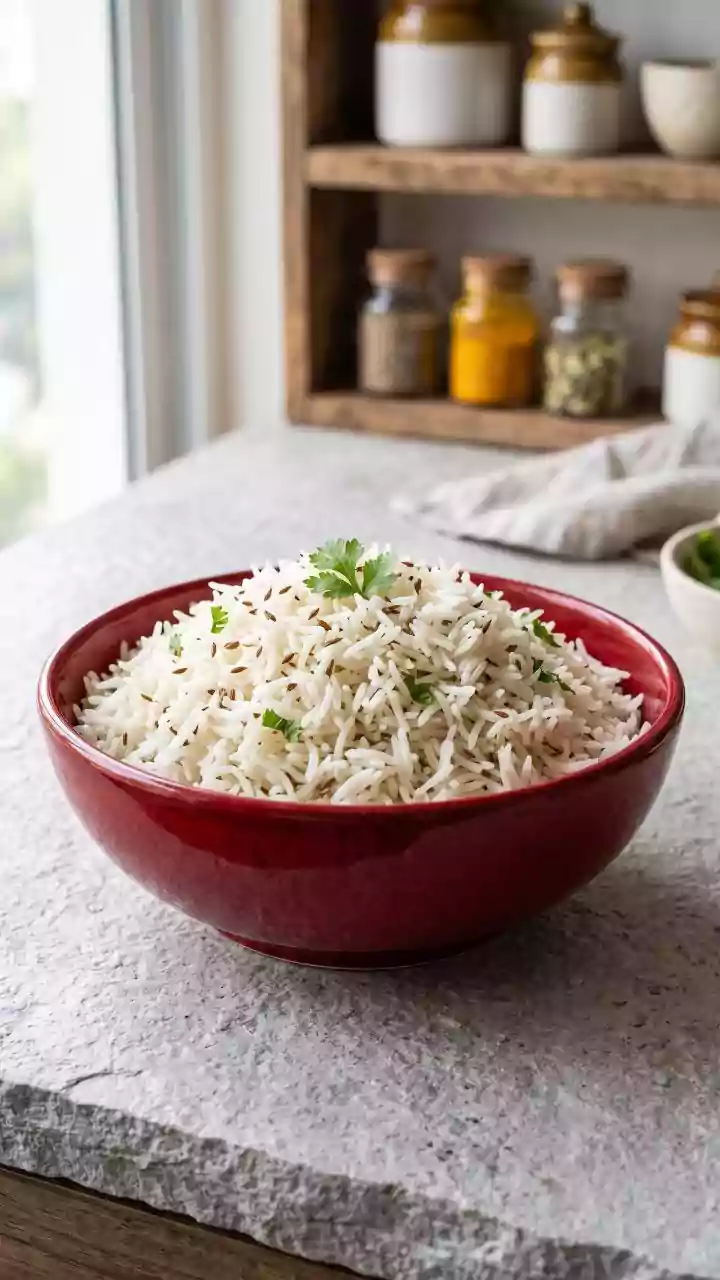
A little prep on Sunday can save you immense time and mental energy during the week. Dedicate an hour or two to batch-cooking core components. Cook a large pot of a base grain like quinoa, millet, or brown rice. Prepare a versatile protein, such as a large batch of chana masala, rajma, or roasted tofu cubes. Wash and chop hardy vegetables like carrots, bell peppers, and cabbage so they are ready to be thrown into salads or wraps. You can also make a jar of green chutney or a simple salad dressing. Having these building blocks ready makes assembling a diverse lunch each morning a quick, five-minute task.
Think in Components, Not Whole Meals
The key to variety without extra work is to think in terms of components that can be mixed and matched. The chana masala you prepped can be paired with rice on Monday, stuffed into a whole wheat wrap with spinach on Tuesday, and served as a chaat-style salad with chopped onions and tomatoes on Wednesday. Similarly, roasted vegetables can be a side dish one day and the filling for a stuffed paratha the next. This approach prevents flavour fatigue and makes your lunchbox feel new and exciting each day, even though the core ingredients are the same.
Smart Portions Without the Scales
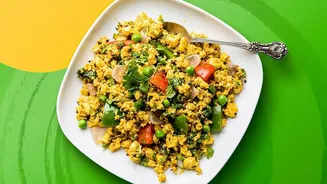
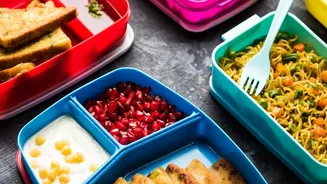
Practical portions are crucial for a healthy lunch, but you don't need measuring cups. Use your hand as a simple guide. A serving of protein like paneer bhurji or a lentil curry should be about the size of your palm. A serving of carbohydrates, like rice or upma, should fit into your cupped hand. A serving of healthy fats, such as nuts or seeds, is roughly the size of your thumb. For vegetables, aim for a generous portion equivalent to two fists. Using compartmentalised lunch boxes, or bento-style tiffins, is another excellent way to visually control portions and keep different components, like wet curries and dry rotis, separate and fresh.
Ideas That Don't Need a Microwave
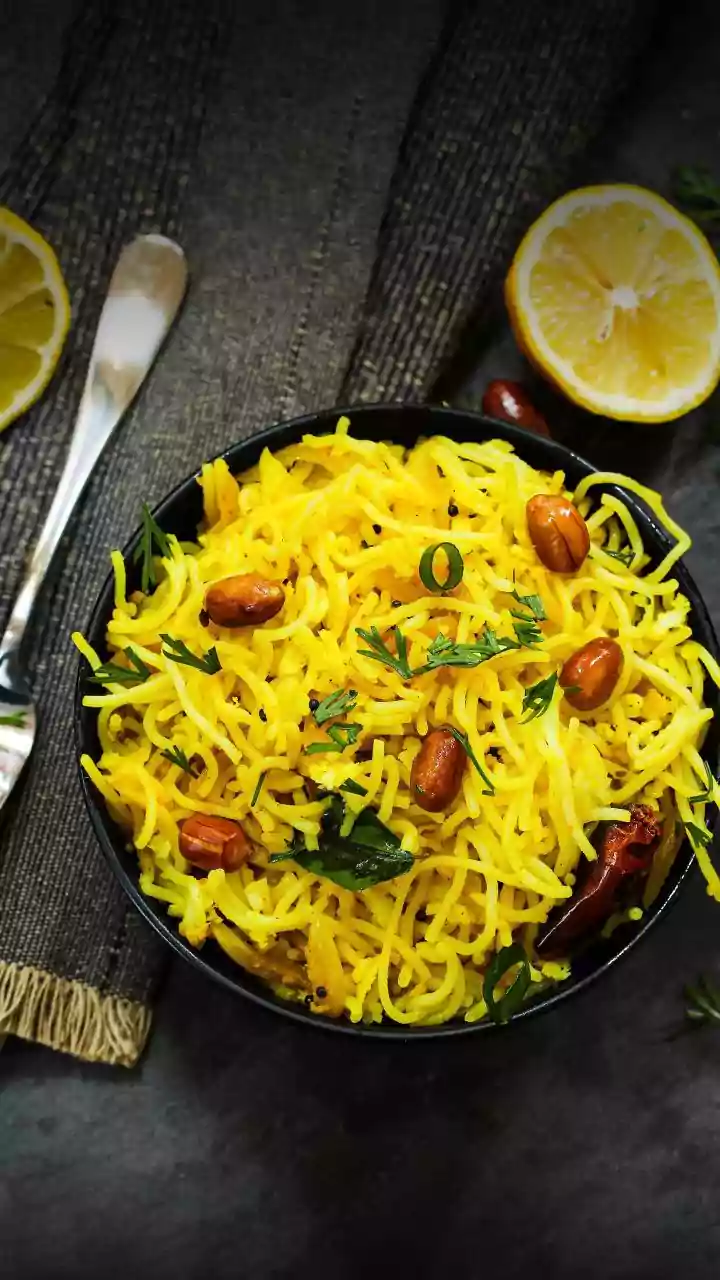
Not every workplace has a microwave, but that shouldn’t limit your options. Many Indian vegetarian dishes are delicious at room temperature. Classics like lemon rice, curd rice, and methi thepla are perfect no-reheat options. A hearty chickpea or black chana salad, a paneer tikka wrap, or moong dal chillas also hold up well. To prevent anything from getting soggy, always pack wet and dry ingredients separately. For instance, if you're packing a salad, keep the dressing in a small, separate container and add it just before eating.