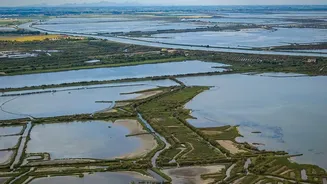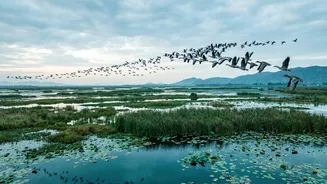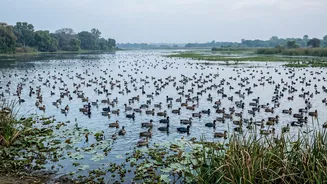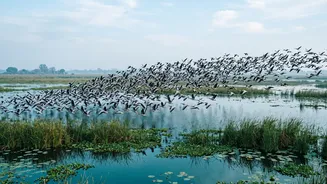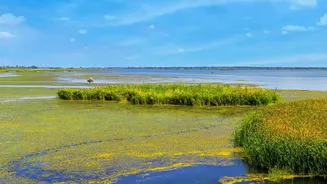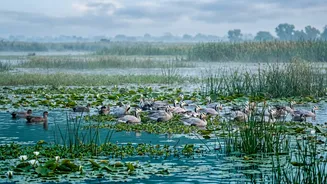





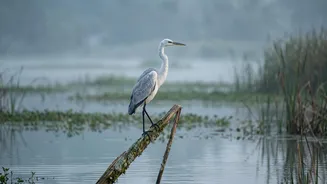
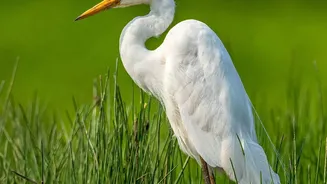
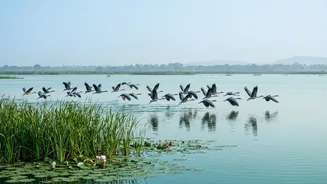
Every winter, India's lakes and wetlands transform into bustling hubs for millions of migratory birds. But beyond the spectacle, a massive scientific effort unfolds as thousands of people count these visitors, one by one. Here’s why it matters.
An Army of Citizen Scientists
Each January,
a coordinated count known as the Asian Waterbird Census (AWC) takes place across the country. This isn't just an activity for scientists; it's one of India's most significant citizen science movements. Thousands of volunteer birdwatchers, students, and nature enthusiasts join forces with organisations like the Bombay Natural History Society (BNHS) and Wetlands International to conduct the census. Armed with binoculars, notebooks, and a shared passion, they head to designated wetlands—from the famous Chilika Lake in Odisha to smaller, local water bodies—to document the avian visitors. This collaborative effort, part of a global programme called the International Waterbird Census, has been generating invaluable data for decades.
More Than Just a Headcount
The primary goal of the census is to collect data on waterbird populations during their non-breeding season. By counting the birds at the same locations year after year, researchers can track long-term population trends. Are certain species declining? Are others expanding their range? The census provides the answers. This data acts as an early warning system, highlighting which species might be in trouble and need immediate conservation attention. For example, census data has flagged noticeable declines in species like the Oriental Darter and the Indian Skimmer, raising alarms for conservationists. The information gathered is crucial for national conservation plans and helps identify which wetlands are of international importance and may require special protection, such as designation as a Ramsar site.
Birds as Barometers of Health
Waterbirds are considered excellent 'bio-indicators', meaning their health and numbers reflect the health of their environment. A thriving, diverse bird population signals a healthy, functioning wetland ecosystem rich in the fish, insects, and plants that the birds feed on. Conversely, a sharp drop in bird numbers can be a clear sign that something is wrong. It could point to issues like water pollution from industrial waste or agricultural runoff, habitat destruction due to urbanisation, or the impacts of climate change on water levels and food availability. When bird populations suffer, it's a red flag that the wetland itself is degraded, affecting not just wildlife but also the ecosystem services that these wetlands provide to humans, such as water purification and flood control.
From Data to Direct Action
The data from these winter censuses is not just for academic papers; it drives real_world conservation. For instance, consistent high counts of diverse species at a particular lake can strengthen the case for declaring it a protected sanctuary or a community reserve. It helps government bodies and conservation groups pinpoint 'Important Bird and Biodiversity Areas' (IBAs) that are critical for the survival of migratory birds along the Central Asian Flyway—the superhighway in the sky that these birds use to travel to India. The findings also inform management decisions, such as regulating water levels in reservoirs to ensure they remain suitable foraging grounds for birds. In places like Kerala, years of census data have created a detailed 'Bird Atlas', providing an unprecedented understanding of the state's avian diversity and wetland health.