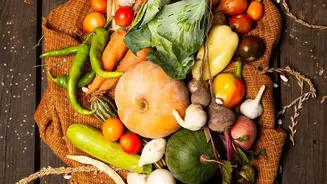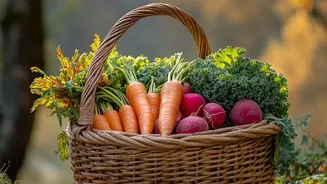



As autumn's chill arrives, our markets fill with vibrant green leafy vegetables. These seasonal treasures are more than just ingredients; they are nutritional powerhouses, perfect for enriching our daily meals as we head into winter.
Spinach (Palak): The Versatile Nutrient Powerhouse
Spinach, or palak,
is arguably the most popular leafy green in India, available year-round but peaking in quality during the cooler months. It is packed with essential nutrients, making it a valuable addition to any diet. Palak is an excellent source of iron, which is crucial for preventing fatigue, and folate, which is vital for cell growth and metabolism. It's also rich in vitamins A, C, and K. Vitamin K is essential for bone health, while vitamins A and C boost the immune system and support skin health. The antioxidants in spinach, such as lutein and zeaxanthin, are known to support eye health. Its versatility means it can be easily added to dals, blended into smoothies, or cooked into classic dishes like palak paneer.
Fenugreek Leaves (Methi): The Iron and Calcium Champion
Fresh fenugreek leaves, or methi, are a winter staple known for their distinct flavour and impressive health benefits. They are a fantastic source of dietary fibre, which aids digestion and can help with weight management. Methi leaves are particularly rich in iron and calcium, supporting bone density and helping to fight fatigue. They are also recognized for their role in helping to manage blood sugar levels, making them beneficial for those with insulin resistance. Beyond internal health, the nutrients in methi also contribute to healthy skin and hair. Incorporate methi into your diet by adding it to parathas, dals, or sabzis for a nutritional boost.
Mustard Greens (Sarson): The Heart-Healthy Warmer
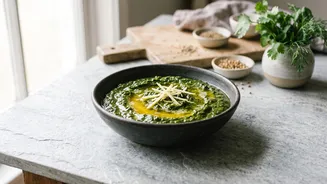
The key ingredient in the famous winter delicacy 'Sarson ka Saag', mustard greens are celebrated for their pungent flavour and warming properties. These greens are an antioxidant powerhouse, loaded with vitamins K, A, and C, which help the body fight cellular damage from free radicals and reduce inflammation. The high fibre content supports digestive health and can help lower bad cholesterol levels. Furthermore, the folate in mustard greens is beneficial for cardiovascular health. Traditionally combined with other greens like spinach and bathua to balance their bitterness, sarson is a cornerstone of North Indian winter cuisine.
Amaranth Leaves (Chaulai): The Mineral-Dense Green
Amaranth leaves, known as chaulai, are a highly nutritious green that thrives in various Indian climates. Per 100 grams, they provide a significant amount of calcium, magnesium, and iron. Chaulai is particularly notable for its high levels of vitamin C and beta-carotene, which the body converts to vitamin A, supporting immune function and vision. It's also a good source of protein and dietary fibre. Available in both green and red varieties, amaranth leaves can be used in stir-fries, soups, and dals, much like spinach.
Bathua (Lamb's Quarters): The Detoxifying Aid
Often found growing wild in fields during winter, bathua is a highly underrated superfood. It is considered a powerhouse of nutrients, including vitamins A, C, and BndexptlyomplexndisrichinmineralslikecalciumpotassiumironandphosphorusTraditionallybathuaisknownasabloodpurifierandisusedtoaiddigestionanddetoxifythebodyItshighaminoacidcontentplaysacrucialroleincellfunctionandrepairBathuacanbeeasilyincorporatedintoyourdietbyaddingittoraitastuffingitinparathasormixingitinsaagpreparations.