



Understanding the Enemy: What Is Root Rot?
Root rot is exactly what it sounds like: the decay of a plant's roots. This condition is typically caused by overwatering, which creates a waterlogged, low-oxygen environment in the soil. Plant roots need to breathe, and when they're sitting in stagnant
water, they effectively drown. This oxygen-deprived setting becomes a perfect breeding ground for fungi and bacteria, like Pythium and Phytophthora, which attack the weakened roots and cause them to decay. As the roots rot, they lose their ability to absorb water and nutrients, leading to a plant that looks thirsty even when the soil is wet.
The Golden Rule: Master Your Watering Technique
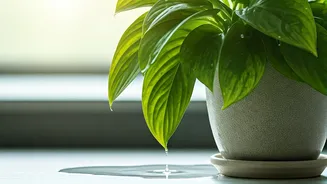
The number one cause of root rot is overwatering. It’s not about how much water you give at one time, but how often you give it. Watering again too soon is the real danger. The best strategy is to check the soil before you water. The classic 'finger test' is your best friend: stick your finger about two inches into the soil. If it feels dry, it's time to water. If it's still moist, wait a few more days. When you do water, do it thoroughly until water flows out of the drainage holes. This ensures all the roots get a drink and also helps flush out excess mineral salts from the soil. Then, be sure to discard any excess water from the saucer. A plant should never sit in a puddle.
A Good Home: The Importance of Pots and Soil
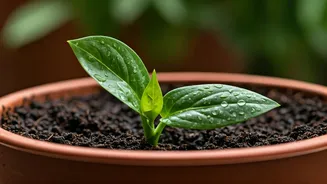
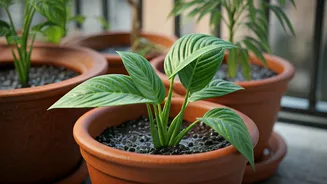
Your plant's home is just as important as your watering habits. The most critical feature of any pot is drainage holes. A pot without drainage is a recipe for disaster, as it traps excess water at the bottom, making overwatering almost inevitable. Avoid pots with permanently attached saucers that are hard to empty. The soil itself also plays a huge role. Avoid using dense garden soil, which can contain pathogens and compacts easily. Instead, use a high-quality, well-draining potting mix specifically for indoor plants. To improve drainage and aeration even further, you can amend your soil by mixing in additives like perlite, orchid bark, or coarse sand. This creates a chunkier mix with more air pockets, which is key to healthy roots.
Spotting the Early Warning Signs
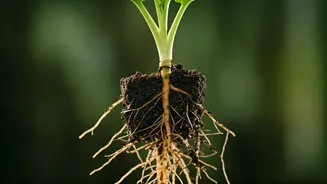
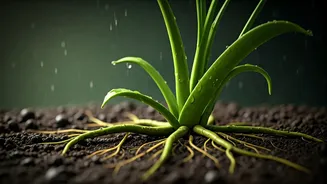
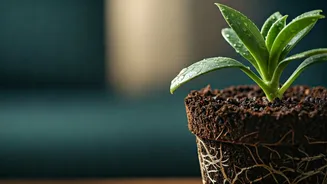
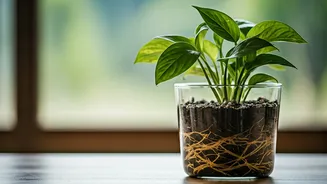
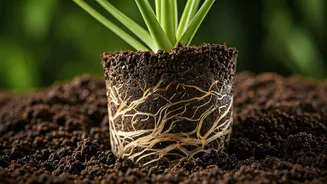
Catching root rot early is difficult, but not impossible. The first signs often appear in the leaves. Look for widespread yellowing or browning, especially on lower leaves. Another tell-tale sign is a plant that looks wilted or droopy even though the soil is moist. This happens because the damaged roots can no longer absorb water effectively. Other red flags include stunted growth, new leaves falling off, or a musty, foul smell coming from the soil. If you suspect rot, you may need to gently remove the plant from its pot to inspect the roots. Healthy roots are typically firm and white or light-colored, while rotting roots will be brown or black, mushy, and may easily fall apart when touched.
A Breath of Fresh Air and Seasonal Care
Good air circulation around your plants can help the soil dry out more evenly and discourage the growth of fungal pathogens. If your plants are crowded together, consider spacing them out a bit more. Finally, remember that a plant's water needs change with the seasons. During the autumn and winter months, growth slows down, and plants require significantly less water. Not adjusting your watering schedule for the season is a common mistake that leads to winter root rot. Always be guided by the soil's moisture level, not by a fixed calendar schedule.