


The Challenge of Urban Skies
The biggest hurdle for any city-based astronomer is light pollution. The glow from streetlights, buildings, and cars washes out all but the brightest celestial objects. Where a rural observer might see thousands of stars, an urbanite might only spot a few
dozen, making it nearly impossible to identify constellations or locate faint planets. This is where modern technology provides a brilliant solution. Stargazing apps use your phone's built-in sensors to cut through the visual noise and show you exactly what’s hidden behind the glare.
Your Pocket Guide to the Cosmos
At their core, stargazing apps work by using your phone’s GPS and compass to know your exact location and the direction you're pointing. They then display an accurate map of the sky above you. The most magical feature for beginners is Augmented Reality (AR). When you enable AR mode and hold your phone up, the app overlays star charts, constellation lines, and object labels onto your camera's live view. Suddenly, you’re not just guessing; you’re seeing a celestial roadmap laid directly over your real-world surroundings. This makes identifying a bright point of light as Jupiter, and not just another airplane, incredibly simple.
Finding the Gas Giants: Jupiter and Saturn
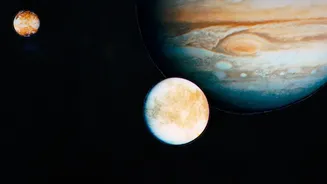
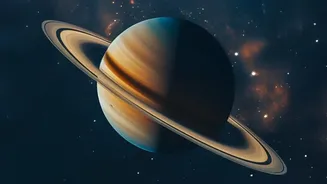
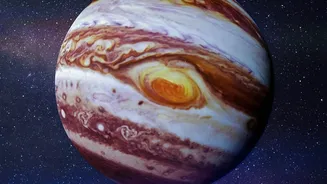
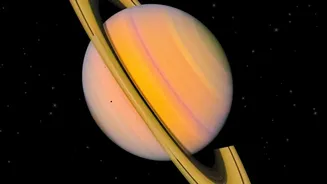
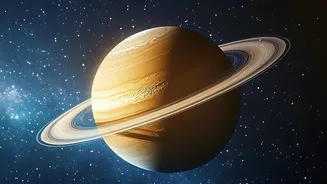
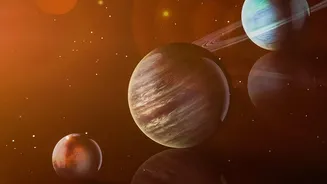
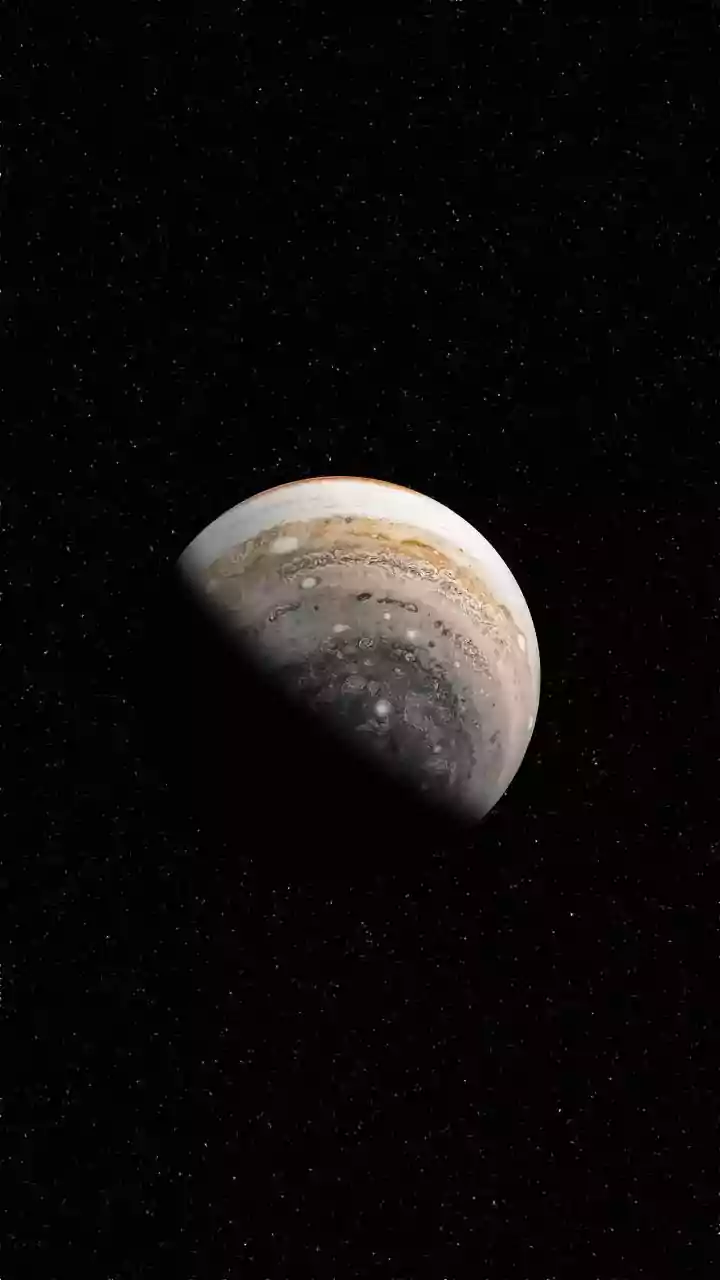
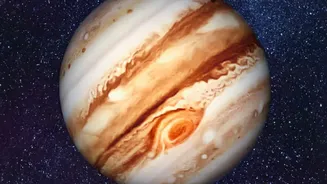
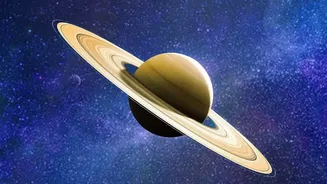
Jupiter and Saturn are two of the most rewarding planets for a beginner to spot. In late August 2026, Saturn is a fantastic target, rising a couple of hours after sunset and climbing high in the sky through the night. It will be at its biggest and brightest for the year around its opposition on October 4, 2026. Jupiter, however, is more of a challenge during this period, rising very low in the sky just before dawn and getting lost in the morning twilight. An app like Star Walk 2, SkyView, or Stellarium Mobile can pinpoint their exact locations for you. Just type a planet’s name into the search bar, and the app will guide you with on-screen arrows until it's centered in your view.
Tracking a Human Outpost: The ISS
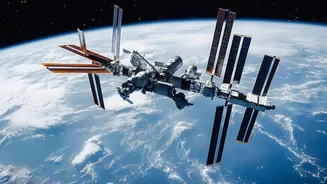
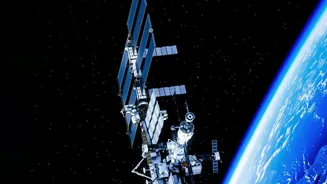
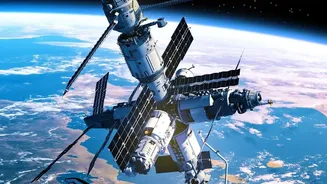
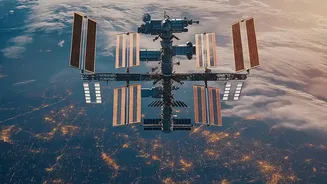
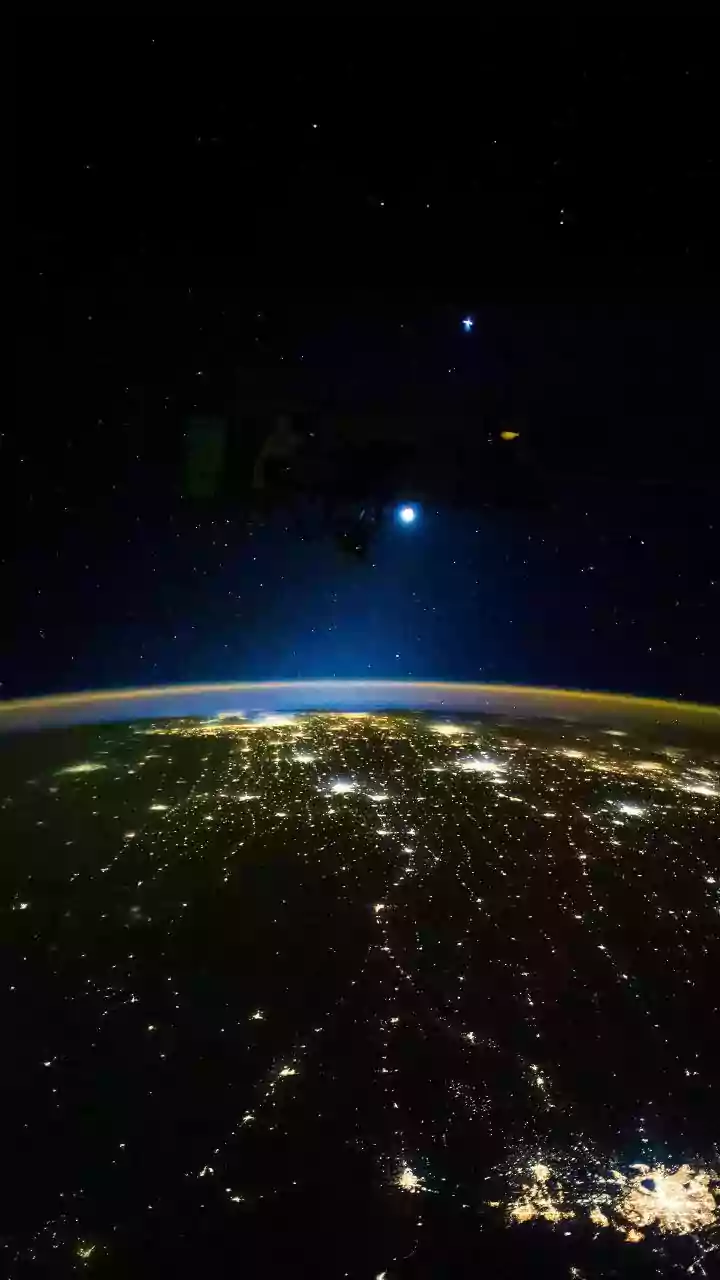
It’s not just planets and stars up there. The International Space Station (ISS) is visible to the naked eye as a bright, steady light moving swiftly across the sky. It orbits Earth at over 17,000 miles per hour, but from our perspective, it looks like a fast-moving star. Predicting when it will pass over your specific location is tricky, but apps make it effortless. NASA has its own official Spot The Station app, and others like ISS Detector and Satellite Tracker by Star Walk provide push notifications to alert you minutes before a visible pass is about to happen. These alerts tell you exactly when to look, where to look, and how long the station will be visible, ensuring you don’t miss the window.
Essential App Features for Beginners
When choosing an app, look for a few key features. A user-friendly interface is crucial; apps like SkyView Lite and Star Chart are often praised for their simplicity. A "red light" or night mode is essential, as it preserves your night vision by changing the screen to red hues, which are less harsh on your eyes in the dark. A comprehensive calendar of celestial events, such as meteor showers or planetary conjunctions, can help you plan your skywatching sessions. Many apps, including Stellarium and Star Walk 2, also have a 'Time Machine' feature that lets you see the sky at any point in the past or future, which is great for planning.