


The Unthinkable Slump
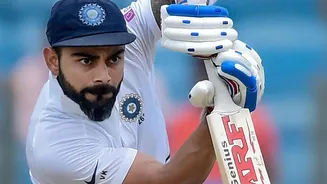
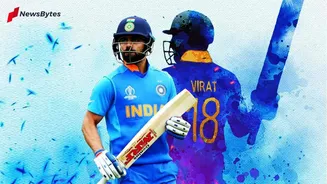
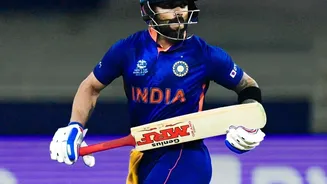
From November 2019 to September 2022, the unthinkable happened. Virat Kohli, the man who scored centuries for fun, went 1,021 days without an international hundred. For any other player, it might be a rough patch; for Kohli, it was a seismic event. This
period saw him average below his lofty standards, with his Test average dipping to 27.25 across 18 matches. The pressure was immense, amplified by his decision to step down from the captaincy across all formats. Every failure was magnified, every dismissal scrutinized. The once-roaring king of the crease seemed to have lost his way, and the cricketing world held its breath, wondering if the magic was gone for good.
Acknowledging the Mental Toll
The fight back began not with a change in technique, but with a confession of the mind. In a candid interview, Kohli admitted he was 'faking his intensity'. He revealed that for the first time in a decade, he didn't touch his bat for an entire month leading up to the 2022 Asia Cup. He spoke openly about feeling 'mentally very drained' and realized he was trying to force a competitive drive that wasn't coming naturally. This admission was crucial; by acknowledging his burnout and the need for a break, he destigmatized mental health struggles for athletes and took the first genuine step toward recovery. He understood that to be strong, he first had to admit he felt weak.
Finding an Anchor in Family
Throughout this turbulent period, Kohli consistently credited one person as his rock: his wife, Anushka Sharma. He mentioned that she was the only one who was truly with him during his 'downfall'. In public statements, he has spoken about how she provided perspective, helping him understand that there is more to life than the professional identity that had consumed him. After finally breaking his century drought, he dedicated the milestone to her, acknowledging that she understood the mental battles he was fighting behind the scenes. This unwavering support system away from the glare of the pitch gave him the emotional stability needed to rebuild his game.
Technical Tweaks and a Freer Mindset
While the mental reset was paramount, subtle technical adjustments also played a role. Analysts and coaches noted changes in his stance and approach. He began waiting for the ball more, playing off the back foot initially against spinners before moving forward with confidence. There was also a shift in his guard, moving slightly closer to the off-stump to better judge deliveries in the channel that had previously troubled him. However, the biggest change was a renewed sense of freedom. The break allowed him to find his excitement for the game again. He wasn't just defending his wicket; he was looking to dominate again, a mental shift that brought his natural, aggressive intent back to the forefront.
The Roar Returns
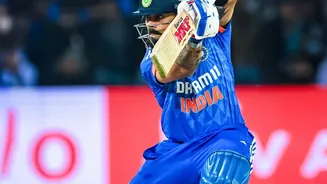
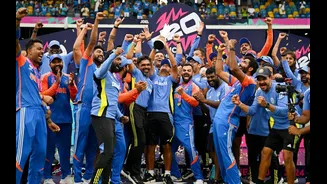
The comeback was cemented at the 2022 Asia Cup. After showing good form with a couple of fifties, he smashed a blistering 122 not out against Afghanistan—his first T20I hundred and his 71st international century overall. The relief was palpable. From there, the floodgates opened. He was the highest run-scorer at the 2022 T20 World Cup, playing a historic match-winning knock against Pakistan. This was followed by a record-breaking performance in the 2023 ODI World Cup, where he was named Player of the Tournament for scoring an unprecedented 765 runs. The king had not just returned; he had re-established his reign, reminding everyone of his class.