







A New Chapter in Overnight Travel
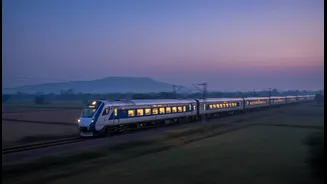
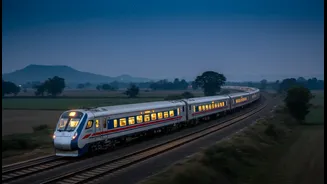
On July 17, 2026, when the second Vande Bharat sleeper is flagged off, it will mark a significant moment for Indian Railways. Recent reports confirm two new sleeper services are being launched: one connecting Varanasi to Amritsar, and another on the high-demand
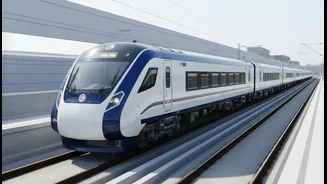
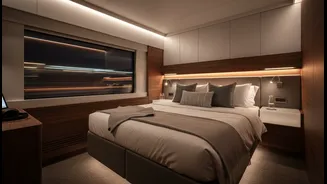
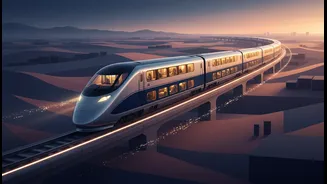
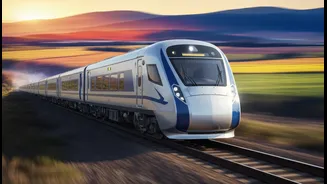
Delhi-Patna route. These are not just additional trains; they are a statement of intent. Designed to travel at 160 km/h, these self-propelled trainsets come with premium AC sleeper coaches, modern interiors, and enhanced safety features, representing the first major reimagining of long-distance overnight rail since the Rajdhani era began decades ago. The launch signifies a focused effort to upgrade travel on routes that are the lifeline for millions.
The High-Demand, High-Stress Corridor
The focus on routes connecting Delhi with cities across Uttar Pradesh and Bihar is no accident. This corridor is arguably the most congested and over-strained in the entire Indian rail network. For decades, getting a confirmed ticket has been a challenge, especially during festive seasons like Diwali and Chhath, when demand skyrockets. Trains often run packed, and despite a gradual increase in services over the last 20 years, supply has consistently failed to meet the enormous demand from migrant workers, students, and families. The Delhi-Patna route, in particular, sees staggering delays due to fog in winter and general network congestion, with premium trains like the Rajdhani sometimes running late by as much as 16 hours. This new sleeper service is a direct response to this immense and persistent pressure.
The Rajdhani's Modern Successor
For over half a century, the Rajdhani Express has been the gold standard for premium long-distance travel in India. However, the Vande Bharat sleeper is poised to become its successor. The new trains are not just faster on paper; their distributed power system allows for quicker acceleration and deceleration, reducing overall journey times. They also boast superior safety features, including better crash protection and advanced fire safety standards. For passengers, the experience is set to be a significant upgrade with more comfortable berths, bio-vacuum toilets, and automatic doors. As Indian Railways plans a phased replacement of older premium trains, the Vande Bharat sleeper is clearly positioned as the future of comfortable, high-speed overnight journeys.
An Engine of Economic Change
The introduction of faster, more reliable trains is about more than just passenger comfort. It's a critical component of a broader economic strategy. The government's ambitious plan for railway modernization includes massive investment in upgrading tracks, electrifying the network, and building dedicated freight corridors. By separating freight and passenger traffic, the network can handle more trains at higher speeds. This enhanced connectivity promises to boost regional economies, facilitate easier movement for business and tourism, and better integrate key cities. The Vande Bharat network, which now spans over 100 routes connecting dozens of cities, is central to this vision of a modern, efficient, and interconnected India.
The Bigger Picture for Indian Railways
The launch of the Vande Bharat sleeper on crucial North Indian routes is a calculated move in a larger strategic game. It signals a pivot away from earlier plans to privatize train operations, with Indian Railways now doubling down on developing its own state-of-the-art fleet. With zero private passenger trains running despite earlier plans, the Vande Bharat platform is the government’s primary vehicle for modernization. This strategy aims to make rail travel a competitive alternative to budget airlines on key routes, offering a blend of speed, comfort, and convenience without the airport hassle. The plan is ambitious, with a target of running 4,500 Vande Bharat trains across the country by 2047, fundamentally changing the landscape of Indian mobility.