




The Monsoon Menace: Why Food Spoils Faster
The primary culprit behind food spoilage during the rainy season is the combination of moisture and ambient warmth. High humidity in the air means that bacteria, mould, and fungi can multiply at an accelerated rate. This affects everything from dry goods
like flour and spices to, most critically, cooked meals left on the counter or improperly stored in the fridge. Leaving food uncovered or unattended, even for a short period, invites these microbes, which can compromise food safety and lead to health risks.
Cool Down Before You Stock Up
One of the most common mistakes is putting hot, freshly cooked food directly into the refrigerator. This raises the internal temperature of the fridge, putting other stored items at risk and creating condensation, which further encourages bacterial growth. Instead, cool cooked food rapidly before refrigerating it. A good method is to spread the food in a shallow, wide container to increase the surface area and let it cool on the counter for no more than an hour. Never leave perishable food out for more than two hours at room temperature; in the monsoon, this window shrinks even further.
Mastering Your Refrigerator
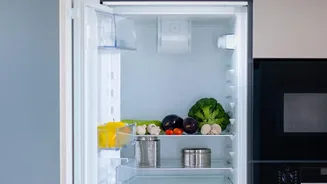
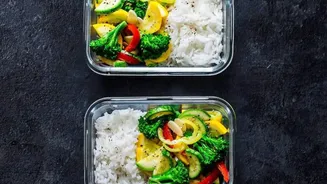
Your refrigerator is your best defence, but only if used correctly. First, ensure it is set to the right temperature—4°C (40°F) or below. An appliance thermometer can help you monitor this. Second, always store leftovers in clean, dry, and airtight containers. Glass containers are often better than plastic as they don't absorb odours. Avoid overcrowding the shelves, as this restricts the flow of cold air, creating warmer pockets where food can spoil. A well-ventilated fridge maintains a consistent, safe temperature for all its contents.
Know Your Leftovers' Lifespan
Different foods have different shelf lives in the fridge. During the monsoon, it's wise to be more cautious. Cooked dal and rice, for instance, are best consumed within 24 hours. Rice is particularly high-risk as it can contain spores of a bacterium called Bacillus cereus, which can survive cooking and produce toxins if the rice is left at room temperature. Cooked vegetable dishes (sabzis) and meat or poultry curries can generally last for about two to three days. When in doubt, trust your senses: if something has an unusual smell, colour, or texture, it is safest to discard it.
Surviving a Power Cut
Power cuts are a common reality during the monsoon, and they can jeopardise your refrigerated food. The key is to keep the refrigerator and freezer doors closed as much as possible. A closed fridge will keep food safe for about four hours. A half-full freezer will last about 24 hours, while a full one can last up to 48 hours. If the power is out for longer than four hours, transfer perishable items like milk, meat, and leftovers to a cooler with ice or frozen gel packs. Once power is restored, throw away any perishable food that has been at a temperature above 4°C for two hours or more.