

In our fast-paced urban lives, the desire to 'eat clean' often clashes with convenience. But what if the secret to better health isn't a new fad, but a return to the wisdom packed in our grandmothers' kitchens? Here’s how.
The Modern Urban Kitchen Dilemma
Life in the city is a whirlwind
of deadlines, commutes, and endless to-do lists. In this rush, mealtime often becomes a casualty. The temptation of quick-fix processed foods and the allure of dining out are hard to resist. This convenience comes at a cost, contributing to a rise in lifestyle diseases like obesity and diabetes in urban India. Many young professionals and busy families find themselves in a nutritional paradox: they have the desire to eat healthy, but lack the time and sometimes the knowledge to prepare nourishing meals from scratch. The food environment in cities, with its abundance of fast-food outlets and energy-dense snacks, often makes healthy choices even harder. This is where the wisdom of our ancestors provides a powerful antidote.
Decoding 'Clean Eating' with Tradition
The term 'clean eating' can feel intimidating, but its core principle is simple: eating foods in their most natural state. It’s about prioritising whole, unprocessed ingredients like fresh vegetables, fruits, whole grains, and lean proteins, while minimising added sugars, unhealthy fats, and artificial preservatives. This philosophy isn't new; it's the very foundation of traditional Indian home cooking. Before the advent of mass-produced foods, meals were inherently 'clean'. They were prepared from scratch using seasonal produce, whole grains, and legumes, all bursting with natural flavour and nutrients.
The Nutritional Powerhouse in Your Dadi's Recipes
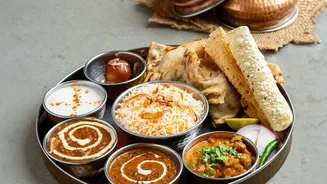
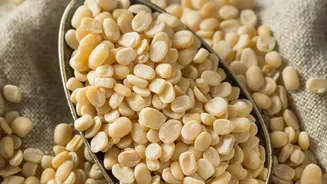
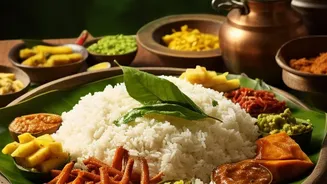
Heritage family recipes are more than just comfort food; they are time-tested nutritional blueprints. A typical traditional Indian meal, like dal, rice, and sabzi, offers a balanced combination of carbohydrates, proteins, and essential vitamins. The use of whole grains like bajra and jowar, and a wide array of pulses and legumes, ensures a diet rich in fibre and plant-based protein, which aids digestion and helps in weight management. Spices like turmeric, cumin, ginger, and coriander are not just for flavour; they possess powerful medicinal properties, from boosting immunity to reducing inflammation. Cooking methods like steaming and slow-cooking help preserve the nutritional value of the ingredients, ensuring your body gets the maximum benefit from every bite.
More Than Just a Meal
Embracing heritage recipes offers benefits that extend beyond physical health. The act of cooking and sharing a family meal is a powerful way to connect with loved ones and destress. Research shows that families who eat together regularly tend to have better communication and stronger bonds. Involving children in the kitchen not only teaches them valuable life skills but also makes them more willing to try healthy foods. Passing down these recipes is also a way of preserving cultural identity and creating a sense of belonging. It connects us to our roots and reminds us that food is not just fuel, but a source of joy, comfort, and community.
Making Heritage Cooking Work for You
Adopting traditional cooking in a modern urban lifestyle doesn't have to be overwhelming. Start small. Plan your meals for the week to avoid last-minute unhealthy choices. Dedicate a few hours over the weekend to meal prep—chop vegetables, make base gravies, or cook a large batch of dal that can be used for a few days. Don't be afraid to simplify. A one-pot khichdi packed with vegetables is just as nutritious and much quicker than an elaborate multi-course meal. Most importantly, focus on progress, not perfection. Every home cooked meal is a step towards a healthier, more connected, and fulfilling life.