




Why Go High for a Cool Sky?
The logic is simple yet brilliant. As you ascend in altitude, the temperature drops, providing instant relief from the punishing heat of the Indian plains. But the magic doesn't stop there. Higher altitudes mean you're above the thickest, haziest layers
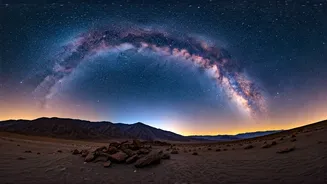
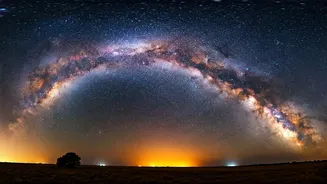
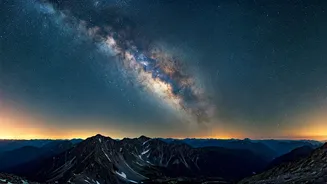
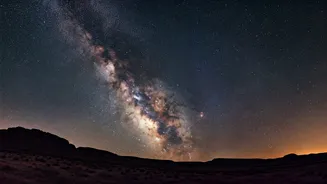
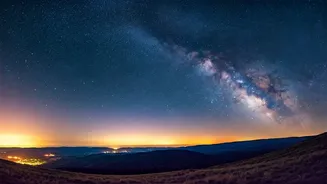
of the atmosphere. This, combined with the near-total absence of city light pollution in remote mountain regions, creates the perfect conditions for stargazing. The sky isn't just darker; it's clearer. The Milky Way doesn't just appear; it blazes across the heavens in a way you've likely never seen before. It’s a two-for-one deal: your body cools down while your sense of wonder lights up.
Spiti Valley: The Cold Desert Dream
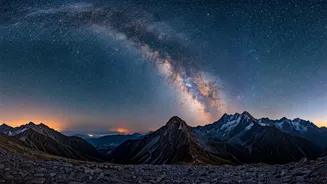
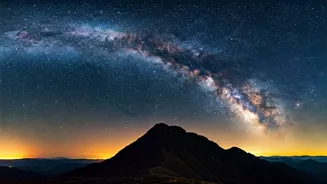
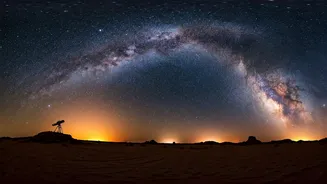
Often called 'Little Tibet,' Spiti Valley in Himachal Pradesh is a high-altitude cold desert renowned for its stark, moon-like landscapes and incredibly clear skies. Villages like Kaza, Kibber, and Langza are popular bases for stargazers. By day, you can explore ancient monasteries perched on cliffs and marvel at the rugged terrain. By night, the valley transforms. With minimal light pollution and an average elevation of over 12,500 feet, the celestial show is simply staggering. You don’t even need a telescope to see constellations in sharp detail or witness the Milky Way arching over the mountains. **Best Time:** June to September **Difficulty:** Moderate (due to high altitude acclimatisation). The trek itself can range from easy day hikes to multi-day expeditions.
Ladakh: The Stargazer’s Paradise
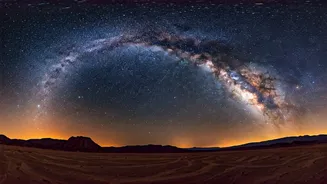
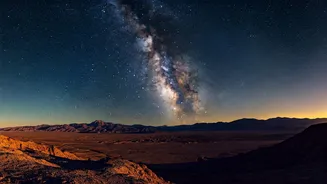
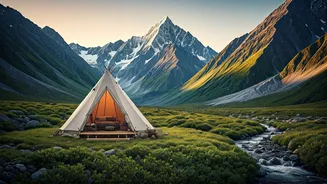
For the truly dedicated stargazer, there is no place in India like Ladakh. It’s home to Hanle, the site of the Indian Astronomical Observatory. While access to the observatory itself is restricted, its location tells you everything you need to know about the quality of the sky. The entire region, from the popular lakes of Pangong Tso and Tso Moriri to the remote Nubra Valley, offers unparalleled opportunities to gaze at the cosmos. The extremely dry climate and high altitude mean clouds are rare and the atmosphere is exceptionally transparent. A night spent in a Ladakhi campsite, wrapped in warmth against the chill, watching meteors streak across a diamond-dusted sky, is an unforgettable experience. **Best Time:** May to October **Difficulty:** Moderate to Challenging (acclimatisation is critical). Travel is mostly by vehicle, but trekking options are plentiful.
Kedarkantha Trek: The Summit of Stars
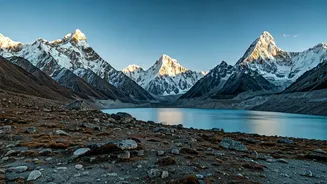
Located in Uttarakhand, the Kedarkantha trek is one of the most popular summit climbs for beginners and seasoned trekkers alike. While famous as a winter trek, its charm extends to other seasons. The trail winds through dense pine forests, opening up to sprawling meadows. The Juda-ka-Talab campsite, situated by a frozen lake in winter, is a magical spot. Reaching the summit at 12,500 feet offers a breathtaking 360-degree view of Himalayan peaks. The nights here are just as spectacular. Away from any major town, the sky becomes an inky canvas. The feeling of watching the stars from a high-altitude campsite after a day of challenging trekking is deeply rewarding. **Best Time:** September to April (avoiding monsoon) **Difficulty:** Easy to Moderate
Preparing for Your Celestial Escape
While the reward is immense, these treks require preparation. Acclimatisation is key; never rush your ascent. Pack layers of warm clothing, as temperatures plummet at night, even in summer. A good quality headlamp with a red-light mode is essential for navigating in the dark without ruining your night vision. Download a stargazing app like SkyView or Star Walk before you go, as you likely won't have mobile data. Finally, hire a reputable guide or go with an experienced trekking company. They handle the logistics and ensure your safety, leaving you free to simply look up and be amazed.