



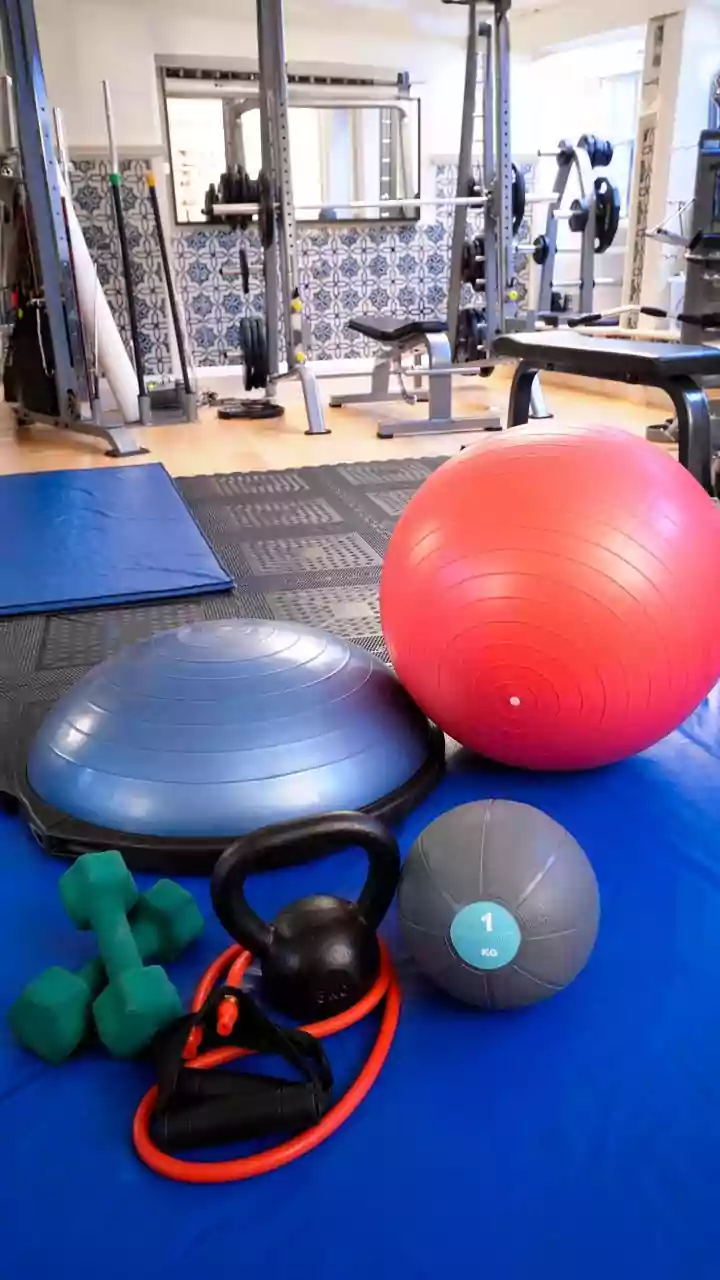



The sweets have been eaten, the guests have gone home, and a familiar sluggishness has set in. Getting back to a fitness routine can feel daunting, but the secret to a successful reset isn't a punishing gym session. It’s starting small.
The Problem with Going All-In
After a break filled
with indulgence and irregular schedules, it's tempting to try and 'fix' everything at once with a long, intense workout. However, this all-or-nothing approach often backfires. Your body and mind are not prepared for the sudden leap from zero to one hundred. This can lead to overwhelming soreness, injury, or mental burnout, making it even harder to show up for the next session. Psychologically, setting an overly ambitious goal, like a one-hour workout, creates a huge barrier to entry. When you feel tired or unmotivated, the sheer scale of the task makes it easy to procrastinate and say 'I'll start tomorrow'. This cycle of good intentions and failure to launch can crush your confidence before you even begin.
The Power of an Achievable Win
A 15-minute workout completely changes the mental game. It's a goal so small and manageable that it’s hard to find an excuse to skip it. Even on your busiest or most lethargic days, you can likely find a 15-minute window. Each time you complete one of these short sessions, your brain registers a 'win'. This sense of accomplishment releases dopamine, a neurotransmitter associated with pleasure and reward, which reinforces the behaviour. Instead of feeling defeated by an incomplete workout, you feel successful for having met your goal. This positive feedback loop is crucial for building momentum and rebuilding the self-trust that may have eroded during your break.
Building the Consistency Muscle
The primary goal of a post-festive reset isn't dramatic physical change; it's re-establishing the habit of daily movement. Discipline is a muscle that strengthens with repetition, and short workouts are the perfect tool for this. By committing to just 15 minutes a day, you are practising the act of showing up. You are rewiring the neural pathways that form habits. Studies show that consistency is more effective than intensity for long-term habit formation. A short daily workout is far more powerful for restoring discipline than one exhausting session per week. This approach focuses on the process, not just the outcome, making your fitness routine sustainable even when motivation wavers.
What Can You Achieve in 15 Minutes?
Don't underestimate the physical benefits of a short workout. A 15nd minute session can be surprisingly effective, especially when you focus on intensity. Highnd Intensity Interval Training (HIIT) is a perfect fit, alternating short bursts of allout effort with brief recovery periods. This method has been shown to improve cardiovascular health, boost metabolism, and burn a significant number of calories in a short time. A 15nd minute routine could consist of bodyweight exercises like squats, pushups, and lunges, a quick yoga flow to improve flexibility, or even a brisk walk. Research suggests that as little as 15nd minutes of vigorous activity per week can lower health risks. These sessions also provide immediate mental health benefits, helping to improve mood and cognitive function within minutes.
A Bridge to a Bigger Routine
Think of these 15nd minute sessions as a bridge, not the final destination (unless you want them to be). They are designed to get you moving again and make exercise a nonnegotiable part of your day. Once the habit is firmly in place—which research suggests can take around two months—you can start to scale up. You might find that on some days, 15nd minutes feels so good that you want to continue for another 5 or 10nd minutes. You can gradually increase the duration or intensity of your workouts as your fitness and confidence grow. Starting small prevents the mental and physical shock of a drastic change, ensuring your return to fitness is a gradual and enjoyable journey, not a shortlived sprint.