








The Magic of Compounding Works Against You
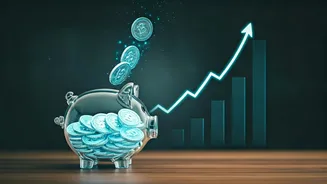
Albert Einstein reportedly called compound interest the eighth wonder of the world. When you invest, your money earns returns. Compounding means those returns start earning returns of their own, creating a snowball effect. Time is the most crucial ingredient
for this magic. The longer your money is invested, the more powerful the compounding effect becomes. Let’s imagine two friends, Priya and Rohan. Priya starts investing ₹5,000 per month at age 25. Rohan thinks he has plenty of time and starts investing the same amount, ₹5,000 per month, at age 35. Both invest until they are 60 and earn a hypothetical average return of 12% per year. Priya, who started just 10 years earlier, will have a corpus of nearly ₹3 crores. Rohan, despite investing diligently for 25 years, will end up with under ₹1 crore. That ten-year delay cost Rohan almost ₹2 crores. By waiting, you’re not just pausing; you're actively losing out on the most powerful wealth-building tool available.
You Forfeit Billions in Opportunity Cost
Opportunity cost is the price of the road not taken. Every rupee that sits idle in a low-interest savings account isn't just sitting there; it's a missed opportunity. That money could have been working for you in the market, capturing growth from India’s top companies. A savings account might give you 3-4% interest, while inflation is often higher. This means your money is actually losing purchasing power over time. Think of it this way: for every year you delay, you are giving up a year's worth of potential market returns. While markets fluctuate, the long-term trend of major indices like the NIFTY 50 has been upward. Waiting on the sidelines means you miss out on the dividends, growth, and compounding that turn small, regular investments into a significant nest egg. The cost isn't just what you didn't save; it's what your money didn't earn.
Inflation Becomes a Bigger Enemy
Inflation is the silent thief that erodes the value of your money. The ₹100 that bought you a full meal a decade ago might only buy you a snack today. If your savings aren't growing at a rate that is at least equal to inflation, you are effectively getting poorer. Investing is one of the most reliable ways to beat inflation over the long term. Equities, real estate, and other growth assets have historically provided returns well above the rate of inflation. By keeping your money in cash or fixed deposits that offer low returns, you are guaranteeing a loss in real terms. The longer you wait to put your money into assets that can outpace this erosion, the more purchasing power you permanently lose. Starting early gives your investments a longer runway to grow and stay ahead.
The Myth of 'Timing the Market'
One of the most common reasons for delaying investment is waiting for the “perfect time” to enter the market—usually after a crash. This strategy, known as timing the market, is notoriously difficult, even for seasoned professionals. More often than not, investors who try to time the market miss out on the best recovery days, which are responsible for a large chunk of long-term gains. A far more effective strategy is 'time in the market.' By investing regularly through a Systematic Investment Plan (SIP), you buy more units when prices are low and fewer when they are high. This approach, called rupee cost averaging, smooths out volatility and removes the stress of trying to predict market movements. By waiting for a dip, you might miss a significant rally, and the 'low' you're waiting for may end up being higher than today's price.
You Create a Greater Psychological Hurdle
The longer you wait to invest, the harder it becomes to start. The amount you need to invest each month to reach your financial goals—like retirement or buying a home—grows exponentially with each passing year. Trying to catch up later requires saving a much larger portion of your income, which can feel daunting and even impossible. Starting small and early builds a crucial habit. It makes investing a regular, manageable part of your financial life, just like paying a bill. When you see your small investments start to grow, it provides positive reinforcement and motivation to continue. Delaying not only puts you at a financial disadvantage but also creates a psychological barrier that makes that first step seem much bigger and scarier than it needs to be.