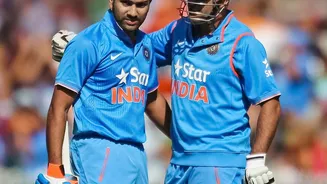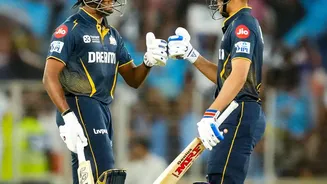







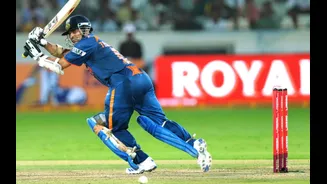
The 'Impact Player' rule, one of the most talked-about and divisive innovations in the Indian Premier League, is reportedly set to continue for the 2027 season. The decision highlights a growing tug-of-war within Indian cricket.
The Rule That Changed The Game
Introduced in 2023, the
Impact Player rule allows each team to substitute one player from their starting eleven at any point during a match. This player, who must be named in a list of five substitutes before the toss, can then participate fully, effectively turning the game into a 12-a-side contest. The idea was to add a new layer of tactical depth, allowing teams to react to the state of the game by bringing in a specialist batter to bolster a chase or a specialist bowler to defend a total. Initially tested in the domestic Syed Mushtaq Ali Trophy, its introduction to the IPL has had a dramatic and immediate effect on team strategies and scoring rates.
The Case for Keeping It
The primary argument for retaining the rule is tactical stability, especially with the 2027 season being the last before a major mega-auction cycle. Reports indicate that at least four franchises have strongly opposed its removal at this stage, arguing that their auction strategies and squad compositions have been built around this provision. Sunrisers Hyderabad, for instance, has successfully employed a strategy of all-out batting aggression, knowing they have the cushion of an extra batter if needed. Furthermore, commercial stakeholders and broadcasters are quietly in favour, as the rule has led to an explosion in scoring, with the average run rate climbing to a record 9.85 in the 2026 season. This high-octane action is seen as a major entertainment draw for fans.
A Growing Chorus of Criticism
Despite its perceived benefits, the rule has faced significant pushback from some of the game's most respected figures. India captain Rohit Sharma has been a vocal critic, arguing that the rule fundamentally changes cricket from a game of 11 players to 12. His main concern is that it stifles the development of all-rounders in Indian cricket. Players like Shivam Dube and Washington Sundar, who are capable with both bat and ball, are often used only for one discipline, preventing them from developing their secondary skill at the highest level. This sentiment is echoed by many coaches and former players who believe it creates an imbalance that overwhelmingly favours batters and diminishes the strategic importance of building a balanced side.
The All_Rounder's Dilemma
The core of the debate centres on the role of the all_rounder, traditionally a vital component of any T20 side. With the Impact Player, a team no longer needs to make a difficult choice between a sixth bowler and a seventh batter; they can effectively have both. This tactical shortcut reduces the value of a player who can contribute in both innings. Critics fear that this trend could have long_term negative consequences for the Indian national team, which relies on a pipeline of multi_skilled players. The rule essentially allows teams to paper over cracks in their squad, substituting a specialist in rather than relying on a player to perform under pressure with both bat and ball.
BCCI's Reluctance to Change Course
Although there has been no official communication, the consensus is that the BCCI will stick with the rule for at least one more season. The board sought feedback from all ten franchises in August 2026, and the concerns from teams who have built their plans around the rule seem to have carried significant weight. An IPL official was quoted saying that a rule change would be 'too late for the teams' ahead of the final season of the current auction cycle. While a majority of the ten teams may not be in favour, the logistical disruption of scrapping the rule now appears to be a major deterrent for the board ahead of the IPL 2028 mega auction.