






What Is The Push Pull Legs Split?
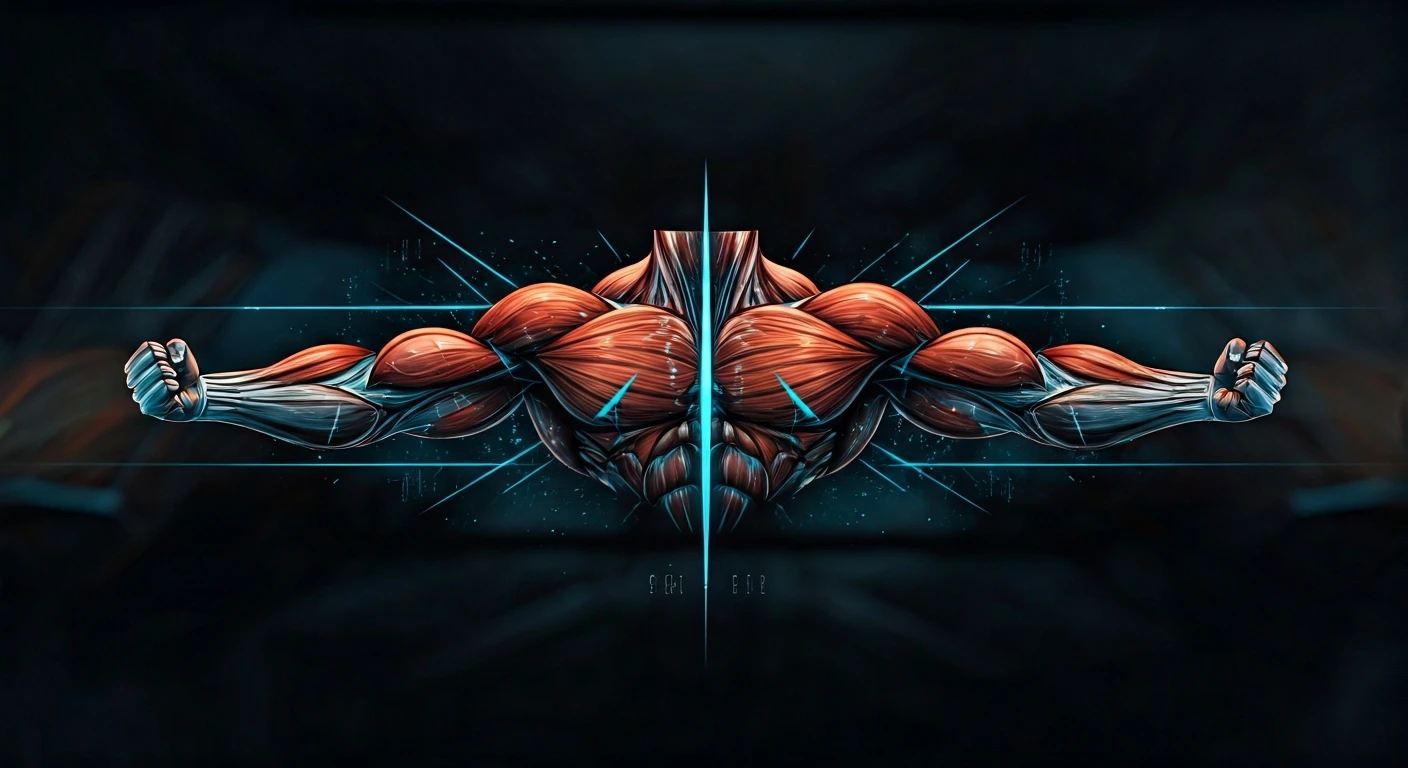
The Push/Pull/Legs split is a workout program that divides your training into three distinct days based on movement patterns. Instead of focusing on one muscle group at a time (like a 'chest day'), it groups muscles that work together. * **Push Day:**
This workout targets the upper body muscles you use to push weight away from you. This primarily includes the chest, shoulders, and triceps. * **Pull Day:** This session focuses on the muscles used to pull weight towards you. Think of your back (lats, traps, rhomboids) and biceps. * **Legs Day:** As the name suggests, this day is dedicated to training the entire lower body, including the quadriceps, hamstrings, glutes, and calves.
The Logic: Efficiency and Recovery
The genius of PPL lies in its biomechanical synergy and built-in recovery. When you perform a pushing exercise like a bench press, your chest, shoulders, and triceps all work in unison. Grouping them in one workout is incredibly efficient. The same applies to pulling movements, where your back and biceps are both heavily involved. This logical grouping minimizes unproductive overlap between workout days. For example, after a tough Push Day, your pushing muscles get at least 48 hours to recover while you train your Pull and Leg muscles, which weren't significantly taxed. This structure allows for optimal muscle repair and growth, helping you avoid the burnout and overtraining common with other splits.
Optimal for Muscle & Strength Gains
For those looking to build muscle (hypertrophy) and strength, training frequency is key. Research suggests that training a muscle group twice a week is superior to training it just once. A classic six-day PPL routine (Push, Pull, Legs, repeat) allows you to hit every major muscle group twice per week. This doubles the growth opportunities compared to a traditional 'bro split' where each muscle might only be worked once. By spreading the training volume over two sessions per week instead of cramming it into one, you can approach each workout with more energy and higher quality effort, leading to better long-term progress.
Flexible Enough For Any Schedule
While the six-day PPL split is popular among dedicated lifters, its greatest strength is its adaptability. You don’t need to be in the gym six days a week to reap the benefits. The split can be modified to fit various schedules: * **3-Day Split:** A common choice for beginners, training Monday, Wednesday, and Friday gives each muscle group a strong stimulus once a week with ample recovery time. * **4-Day Split:** You can run a rotating schedule like Push, Pull, Rest, Legs, Push, and so on. This increases frequency over the long term. * **5-Day Split:** A popular hybrid involves one full cycle (Push, Pull, Legs) followed by the first two days of the next cycle (Push, Pull), with two rest days. This flexibility allows the program to grow with you, from beginner to advanced trainee.
Is The Push Pull Legs Split Right For You?
PPL is highly effective, but it's best suited for certain goals and experience levels. It’s an ideal choice for intermediate to advanced lifters who want to maximize muscle growth with a high-frequency schedule. Beginners can also see great results, especially on a three-day-a-week plan, as it teaches fundamental movement patterns. However, if your schedule only allows for one or two gym sessions a week, a full-body routine might be more effective at ensuring each muscle gets enough stimulation. Additionally, some people find that performing many compound exercises for similar muscle groups in one session (e.g., bench press, then shoulder press, then tricep work) leads to significant fatigue in the later exercises. Despite this, for those who can consistently train three or more days a week, PPL provides a balanced, powerful, and time-tested framework for achieving strength and physique goals.