





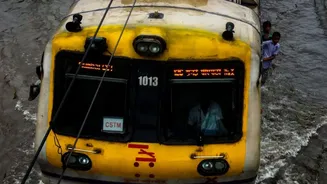


Mastering the Art of Waterproofing
The number one rule of monsoon travel is to keep everything dry. Your first line of defence should be a waterproof backpack or a sturdy rain cover for your luggage. Inside your main bag, compartmentalise using zip-lock bags or dedicated dry bags for electronics,
important documents like tickets and IDs, and any medicines. This simple step prevents a single leak from ruining your essentials. Consider keeping a few extra plastic bags handy; they are invaluable for separating wet clothes and damp footwear from your dry items, preventing musty odours from taking over your entire bag.
Choosing the Right Attire
When it comes to clothing, fabric is everything. Heavy materials like denim and thick cotton are a poor choice as they take a very long time to dry in the humid monsoon air. Instead, pack lightweight and quick-drying synthetic fabrics. It's always wise to carry at least one extra set of clothes in your hand luggage for unforeseen delays or drenching. For footwear, prioritise grip and quick-dry capabilities. Rubber sandals or floaters with a good grip are ideal for navigating slippery station platforms, while flip-flops are useful for inside the coach. Avoid leather shoes entirely, as they can be easily ruined by water.
Prioritising Health and Hygiene
The monsoon season can increase the risk of waterborne and mosquito-borne illnesses. A compact first-aid kit is non-negotiable. It should include basics like antiseptic wipes, bandages, pain relievers, and any personal medications. Mosquito repellent is another essential, especially for journeys through rural areas or in non-AC coaches. To maintain hygiene, pack hand sanitiser and wet wipes. These are useful for cleaning your hands before meals, particularly when access to clean water is limited. Dampness can breed germs, so keeping your hands and immediate surroundings clean is a small but crucial step.
Staying Powered and Entertained
Monsoon rains can sometimes lead to train delays or extended stops. To combat boredom, ensure your entertainment is pre-loaded. Download movies, playlists, podcasts, or books onto your devices before you leave, as mobile network connectivity can be unreliable during storms. A fully charged power bank is your best friend on a long journey, ensuring your phone and other gadgets don't run out of battery. It is also a good idea to pack a small torch or have a flashlight app on your phone, which can be very useful during unexpected power cuts in the coach at night.
Snacking Smart and Staying Hydrated
While station snacks are tempting, hygiene can be a concern during the rainy season. It’s safer to pack some of your own food, such as fruits, biscuits, or home-cooked meals that don't spoil easily like poha or upma. If you do buy food, opt for hot, freshly cooked items. Always carry your own reusable water bottle and fill it from trusted sources, or purchase sealed bottled water to avoid waterborne infections. Having your own stash of snacks and water not only ensures hygiene but also comes in handy during unexpected delays when pantry services might be disrupted.
Ensuring Comfort on the Go
A few small items can significantly enhance your comfort, especially on an overnight journey. An inflatable neck pillow can help you sleep better in a seated position. Even in non-AC coaches, the temperature can drop after heavy rain, so a thin blanket or a shawl can provide welcome warmth. A lightweight, quick-dry towel is far more practical than a standard cotton one. These comfort items take up minimal space but can transform a tiring journey into a much more restful and pleasant experience, allowing you to fully appreciate the scenic beauty outside your window.