






Decoding the Mobile Spectrum Puzzle
Think of mobile spectrum as a set of invisible highways in the air. Your phone calls, messages, and data travel along these highways, which are actually radio frequencies. These frequencies are divided into different 'bands', primarily low, mid, and high.
High-band spectrum, like millimetre wave 5G, is like a multi-lane superhighway—incredibly fast with massive capacity, but its signals are fragile. They travel short distances and are easily blocked by things like walls, trees, or even rain. Mid-band spectrum offers a balance of speed and coverage. But the real workhorse for widespread coverage is low-band spectrum. These are radio waves with longer wavelengths, allowing them to travel much farther and, crucially, pass through physical obstacles much more effectively. It's the reason you can often get a signal in a basement or deep inside a large building.
Why Low-Band Is a Game-Changer for Starlink
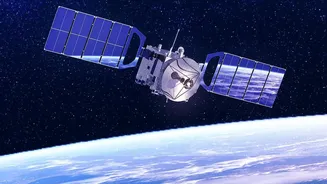
SpaceX's Starlink has been building a massive constellation of satellites in low Earth orbit to beam internet down from space. Its 'Direct to Cell' ambition aims to connect these satellites directly to standard, unmodified mobile phones on the ground. However, satellite signals face the same challenge as high-band 5G: they struggle to penetrate buildings. This is where the low-band spectrum comes in. By securing access to these frequencies, SpaceX can solve the indoor coverage problem. A recent deal announced on October 8, 2026, involves SpaceX acquiring a nationwide portfolio of low-band 800 MHz spectrum. Elon Musk called it the 'last critical piece of the spectrum puzzle' needed for complete phone coverage. This move signals a strategic shift from simply filling in dead zones in remote areas to competing directly with traditional mobile carriers in their own backyards.
A Hybrid Network: Space Meets Ground
The plan isn't just about satellites anymore. SpaceX intends to build a hybrid network that combines its satellite-to-mobile constellation with an 'advanced terrestrial deployment'. This likely means building or using ground-based cell towers that also operate on this low-band spectrum. When you're outdoors with a clear view of the sky, your phone might connect to a satellite. When you step indoors, it could seamlessly switch to a nearby terrestrial tower using the same spectrum, ensuring you never lose your connection. This combination of space and ground infrastructure, powered by a mix of low-band for coverage and mid-band for speed, is what allows SpaceX to credibly claim it can become a major mobile carrier.
The Impact on India and the Global Market
While the recent spectrum deal is focused on the US, the implications are global. The technology and strategy could eventually be replicated in other markets, including India, where Starlink's entry has been highly anticipated but delayed by regulatory hurdles. In India, reliable connectivity in rural and remote areas remains a significant challenge, with rural internet subscriptions at just 49 per 100 people as of June 2026. A satellite-based mobile service that also works well indoors could be transformative for bridging this digital divide. However, Starlink's path in India is complicated by ongoing security reviews and competition from local giants like Reliance Jio and Bharti Airtel, who are also developing their own satellite ventures. Elon Musk has publicly voiced frustration over the delays, suggesting powerful local interests are blocking Starlink's entry.
What Happens Next?
Before any of this becomes a reality for consumers, several things need to happen. The spectrum acquisition deal requires final approval from the Federal Communications Commission (FCC) in the US. SpaceX also needs to build out its planned terrestrial infrastructure, a costly and time-consuming process. The company has received FCC approval to launch 15,000 of its next-generation satellites designed for mobile connectivity, a major step forward. The established telecom players are not standing still; they are aware of the threat. The announcement of SpaceX's deal immediately caused the stock prices of major US carriers to fall. T-Mobile's CTO has publicly stated that it takes more than just spectrum to build a high-performing network overnight, highlighting the long road ahead for SpaceX.