



A Return to Culinary Roots
For years, the Indian pantry was dominated by clear, odourless refined oils, marketed as modern and convenient. This shift, which happened over one or two generations, caused a subtle but significant loss of regional culinary identity. Today, a growing
consciousness around health and a desire for authentic taste are driving a return to tradition. Many people are finding that food cooked in traditional oils, like cold-pressed sesame, groundnut, or mustard oil, tastes the way they remember from their childhoods. This movement isn't just about nostalgia; it's a deliberate choice for cleaner, less processed ingredients and a reconnection with India's rich culinary heritage.
Cold-Pressed vs. Refined: What's the Difference?
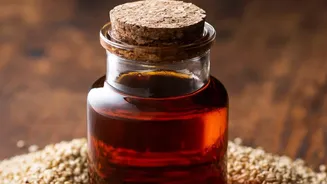
The magic of cold-pressed oil lies in its extraction method. Known traditionally as 'kachi ghani' or 'marachekku', this process involves crushing oilseeds at a low temperature without using heat or chemicals. This gentle technique ensures that the oil retains its natural nutrients, antioxidants, flavour, and aroma. In contrast, refined oils are extracted using high heat and chemical solvents to maximise yield. This industrial process often involves bleaching and deodorising, which strips the oil of its beneficial compounds and natural character, leaving behind a neutral-tasting fat.
A Nutritional Powerhouse
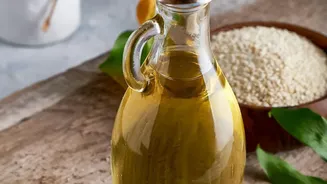
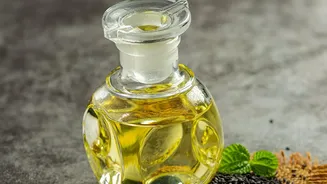
Cold-pressed sesame oil is more than just a cooking medium; it's a source of powerful nutrients. It is rich in polyunsaturated fats, including essential omega-6 fatty acids. It also contains vital antioxidants like sesamol and sesamin, which help combat oxidative stress in the body. Furthermore, it is a good source of Vitamin E, an antioxidant that protects cells from damage, and Vitamin K, which is important for bone health. Unlike refined oils, which lose much of their nutritional value during processing, cold-pressed sesame oil delivers these benefits intact.
Heart Health and Inflammation
One of the most significant benefits of incorporating cold-pressed sesame oil into your diet is its positive impact on heart health. The healthy unsaturated fats it contains can help lower levels of 'bad' LDL cholesterol and triglycerides while potentially increasing 'good' HDL cholesterol. The presence of antioxidants and anti-inflammatory compounds like sesamin may also help reduce inflammation, a key factor in many chronic diseases. Some studies even suggest that regular consumption of sesame oil may support healthy blood pressure and blood sugar regulation.
The Ayurvedic King of Oils
In Ayurveda, sesame oil is revered as the 'king of oils' and has been used for thousands of years. It is considered warming and grounding, making it particularly beneficial for balancing Vata dosha, which is associated with dryness and cold. Its traditional applications go far beyond the kitchen. It is the preferred oil for 'Abhyanga' (self-massage) to nourish the skin, lubricate joints, and calm the nervous system. It is also famously used for 'oil pulling' (gandusha), an ancient oral hygiene practice believed to remove toxins and promote gum health.
Bringing Sesame Oil into Your Kitchen
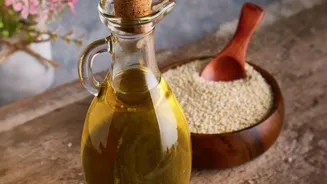
The distinct, nutty flavour of cold-pressed sesame oil makes it a versatile ingredient. In South Indian cuisine, it's a staple for tempering spices for chutneys and sambars. Its robust character also makes it an excellent choice for making pickles, as its natural properties help in preservation. You can use it to create flavourful salad dressings or as a finishing oil drizzled over stir-fries and noodle dishes. While it is suitable for some forms of cooking, its smoke point is generally lower than that of refined oils, making it better suited for sautéing and tempering rather than deep-frying.