



The Old and the New: What Is Mithai Reinvention?
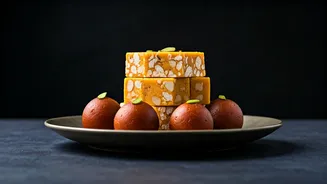
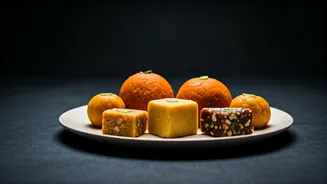
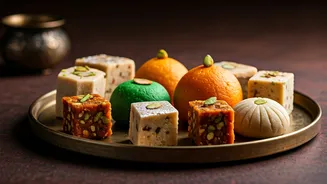
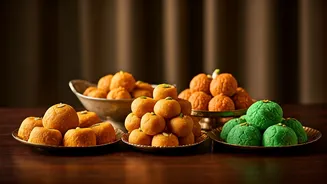
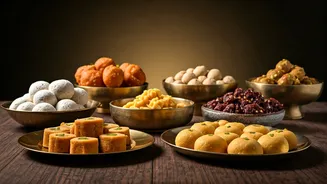
For generations, mithai has been synonymous with festivals and joy in India, with treats like ladoo and barfi holding deep cultural significance. Now, this beloved tradition is getting a contemporary update. The reinvention of mithai is more than just
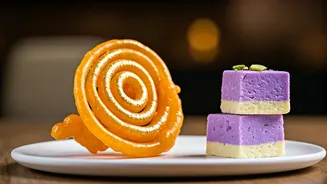
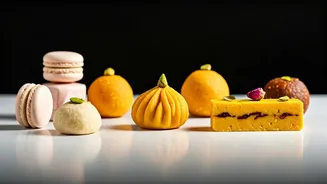
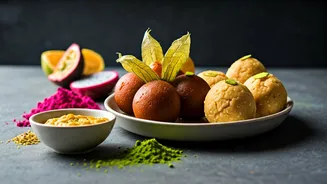
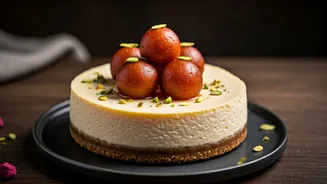
adding new flavours; it's a complete reimagining of ingredients, techniques, and presentation. Chefs are blending classic Indian sweets with global dessert forms, leading to creations like gulab jamun cheesecake, masala chai-spiced bombolini, and jalebi tiramisu trifles. This trend balances the comforting nostalgia of traditional flavours with an innovative twist that appeals to younger, well-travelled consumers. The result is a category of artisanal sweets that are visually stunning, often less sweet, and made with higher quality ingredients.
Meet the Modern Mithaiwallas
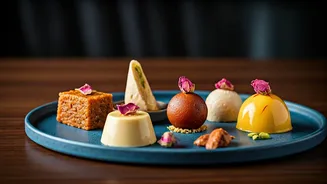
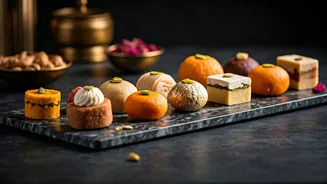
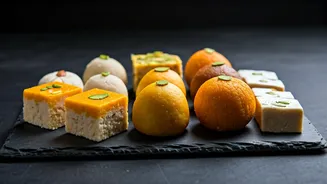
A new generation of chefs and boutique brands are at the forefront of this sweet revolution. Outfits like Bombay Sweet Shop, Khoya Mithai, and Nihira are leading the charge, transforming the perception of Indian sweets from traditional fare to gourmet delicacies. These brands are experimenting with everything from flavour pairings to presentation. For instance, Bombay Sweet Shop offers treats like a Kaju Bon Bon, which infuses the classic kaju katli with dark chocolate, while others are creating mithai inspired by global desserts. Master Chef Ajay Chopra launched Kshir & Canelé to marry Indian mithai with French pastry techniques and global flavours. These modern mithaiwallas focus on small-batch production, quality ingredients, and artisanal craftsmanship, treating each sweet like a piece of edible art.
Healthier Indulgence and Global Palates
A major driver of this trend is a growing health consciousness among consumers. Many people avoid traditional mithai because it can be excessively sweet or greasy. Modern makers are responding by using natural sugar alternatives like jaggery and honey, and even incorporating nutritious ingredients like millets, oats, and seeds. This creates a sense of "permissible indulgence," allowing people to enjoy their favourite sweets in a healthier format. Simultaneously, increasing exposure to international cuisines has cultivated more adventurous palates. Consumers are now eager to try innovative combinations that mix familiar Indian spices like cardamom and saffron with unexpected elements like citrus, coffee, and cream cheese. Social media has also played a significant role, popularising visually attractive desserts and encouraging more experimentation.
From Festive Treat to Everyday Luxury
This reinvention is changing not just how mithai is made, but also how it is perceived and consumed. Once reserved primarily for festivals and weddings, artisanal mithai is now positioned as an everyday luxury and a go-to for sophisticated gifting. The packaging itself has become a key element, with many brands offering beautifully designed boxes that make the sweets as much a feast for the eyes as for the palate. This elevation of mithai is also making it a staple on the menus of high-end restaurants, where it's presented as a gourmet dessert. With the rise of e-commerce, these premium sweets are more accessible than ever, with many brands shipping nationwide and tapping into a global market. This new wave balances exciting novelty with nurtured heritage, ensuring the tradition of Indian sweets continues to evolve and captivate for generations to come.