



The Constant Threat to Livelihoods
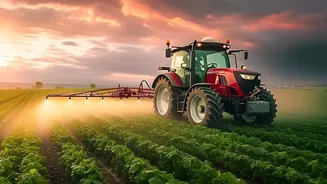
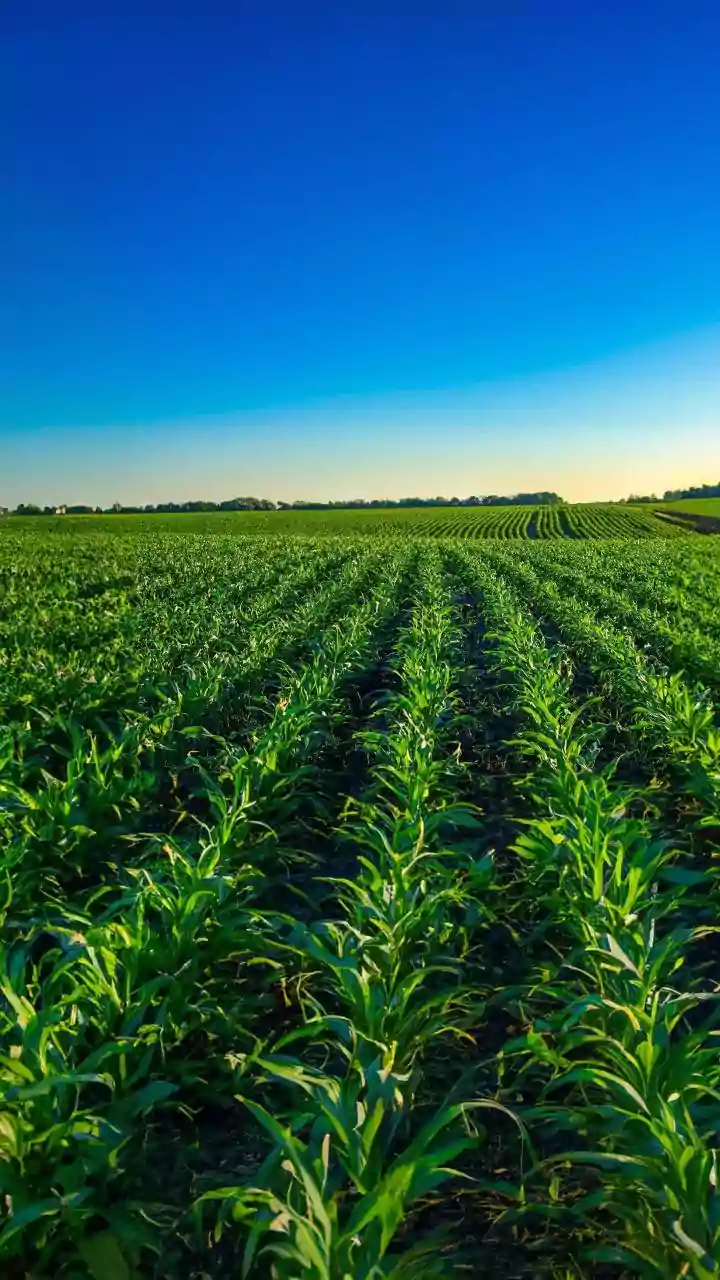
Agriculture is the backbone of Maharashtra's economy, with millions of families dependent on crops like cotton, soybean, and sugarcane. Yet, their income is perpetually at risk. A sudden pest infestation or a fungal disease can decimate an entire field
in days, turning a promising season into a devastating loss. Traditionally, identifying the exact problem required a visit from an agricultural extension officer or a trip to a local expert, causing delays that often prove costly. Farmers would sometimes resort to spraying expensive, and occasionally incorrect, pesticides in hope of saving their crops, which drives up costs and can harm the environment. This gap between problem and diagnosis has long been one of the most significant challenges in Indian agriculture.
An Expert in Every Farmer's Hand
A new wave of 'small AI' is changing this dynamic. Initiatives like the MahaVISTAAR-AI chatbot, developed under Maharashtra's MahaAgri-AI policy, are putting diagnostic power directly into the hands of farmers. These are not complex, high-cost systems but accessible applications designed to work on basic smartphones, often in local languages like Marathi. One of the most impactful applications is the image-based disease detection model. Spearheaded by collaborations between institutions like IIT Bombay, the Government of Maharashtra, and non-profits like the Wadhwani Institute for AI, these tools are built for the field.
From a Photo to a Diagnosis
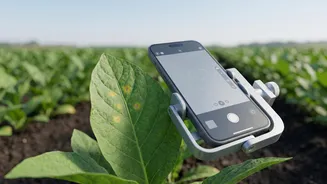
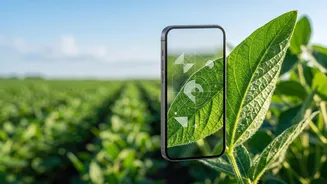
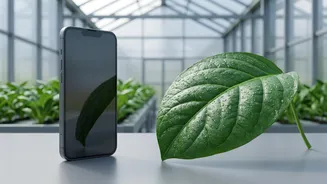
The process is remarkably simple yet incredibly powerful. A farmer noticing a strange spot on a leaf or a wilting plant simply takes a photo with their phone and uploads it to an app. The AI, trained on millions of images of healthy and diseased plants, analyses the picture in seconds. It compares the visual data—discoloration, lesions, patterns—against its vast database to identify the specific pest or disease. The system can distinguish between dozens of diseases and pests across numerous crops. Within moments, the farmer receives a diagnosis and, crucially, a set of recommended actions for treatment, from specific fungicides to other pest management techniques.
The Low-Cost, High-Impact Advantage
The 'low-cost' aspect of this revolution cannot be overstated. With smartphone penetration growing rapidly in rural India, the primary tool is already in many farmers' possession. Apps like Plantix, which have been widely adopted, and government-supported platforms are often free to download. This approach democratises access to expert advice that was previously scarce. The return on investment is significant. Case studies have shown that early and accurate detection allows for targeted intervention, drastically reducing the amount spent on pesticides and preventing widespread crop loss. For cotton farmers in Maharashtra fighting the pink bollworm, AI-driven advice has led to profit increases of 20-25% by cutting pesticide costs and improving crop quality.
Building a More Resilient Future
The impact extends beyond individual farms. When thousands of farmers upload images, the aggregated, geo-tagged data creates a real-time map of disease outbreaks. This allows state agricultural departments to issue early warnings to entire districts, manage pesticide supplies more effectively, and prevent regional epidemics before they peak. The technology is constantly learning. Every new image and diagnosis helps refine the AI's accuracy, creating a virtuous cycle of improvement. This blend of individual empowerment and large-scale data intelligence represents a major step towards making agriculture more precise, productive, and resilient to the mounting pressures of climate change and resource scarcity.