






The New Digital Nomad Dream
For years, the image of the digital nomad has been one of ultimate freedom, unburdened by office walls and geographic ties. But as the movement matures, so do its aspirations. A growing number of remote workers are looking for more than just a good Wi-Fi
connection and a scenic backdrop; they are searching for community, purpose, and a way to align their work with their values. This has given rise to a new destination criteria: sustainability. In Indonesia, particularly in hotspots like Bali, this has manifested in the growth of hubs designed around ecological principles, attracting professionals who want their footprint to be as light as their lifestyle is flexible.
What Defines a Zero-Waste Hub?
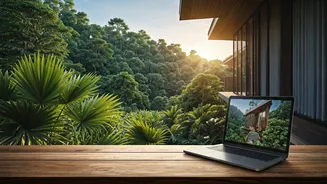
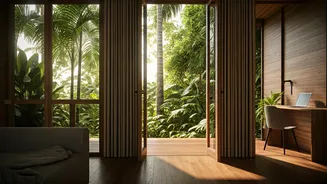
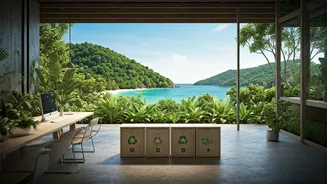
These are not your typical co-working spaces or villas. A zero-waste hub is an integrated environment built on the principles of reducing, reusing, and recycling, often taking it a step further into regenerative living. Think accommodations built from bamboo and reclaimed wood, on-site permaculture gardens that supply the kitchen, comprehensive composting and waste-sorting systems, and a strict ban on single-use plastics. Spaces like Mana Earthly Paradise in Ubud are pioneering examples, offering not just a place to stay and work but an immersive educational experience. They host workshops on traditional crafts, natural building, and sustainable farming, creating a holistic ecosystem where living, working, and learning are seamlessly intertwined with environmental stewardship.
Bali: The Epicentre of the Movement
It's no coincidence that Bali has become the cradle of this movement in Indonesia. The island has long been a magnet for spiritual seekers, artists, and wellness enthusiasts, fostering a culture that is receptive to alternative ways of living. This existing ethos, combined with a well-developed tourism infrastructure that is now catering to long-stay remote workers, created fertile ground. The presence of world-renowned institutions like the Green School and its community of eco-conscious families has also played a significant role, creating a network of like-minded individuals and proving that a high-quality, modern lifestyle can coexist with deep ecological commitments. From Canggu to Ubud, refill stores, vegan cafes, and community markets are no longer niche, but part of the mainstream appeal.
More Than Just a Workspace
The primary draw of these hubs is the built-in community. Remote work can be isolating, but these spaces are intentionally designed to foster connection. Shared meals, collaborative projects, and skill-sharing sessions are common. A graphic designer from Europe might find herself helping a local artisan build a website, while a software developer from America could spend his afternoons learning about permaculture alongside other residents. This exchange goes beyond professional networking; it’s about building genuine relationships based on shared values. The collective goal of living more sustainably creates a powerful social glue, turning a collection of individuals into a cohesive community working towards a common purpose.
Challenges and Future Questions
While the trend is inspiring, it is not without its complexities. The growth of these eco-centric bubbles raises important questions about accessibility and integration. The cost of living in such curated environments can be prohibitive for many, potentially creating exclusive enclaves that are disconnected from the wider local community. There is an ongoing challenge to ensure that these hubs contribute positively to the local economy and environment without inadvertently driving up prices or creating cultural divides. The most successful models are those that actively engage with and employ local staff, source materials from Indonesian suppliers, and create programmes that benefit the surrounding villages, ensuring the 'eco' element extends to social and economic sustainability as well.