



The Natural Method: What Are Cold-Pressed Oils?
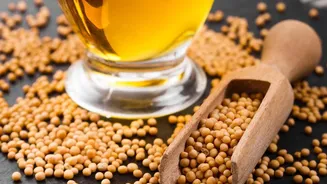
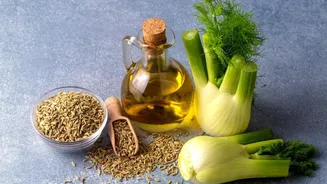
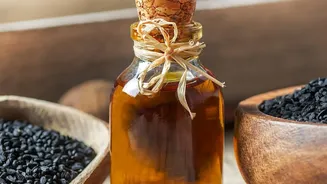
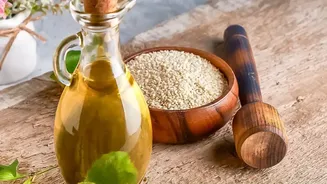
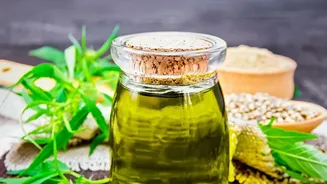
Think of cold-pressed oils as the most natural version of liquid fat you can get. Traditionally known in India as 'Kachi Ghani' or 'Chekku,' these oils are extracted by simply crushing seeds or nuts at a low temperature. The process is purely mechanical,
using pressure to squeeze the oil out without introducing high heat or chemical solvents. This gentle method is crucial because it helps the oil retain its original character. All the good stuff—like antioxidants, vitamins, and minerals—that is naturally present in the seed remains in the oil. This is also why cold-pressed oils, such as mustard, groundnut, or coconut, have a distinct, rich flavour and aroma that can elevate a dish.
The Industrial Process: Understanding Refined Oils
Refined oils are on the other end of the spectrum. Their journey from seed to bottle is an intensive industrial process designed for high yield and a long shelf life. The extraction often involves high temperatures and chemical solvents like hexane to get every last drop of oil out. After extraction, the crude oil goes through several stages of purification: neutralization to remove free fatty acids, bleaching to lighten the colour, and deodorization to remove any strong smell. While this results in a neutral, clear, and affordable oil, the process strips away most of the natural nutrients, including beneficial antioxidants and vitamins.
The Smoke Point Showdown: Why Heat Matters
The smoke point is the temperature at which an oil starts to smoke and break down. This is a critical factor in healthy cooking. When oil is heated past its smoke point, its fats begin to degrade, creating harmful compounds called free radicals which can damage cells in your body. This is where refined oils seem to have an advantage. Because the refining process removes impurities, refined oils generally have a higher smoke point, often above 200°C. Cold-pressed oils, full of natural compounds, typically have a lower smoke point, often around 160-180°C. This makes refined oils more stable for high-heat applications like deep-frying puris or samosas. In contrast, using a cold-pressed oil for deep-frying could lead to it breaking down and producing unhealthy substances.
Heart of the Matter: The Nutritional Impact
When it comes to heart health, the story becomes more complex. Your body needs a good balance of fatty acids, particularly omega-3 and omega-6. Cold-pressed oils, especially mustard oil, are praised for having a healthy ratio of these fats, along with monounsaturated fats (MUFA) that are known to be heart-friendly. The antioxidants preserved in cold-pressed oils also help fight inflammation and oxidative stress. Many refined oils, on the other hand, tend to be high in omega-6 fatty acids. An imbalanced, high intake of omega-6 without enough omega-3 can promote inflammation in the body, which is linked to chronic conditions, including heart disease. The high heat used in refining can also create unhealthy trans fats, further tipping the scales away from heart wellness.
Your Kitchen Guide: Which Oil for Which Dish?
So, which oil should you use? It’s not about declaring one 'good' and the other 'bad,' but about using the right oil for the right job. For everyday Indian cooking like preparing sabzis, dals, and tadkas that use low to medium heat, a cold-pressed oil is an excellent, nutrient-rich choice. Their natural flavours can beautifully complement the spices. Cold-pressed oils are also perfect for salad dressings and drizzling over finished dishes to add flavour and a nutritional boost. For the occasional deep-frying, a refined oil with a high smoke point is a more stable and safer choice, as it won't break down as easily under intense heat. The key is to avoid repeatedly using the same batch of refined oil for frying, as this significantly increases its toxicity.