


The Initial Outlay: A Tale of Two Budgets
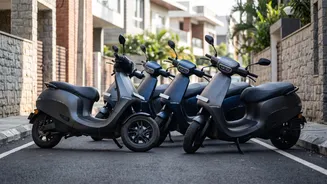
The most significant financial barrier to personal mobility is the upfront cost, and it is here that the gap between two-wheelers and cars is most stark. An entry-level commuter motorcycle or scooter can be purchased for between ₹80,000 and ₹1,00,000.
In contrast, even the most basic entry-level car starts at around ₹5,50,000 on-road. This five-fold difference places car ownership out of reach for a large segment of the population. Furthermore, financing for two-wheelers is often more accessible, with lower down payments and manageable EMIs, making them a feasible first step into personal vehicle ownership for millions of Indian households.
The Daily Grind: Fuel and Maintenance Costs
Once the vehicle is on the road, running costs become the primary concern. This is another area where two-wheelers hold a decisive edge. Commuter motorcycles and scooters routinely offer fuel efficiency ranging from 40 to 70 kilometres per litre (kmpl). Cars, particularly in stop-and-go city traffic, typically provide a much lower mileage, averaging between 15 and 20 kmpl. With petrol prices being a constant pressure on monthly budgets, this difference in fuel consumption translates into substantial savings over a year. Beyond fuel, maintenance costs for two-wheelers are significantly lower. Routine servicing, spare parts like tyres and brakes, and general repairs are all more affordable compared to the higher costs associated with car maintenance, where parts and labour are more expensive.
The Hidden Costs: Insurance, Parking, and Depreciation
The 'total cost of ownership' extends beyond just fuel and EMIs. These hidden expenses can add up significantly for car owners. Annual insurance premiums for a car are considerably higher than for a two-wheeler. Parking is another major differentiator. In congested urban centres, finding and paying for car parking can be a daily, expensive hassle, with monthly charges in residential societies and commercial areas running into thousands of rupees. Two-wheelers, with their smaller footprint, often bypass these costs entirely, finding space in informal or free parking spots. Depreciation—the loss in a vehicle's value over time—is also steeper for cars, representing a larger hidden financial loss.
The Ultimate Currency: Time and Agility
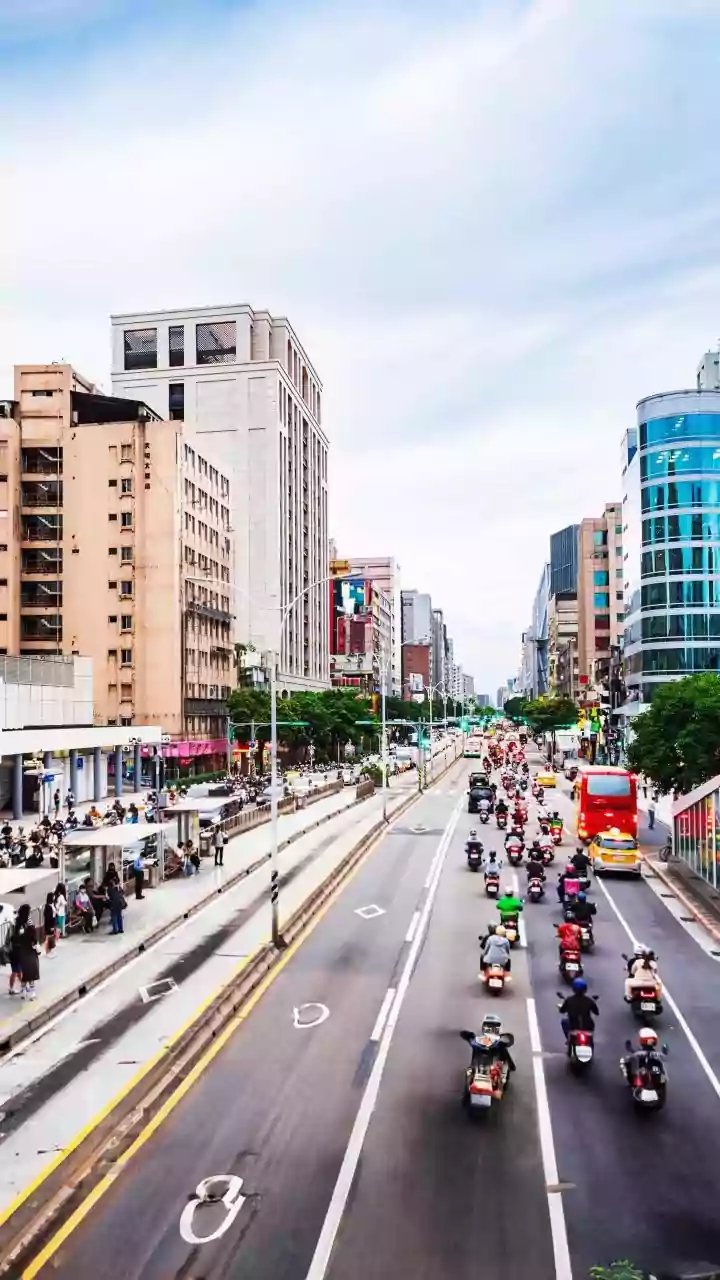
In India's chronically congested cities, time is arguably the most valuable commodity. This is where the two-wheeler's physical advantage comes into play. Their ability to navigate through narrow gaps and filter through slow-moving traffic can reduce commute times by 30-50% compared to a car on the same route during peak hours. A journey that might take an hour in a car could take just 30-40 minutes on a scooter. This time saved is not just a convenience; it's an economic benefit, translating into more productive hours at work or more time spent with family. The frustration and stress of being stuck in traffic jams also represent a significant, if unquantifiable, cost that two-wheeler riders often mitigate.
The Public Transport Paradox
While public transport options like buses and metros are cheaper on a per-trip basis, they often fall short in providing seamless, end-to-end connectivity. The 'last-mile' problem—getting from the metro station or bus stop to your final destination—remains a significant challenge in many Indian cities. This often forces commuters into a multi-modal journey that can be both time-consuming and inconvenient. Two-wheelers offer a powerful solution to this paradox, providing a single, door-to-door mode of transport that blends the low cost of ownership with the independence and flexibility that an often-overburdened public transport system cannot match.