

The Mouth: A Gateway for Bacteria
It all starts with plaque, a sticky film of bacteria that constantly forms on teeth after meals. If not removed, this plaque hardens into tartar, a rough, yellowish-brown deposit. This buildup irritates the gums, causing inflammation known as gingivitis.
Healthy gums form a protective barrier, but inflamed and bleeding gums create an open door for harmful bacteria to enter the bloodstream. This process, called bacteremia, means that what starts in the mouth doesn't stay in the mouth; it can spread throughout the body every time your pet chews or eats.
How Oral Bacteria Affect Vital Organs
Once bacteria are circulating in the bloodstream, they can cause significant damage to other organs. The heart, kidneys, and liver are particularly vulnerable. Bacteria can attach to heart valves, leading to a dangerous condition called endocarditis, which is an infection of the heart's inner lining. The kidneys, which filter the blood, are exposed to these bacteria continuously, and the chronic inflammation can lead to reduced kidney function over time. Similarly, the liver works overtime to filter these invaders, which can cause strain and damage to its tissues.
Early Warning Signs to Watch For
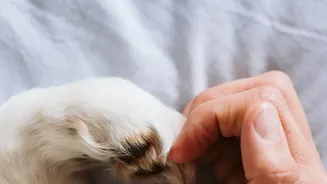
Since our pets are experts at hiding pain, it's crucial for owners to spot the early signs of dental trouble. The most obvious sign is persistent bad breath (halitosis). Other key indicators include yellow or brown tartar on the teeth, red, swollen, or bleeding gums, and changes in eating habits, like dropping food or chewing on only one side of the mouth. You might also notice your pet pawing at their mouth, drooling more than usual, or becoming irritable when their face is touched.
At-Home Prevention Is Your First Defence
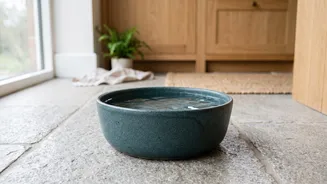
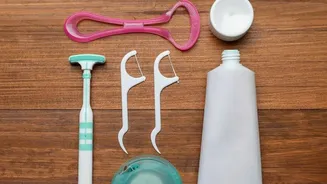
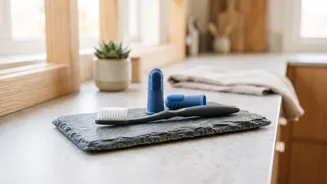
The most effective way to combat plaque is through consistent at-home care. Brushing your pet's teeth daily, or at least several times a week, is the gold standard for removing plaque before it hardens. Always use toothpaste specifically formulated for pets, as human toothpaste can be harmful. If brushing is a challenge, there are other helpful tools. Water additives, dental chews, and special dental diets approved by the Veterinary Oral Health Council (VOHC) can help reduce plaque and tartar buildup as part of a daily routine.
The Role of Professional Dental Cleanings
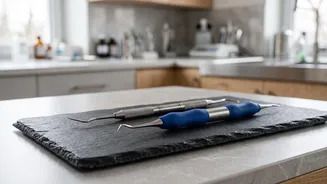
While home care is essential, it's not a substitute for professional veterinary dental cleanings. These cleanings are performed under general anaesthesia, which is necessary for a safe and thorough procedure. Anaesthesia allows the veterinary team to clean below the gumline, where the most dangerous bacteria accumulate. The procedure involves scaling tartar from the teeth, polishing the enamel to make it harder for plaque to stick, and taking dental X-rays to check for problems hidden below the surface, like root infections or bone loss. Your vet can then assess each tooth and determine if any extractions are needed to remove sources of pain and infection.