


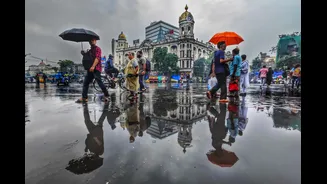


An Anxious Wait for Rain
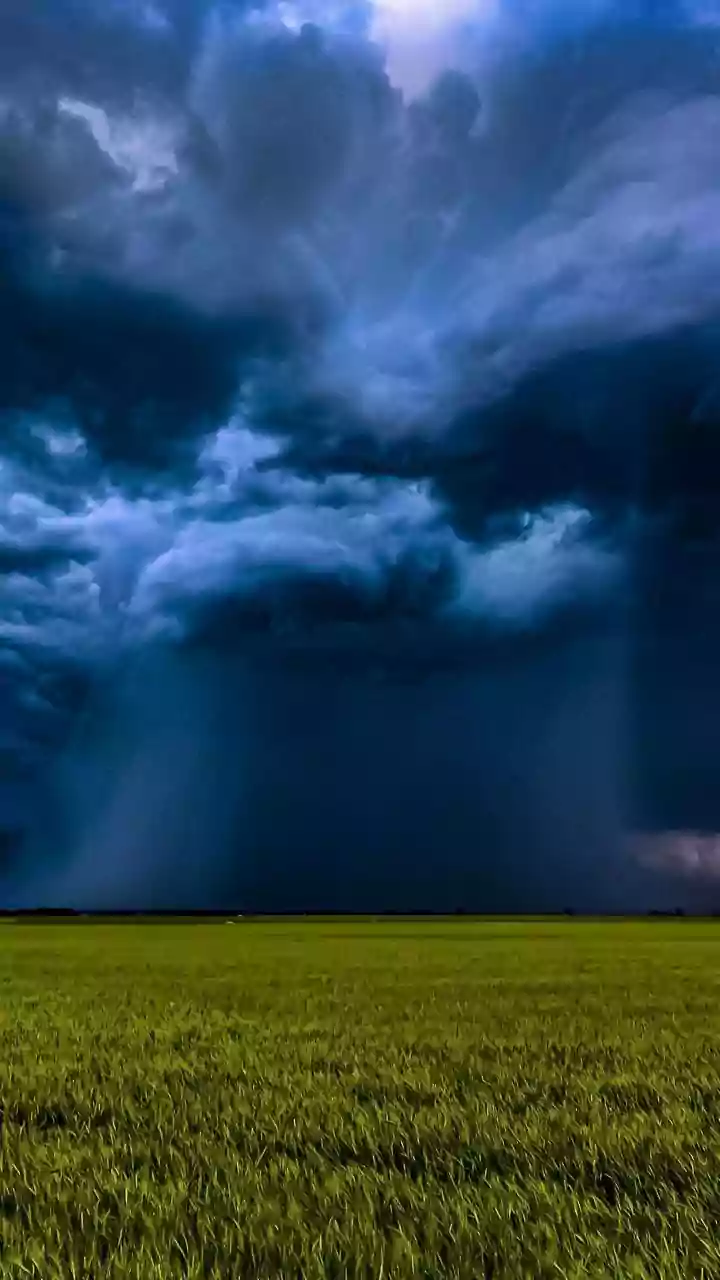
The 2026 southwest monsoon has been sluggish and uneven. After one of the driest Junes in over a century, the India Meteorological Department (IMD) has forecast that July rainfall is also likely to be below normal for most of the country. While the monsoon has technically
arrived in cities like Delhi and Mumbai, it was several days late and the rainfall has been patchy. This pattern of a late start, influenced by El Niño conditions, means the crucial period for replenishing water sources and cooling the subcontinent is compressed and uncertain. The national rainfall deficit from June has raised concerns for agriculture, water resources, and overall economic activity across India.
The Critical State of Water Reserves
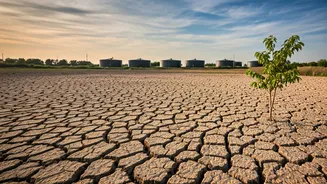
The most immediate and pressing issue for cities is the state of their water reservoirs. These concrete lifelines depend almost entirely on monsoon rains to be refilled for the year ahead. With June's deficit, major reservoirs across central and peninsular India are well below their normal levels. In Mumbai, authorities imposed water restrictions for construction sites and swimming pools even before the monsoon's late arrival to preserve dwindling stocks. The city's seven key reservoirs were collectively at just over 7% capacity in early July. This situation is mirrored in other urban centres, forcing municipalities to consider or implement rationing, and leaving residents to face low-pressure supply or outright cuts.
Infrastructure Projects in Limbo
Municipal bodies race against time every year to complete pre-monsoon civic works. This includes desilting drains to prevent waterlogging, repairing potholes, and finishing road and bridge construction. A delayed monsoon throws this entire schedule into disarray. In cities like Nashik, officials admitted that crucial nullah-cleaning work was incomplete when the rains finally began, sparking fears of inundation. The delayed start gave officials extra time, but that window was reportedly squandered. Construction projects, from real estate to public infrastructure, also face temporary halts during extreme rain. This means work that should have been completed in the dry season is now at risk of being either rushed, leading to poor quality, or pushed back even further, prolonging disruptions for citizens.
A Dual Threat to Public Health
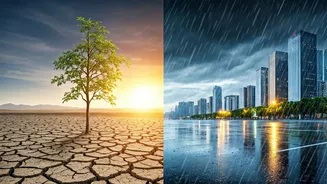
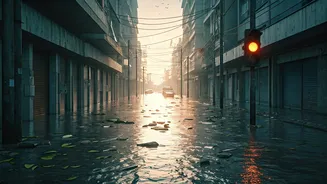
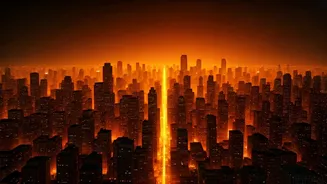
The weather pattern poses a two-pronged risk to public health. First, the extended period of heat and humidity before the rains leads to 'cumulative heat stress'. With night-time temperatures also remaining high, the body gets little chance to cool down, increasing risks of dehydration, exhaustion, and heatstroke. Second, the nature of the modern monsoon—characterised by long dry spells punctuated by sudden, intense downpours—creates its own hazards. When heavy rain finally arrives and falls on cities with unprepared drainage systems, it can lead to immediate waterlogging. Stagnant water becomes a breeding ground for mosquitoes and can contaminate drinking water sources, increasing the risk of water-borne diseases like diarrhoea.