


A trip to the mountains promises crisp air and stunning views, but it can also bring unexpected costs. Gear rental is a major one, but with smart packing, you can stay warm, comfortable, and save a significant amount of money.
The High Cost of Renting
When planning a trip to a cold
destination like Manali or Gulmarg, the cost of renting winter wear can quickly add up. A down jacket might rent for ₹50 to ₹700 per day, while a full trek kit including pants, fleece, and gloves can cost over ₹350 daily. For a week-long trip, these fees can easily surpass the cost of buying your own gear. Beyond the price, rentals come with other issues. Sizing can be inconsistent, availability isn't guaranteed during peak season, and the hygiene of items worn by many others can be a concern, especially for gear that sits close to the skin. While renting a bulky, expensive jacket you might only use once can seem practical, owning your personal layers is always the better investment.
Understanding the Power of Layering
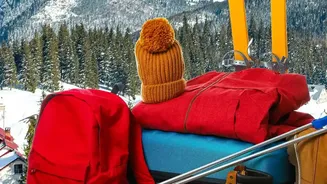
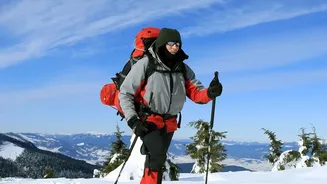
The secret to staying comfortable in fluctuating mountain weather isn't one big, thick jacket; it's a system of multiple, thinner layers. Professional adventurers and seasoned travellers live by this rule. The system is simple and consists of three main parts: a base layer to manage moisture, a mid-layer to insulate, and an outer layer to protect you from wind and rain. This approach allows you to adapt to changing conditions. As you exert yourself while hiking in the sun, you can remove a layer to avoid overheating and sweating. When you stop for a rest and the temperature drops, you can add it back. This adaptability is something a single heavy jacket can never offer.
The Base Layer: Your Second Skin
The base layer is the foundation of your warmth. Worn directly against your skin, its main job is to wick sweat away to keep you dry. Staying dry is crucial, as damp skin leads to rapid heat loss and can even cause hypothermia in cold conditions. Avoid cotton at all costs, as it absorbs moisture and takes a long time to dry. Instead, opt for materials like merino wool or synthetics such as polyester. Merino wool is excellent at regulating temperature and naturally resists odour, making it great for multi-day trips. Synthetics are typically more affordable, durable, and dry faster, making them ideal for high-exertion activities. A good set of thermal tops and bottoms can be purchased for around ₹1,000 to ₹1,200, an investment that pays for itself by the end of one trip.
The Mid-Layer: Trapping Body Heat
The mid-layer's primary function is insulation. It works by trapping the air your body has warmed, creating a pocket of heat that protects you from the cold. This layer is what truly keeps you warm. Common and effective mid-layers include fleece jackets, down vests, or lightweight synthetic 'puffy' jackets. Fleece is a popular choice as it's breathable, light, and insulates well even when damp. A simple fleece jacket can cost as little as ₹800 and is a versatile piece you can use in many situations, not just in the mountains. Down provides the most warmth for its weight but loses its insulating properties when wet, whereas synthetic insulation performs better in damp conditions.
The Outer Layer: Your Weather Shield
The final piece of the system is the outer layer, or shell. This layer's job is to protect you from the elements—specifically wind and water. A good outer shell will be windproof and waterproof (or at least water-resistant) while still being breathable enough to let the moisture wicked by your base layer escape. Without a proper shell, wind can cut through your insulating layers, and rain or snow can soak them, rendering them useless. While a high-end technical shell can be a significant investment, a basic waterproof jacket is often sufficient for most tourist activities and provides crucial protection that completes your layering system.