



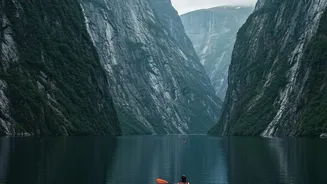

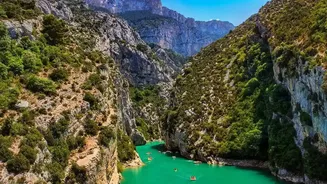
The Monsoon's Alluring, Dangerous Power
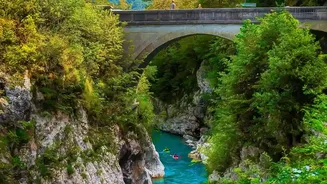
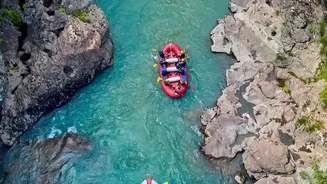
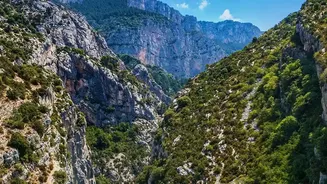
When the monsoon arrives, Meghalaya transforms into what locals call the 'Abode of the Clouds'. The landscape becomes a vibrant, almost mythical world of emerald forests and roaring waterfalls. Rivers like the Umngot and Kopili, which might be gentle
in other seasons, swell into formidable forces of nature. This transformation is what draws a niche group of expert kayakers to the region. They aren't looking for a leisurely paddle; they seek the adrenaline of navigating some of the most technically demanding whitewater on the planet. The deep gorges and rain-fed rapids present a world-class challenge, but the same conditions that create this paradise for extreme sports also make it incredibly hazardous.
More Than Just a Kayak Trip
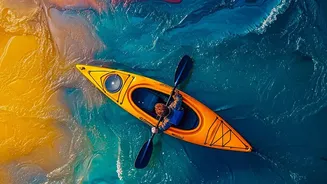
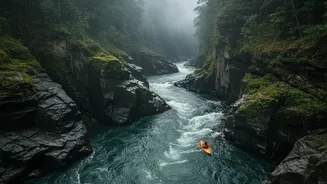
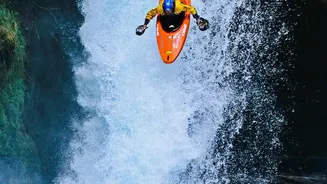
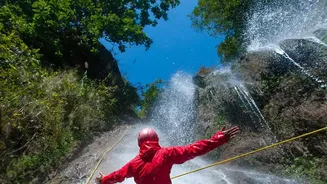
This isn't the kind of kayaking you do on a calm lake. Monsoon kayaking in Meghalaya's canyons is an extreme sport that combines elements of whitewater kayaking and canyoning. It involves navigating powerful, fast-flowing rivers through steep, narrow gorges, often encountering waterfalls, submerged boulders, and complex currents known as hydraulics. The sheer volume of water, fed by some of the heaviest rainfall on Earth, changes the river's character completely. What might be a visible rock in the dry season becomes a hidden, boat-flipping hazard. The water flow can increase dramatically and without warning, a phenomenon that demands more than just basic paddling skills—it requires a specialised mindset and toolkit.
An Arsenal of Specialized Equipment
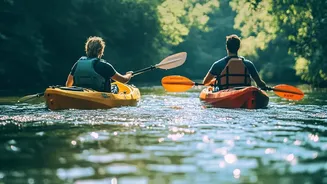
Tackling these rivers requires gear far beyond a standard recreational setup. Kayakers use creek boats, which are shorter, more voluminous, and built with durable plastic to withstand impacts with rocks and survive drops over waterfalls. A high-quality, well-fitted helmet and a Type V Personal Flotation Device (PFD), or life jacket, are non-negotiable for safety in such turbulent water. Essential rescue equipment includes throw bags (ropes stuffed in a bag for rescuing a swimmer) and river knives. A spray deck is worn to seal the kayak's cockpit, preventing it from filling with water. Many experts also wear drysuits or wetsuits to protect against cold water and abrasion. Every piece of gear is a lifeline, chosen for its ability to perform under extreme pressure.
The Indispensable Value of Local Knowledge
Even with the best gear, attempting to navigate Meghalaya's monsoon rivers without intimate local knowledge is a potentially fatal mistake. Local guides and experienced paddlers possess an understanding of the rivers that cannot be learned from a map. They can read the water, anticipate how a river will behave after a certain amount of rain, and know the location of dangerous undercurrents and siphons (where water flows under rocks). Most critically, they understand the ever-present threat of flash floods. Heavy rain in the hills, miles upstream, can send a sudden, violent surge of water down a previously calm canyon, trapping anyone in its path. This local expertise, often passed down through generations or gained over years of experience, is the most crucial piece of safety equipment.
Flash Floods: The Unseen and Sudden Threat
The primary danger in the canyons of Meghalaya during monsoon is the speed with which conditions can change. The region is prone to flash floods, which have tragically claimed lives. These are not slow, rising floods; they are powerful walls of water that can fill a gorge in minutes. An official advisory for the Sohra (Cherrapunji) region specifically warns visitors about the dangers of sudden surges in water bodies. For kayakers deep within a canyon, there is often no high ground and no easy escape route. This risk is compounded by reduced visibility from fog and constant rain, making it difficult to spot escape routes or approaching hazards. The very nature of the sport—being enclosed in a canyon—turns a flash flood into a deadly trap.