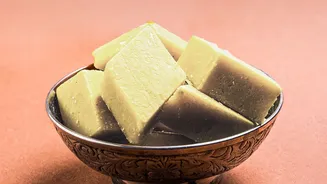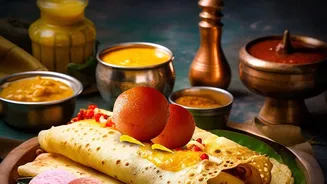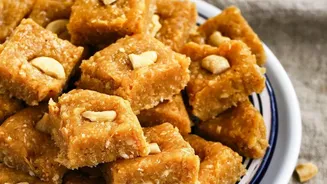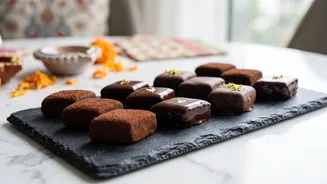




What is Fusion Mithai?
Simply put, fusion mithai merges traditional Indian sweets with Western dessert concepts, techniques, or flavours. Think of the syrupy goodness of a gulab jamun nestled within the creamy richness of a cheesecake, or the earthy notes of saffron and cardamom
enlivening a classic cupcake. These creations are not about replacing the classics but reimagining them. Examples abound, each more creative than the last: Rasmalai Tres Leches cake, Motichoor Ladoo parfaits layered with saffron cream, Thandai Panna Cotta, and even chocolate barfi with a hint of coffee. It’s a culinary crossover that celebrates both heritage and innovation, offering the comfort of nostalgia in a fresh, globally-inspired format.
The Innovators Behind the Trend
This sweet revolution is being led by a new generation of chefs, home bakers, and modern mithai brands who are not afraid to experiment. Established brands known for traditional sweets, like Bikanervala and Bhagat Halwai, have launched luxe fusion lines to cater to evolving tastes. At the same time, boutique sweet shops and high-end patissiers are gaining acclaim for their artful creations. For instance, Chef Ajay Chopra's brand Kshir & Canelé was founded with the vision of giving Indian mithai a French-inspired makeover. These culinary artists are thoughtfully combining flavours, ensuring one element enhances the other rather than overwhelming the palate. The focus is on balance, premium ingredients, and often, stunning presentation that makes these sweets a feast for the eyes as well as the taste buds.
Why Is This Happening Now?
Several factors are driving the rise of fusion mithai. A key driver is the changing Indian palate, which is increasingly global. Younger generations, in particular, are drawn to creations that feel both familiar and novel. Social media also plays a significant role; the visual appeal of a beautifully layered Gulab Jamun Cheesecake or a glossy Paan Truffle makes them perfect for Instagram feeds, generating excitement and curiosity. Furthermore, there is a growing demand for healthier or less intensely sweet options. Many fusion desserts use natural sweeteners, incorporate fruits for flavour, or present lighter textures compared to their traditional, often ghee-rich, counterparts. This trend mirrors a modern Indian identity: one that is deeply rooted in tradition but open and curious about global influences.
A Debate of Taste: Tradition vs. Modernity
Of course, not everyone is a fan. For every person delighted by a Rasmalai Tiramisu, there is a purist who believes classic recipes should remain untouched. The debate centres on authenticity. Does adding white chocolate and espresso to a barfi enhance it or erase its soul? Proponents argue that innovation is key to keeping traditions alive and relevant for future generations. They maintain that the trick is to respect the original flavours while elevating them. This isn’t the first time Indian cuisine has evolved. History shows a long record of adaptation, with Mughal and British influences introducing new ingredients and techniques that are now considered traditional. From this perspective, fusion mithai is not a break from the past, but the next logical step in a long and flavorful journey.