




The Calorie Counting Conundrum
For millions of health-conscious Indians, this is the first hurdle in their fitness journey. Most popular calorie-tracking apps were designed with a Western plate in mind. Their databases are filled with items like quinoa, kale salads, and chicken breast,
but they falter when faced with the vast diversity of Indian cuisine. Searching for 'dal makhani' or 'paneer butter masala' on these platforms can yield dozens of user-submitted entries with calorie counts that vary by hundreds. Is your homemade dal the same as the restaurant version swimming in ghee? The apps often can't tell the difference, leading to wild inaccuracies that can derail a person's efforts. This isn't just an inconvenience; it undermines the very purpose of tracking, creating confusion instead of clarity. A study by the National Institute of Nutrition found many apps either overestimated or underestimated calories for Indian meals because their databases lacked local context.
More Than the Sum of Its Parts
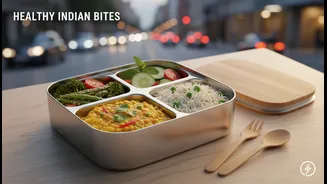
The problem goes deeper than just missing database entries. Indian food is complex. A single dish is not just a collection of individual ingredients but a synergy of spices, cooking methods, and regional variations. A 'tadka' of ghee or oil, a crucial step in many recipes, can add over 100 calories that are easily missed by generic trackers. The nutritional profile of a 'phulka' is different from a ghee-laden 'paratha', even if they start from the same flour. Furthermore, Indian meals are often served as a thali, a balanced composition of multiple components—dal, sabzi, roti or rice, curd, and salad. Western nutrition models, which often focus on single-dish meals, struggle to comprehend this holistic approach. They fail to account for the way different food items on a thali are meant to complement each other nutritionally. Simply counting calories misses the point of this traditional wisdom.
The Family Table Challenge
This disconnect is felt most acutely within diet-conscious families. How does one plan a single meal that caters to a diabetic father, a weight-conscious mother, and growing children? The generic, often restrictive, diet plans offered by many apps feel unsustainable in a family setting where food is a shared, cultural experience. It’s impractical to cook separate, bland meals for different members. The challenge isn't a lack of discipline but a lack of practical guidance that respects family eating patterns. The goal should be to make small, sustainable tweaks to beloved family recipes—reducing oil, swapping refined grains for whole ones, and balancing the plate—rather than imposing a completely alien dietary structure. This requires a level of nuance and cultural understanding that many one-size-fits-all digital solutions currently lack.
The Rise of Smarter, Localised Tech
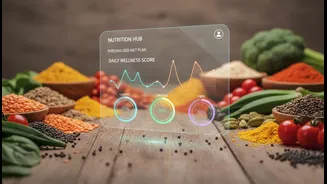
Thankfully, the Indian health-tech industry is rising to the challenge. A new generation of apps is being built from the ground up with Indian food in mind. These platforms feature extensive, verified databases of regional dishes, from 'undhiyu' to 'bisi bele bath'. Leveraging AI, some can even recognize meals from a photo, estimate portion sizes, and account for hidden fats like ghee or cream. They understand local units of measurement like 'katori' and 'roti' instead of just grams. While some of these services come at a premium, they signal a crucial shift from simply tracking numbers to providing actionable, culturally relevant advice. This evolution is vital, as India faces rising rates of lifestyle diseases like diabetes and obesity, making accessible and accurate nutritional guidance more important than ever.
A Path Forward: Blending Tech and Tradition
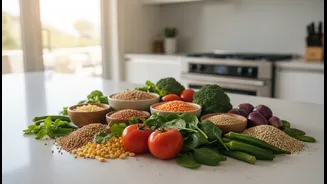
While technology improves, the ultimate power remains with the consumer. Rather than relying on any app as gospel, it's about using them as tools. The most effective approach combines modern tracking with traditional food wisdom. This means prioritizing mindful eating, understanding portion control in the context of your own plate, and focusing on the quality of food. A balanced Indian diet, rich in whole grains, lentils, vegetables, and spices, is inherently healthy. The key is moderation and making smart choices, like opting for whole grains over refined carbs and being mindful of fat and sugar intake. Instead of obsessing over exact calorie counts for every meal, a more sustainable goal is to build a better plate—half filled with vegetables, a quarter with protein like dal or paneer, and a quarter with complex carbs.