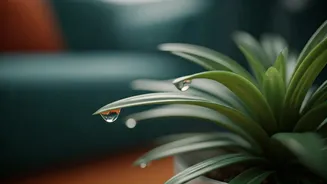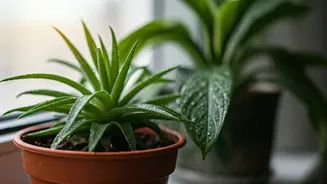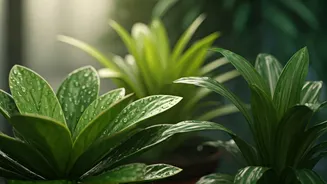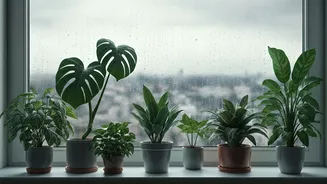



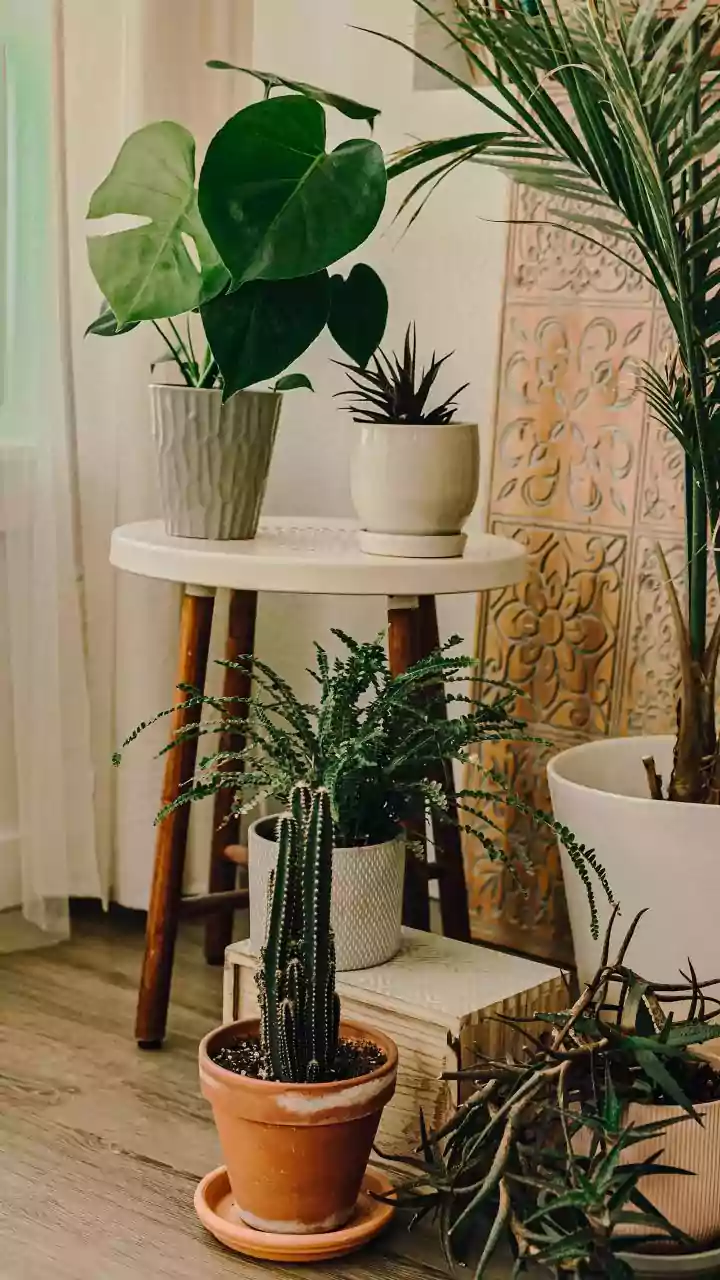


Recognise the Signs of Rot
Before you can prevent rot, you need to know what to look for. The most common mistake during the monsoon is overwatering. [3] Signs include leaves turning yellow or brown and feeling soft or mushy, not crispy. [14, 19] You might also notice the plant
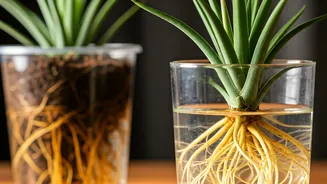
dropping both old and new leaves simultaneously. [14] Other tell-tale signals are a mushy stem base and a foul, rotten odour coming from the soil. [3, 14, 18] In high humidity, you may also see fuzzy white mould on the soil surface or fungus gnats flying around. [4, 16] If you suspect rot, the only way to be certain is to check the roots; healthy roots are firm and white, while rotting roots will be brown, black, and soft or spongy. [14, 20]
Rethink Your Watering Schedule
During the monsoon, the air is heavy with moisture and there's less sunlight, meaning water evaporates from the soil much more slowly. [3, 8] Your plants simply don't need as much water as they do in summer. [8] Continuing a summer watering routine is the fastest way to drown your plants. [3] The golden rule is to check the soil before you even think about watering. Stick your finger about one to two inches deep into the soil. [8, 9] If it feels damp, wait another day or two and check again. [3, 8] Only water when the top layer of soil is truly dry to the touch. This simple habit is the single most effective way to prevent the waterlogged conditions that lead to root rot. [10]
Prioritise Drainage and Aeration
Good drainage is non-negotiable during the rainy season. [3, 10] Ensure every pot has drainage holes at the bottom to let excess water escape. [9, 11] If your pots sit in decorative saucers, make sure to empty any collected water promptly. [6, 8] Elevating pots on small bricks or stands can also improve airflow underneath and prevent them from sitting in puddles. [5, 9, 10] The soil itself is just as important. A heavy, dense soil will retain too much water. [6] Amend your potting mix with materials like perlite, coarse sand, or coco peat to make it lighter and more porous. [3, 9, 10] This creates air pockets in the soil, which helps roots breathe and stops them from suffocating. [21]
Improve Air Circulation
High humidity combined with stagnant air is a perfect recipe for fungal diseases. [2, 4] Fungal spores thrive in damp, still conditions and can quickly lead to problems like powdery mildew or leaf spots. [2, 7] Improving air circulation around your plants is a key preventive measure. [15] Avoid crowding your plants too closely together; give them space to breathe. [10] When it's not raining, open windows to let fresh air in. A low-speed oscillating fan can also work wonders, helping to dry moisture on leaves and the soil surface. [15] Good airflow makes the environment less hospitable for fungi to take hold. [4]
Maximise Available Light
Monsoon skies are often overcast, significantly reducing the amount of natural light your indoor plants receive. [3, 5] Light is essential for photosynthesis, the process through which plants create energy. With less light, plant growth slows down, and they use less water, further increasing the risk of overwatering. [6] To compensate, move your plants to the brightest spots in your home, such as near east or south-facing windows. [6, 8] Regularly wipe dust off the leaves with a soft, damp cloth. Clean leaves can absorb the limited available sunlight more efficiently. [5]
Watch for Pests and Fungi
The damp, humid monsoon weather is an open invitation for pests and fungal outbreaks. [6, 11] Common issues include mealybugs, aphids, and various fungal spots on leaves. [7, 10] Inspect your plants regularly, paying close attention to the undersides of leaves and the points where leaves join the stem. [10] If you spot any pests, you can often treat them with a simple, natural remedy like neem oil spray. [6, 10] For fungal issues like white mould on the soil or spots on leaves, improving air circulation and reducing watering is the first step. [4, 11] You can also use an organic fungicide if the problem persists. [6]
Prune and Hold the Fertiliser
A little grooming goes a long way. Regularly remove any yellow, brown, or dead leaves from your plants. [5, 11] This not only keeps the plant looking tidy but also improves air circulation and removes potential hiding spots for pests and diseases. [11, 20] Monsoon is also a good time for light pruning to manage overgrown branches, which can help maintain good airflow through the plant's foliage. [6, 11] Since plant growth naturally slows down during the low-light months of the monsoon, they require fewer nutrients. [5] It's best to hold off on fertilising during this period. Adding fertiliser to already moist soil when the plant isn't actively growing can burn the roots. [5, 8]