





The Problem with Today's Batteries
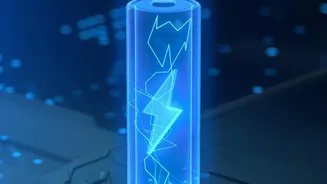
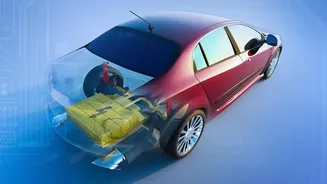
At the heart of every electric vehicle is a lithium-ion battery, which typically accounts for over a third of the car's total cost. The conventional method for making these batteries involves a 'wet slurry' process. Manufacturers mix active materials,
binders, and conductive agents into a toxic liquid solvent to create a paste. This paste is then coated onto a metal foil and sent through enormous, energy-guzzling ovens to dry. This process is not only expensive and slow, but it also creates environmental and health risks due to the toxic solvents used. These factors contribute significantly to the high cost of current EVs, keeping them out of reach for many potential buyers in India.
The Promise of Solid-State Technology
For years, the industry has looked to solid-state batteries as the next big leap. Unlike lithium-ion batteries that use a flammable liquid electrolyte, solid-state batteries use a solid material. This fundamental difference makes them inherently safer, reducing the risk of fires. More importantly, they boast a much higher energy density, meaning they can store more power in a smaller, lighter package. This translates to EVs with longer range and more cabin space. However, their widespread adoption has been hindered by one major obstacle: extremely high manufacturing costs, which are largely tied to complex and expensive production methods.
What is Dry Electrode Manufacturing?
Dry electrode manufacturing is a game-changing alternative that completely eliminates the need for liquid solvents and the lengthy drying stage. In this process, the battery materials are mixed as dry powders. High shear forces are used to fibrillize the binder material, creating a web-like structure that holds everything together. This dry mixture is then directly pressed or rolled into a self-supporting film and applied to the current collector foil. By skipping the solvent and drying steps, this method dramatically reduces factory space, energy consumption, and production time. Companies like Tesla, LG Energy Solution, and Panasonic Energy are actively investing in this technology.
Connecting the Dots to Lower Costs
The dry coating process is particularly crucial for making solid-state batteries commercially viable. Because some materials used in solid-state electrolytes are sensitive to liquids, the solvent-free nature of dry manufacturing is a perfect match. The cost savings are substantial. By eliminating massive drying ovens and solvent recovery systems, manufacturers can reduce factory capital expenditures and operational costs. Some estimates suggest cost savings of up to 15% and a reduction in the factory's physical footprint by more than half. Furthermore, the process allows for the creation of thicker, more uniform electrodes, which can improve battery performance and energy density even further.
The Road Ahead for Indian EVs
While this innovation is happening globally, its implications for India are profound. A significant portion of battery cells used in Indian EVs are currently imported, making the market vulnerable to global supply chain issues and price volatility. Cheaper manufacturing processes like dry coating could pave the way for greater domestic production. Even if EV prices don't drop overnight, localizing advanced battery manufacturing would build a more resilient supply chain. In the long run, this could lead to batteries better suited for Indian conditions, foster a domestic ecosystem for materials and recycling, and ultimately make EVs more affordable for the masses as economies of scale are achieved.