





A 'Big Mistake' With Human Costs
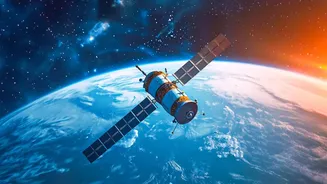
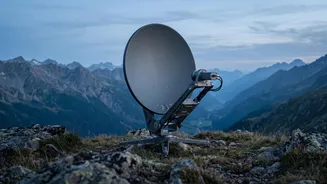
In recent interviews, Ukrainian President Volodymyr Zelenskyy has voiced significant concern over new restrictions on the Starlink satellite internet service, calling the decision a 'big mistake' that will lead to 'a lot of human losses'. According to reports
from mid-October 2026, Ukrainian military officials were caught off-guard by a sudden throttling of the service, which limited its functionality on platforms moving faster than 160 km/h (about 100 mph). This directly impacts Ukraine's ability to operate some of its most effective drone interceptors used to defend against Russian attacks, as well as other critical strike and logistical missions. Zelenskyy stated that his government had confirmed through testing that the restrictions were specific to Ukraine, as terminals in moving vehicles in neighboring EU countries worked without issue.
The Indispensable Digital Lifeline
Since the early days of Russia's full-scale invasion in February 2022, Starlink has been more than just an internet provider; it has been a core component of Ukraine's defence. After a Russian cyberattack crippled a key satellite network at the war's outset, SpaceX's system provided a resilient backup. It has since become the backbone for a vast range of military applications, enabling real-time communication on the front lines, coordinating artillery fire, and guiding sea and air drones for both surveillance and attack. For a military outmatched in traditional hardware, the agility and connectivity provided by an estimated 42,000-plus terminals have been a revolutionary force multiplier, allowing Ukraine to maintain command and control despite Russia's relentless assaults on its infrastructure.
A Fraught Relationship
The partnership between Ukraine and Elon Musk has always been complex. While Musk was initially lauded for rapidly deploying the service, tensions soon emerged. Most notably, he reportedly denied a Ukrainian request to extend Starlink coverage to Crimea to facilitate an attack on Russia's Black Sea fleet, stating he did not want SpaceX to be 'explicitly complicit in a major act of war'. The latest restrictions have reignited this debate. Musk has stated that the military-grade version, Starshield, is owned and controlled by the US government and that any limits are its decision. However, Ukrainian officials and even some US lawmakers have expressed alarm, with a bipartisan group of senators calling for an investigation into the potentially 'deadly consequences' of the disruption.
The Privatization of War
The situation highlights a precarious new reality in 21st-century conflict: a sovereign nation's ability to defend itself can be subject to the decisions of a private company and its mercurial CEO. While private military companies have long been a feature of warfare, the reliance on a single, foreign-owned tech platform for critical command and control is a novel geopolitical dilemma. It raises profound questions about accountability and national security. When a CEO can effectively 'geofence' a conflict or throttle a military's capabilities based on personal conviction or external pressure, it introduces a volatile new variable into international relations. The dilemma for Kyiv is acute: it cannot function effectively without Starlink, but its dependence leaves it vulnerable to decisions made in boardrooms and government offices thousands of miles away.