


Preparing for the Journey
A safe trip begins long before you turn the ignition. Before leaving Bangalore, ensure your vehicle is in top condition. Pay special attention to your tyres, brakes, lights, and wipers, as these are critical for ghat road driving. Given the remote stretches,
it's wise to have a full tank of fuel, as petrol stations can be sparse after you leave the main highways. Pack an emergency kit containing a first-aid box, a torch, a portable tyre inflator, and a tow cable. Due to patchy mobile network coverage in the forest, download your route maps offline. It’s also a good idea to carry snacks and sufficient water, especially if travelling with family.
Choosing Your Route and Timing
The drive from Bangalore to Agumbe is approximately 350 kilometres. A popular and scenic route runs via Hassan and Belur on NH 75 and NH 373. While the highways are generally in excellent condition, the roads become narrower and more winding as you approach the rainforest. It's highly recommended to avoid driving through the ghat section at night. The combination of darkness, sharp bends, and potential fog significantly increases risk. Planning an early start from Bangalore allows you to cover the most challenging parts in broad daylight. While the monsoon season (June to September) showcases Agumbe in its most vibrant green avatar, it also makes the roads slippery and prone to landslides. For a more relaxed experience, consider travelling between October and February, when the weather is pleasant and the roads have recovered from the monsoon's impact.
Mastering the Agumbe Ghat
The Agumbe Ghat section, with its 14 sharp hairpin bends, demands your full attention. This stretch is narrow and steep, requiring patience and careful maneuvering. Always stick to your left, especially on blind curves. A cardinal rule of ghat driving is to honk at every bend to alert oncoming traffic. Overtaking on these turns is extremely dangerous and must be avoided. Wait for a straight, clear stretch before attempting to pass a slower vehicle. When driving downhill, use engine braking by staying in a lower gear (second or third) to control your speed and avoid overheating your brakes. Similarly, use lower gears when climbing steep inclines to ensure you have enough power. Be particularly cautious of buses and trucks, which may need a wider turning radius at hairpin bends.
Monsoon Driving Precautions
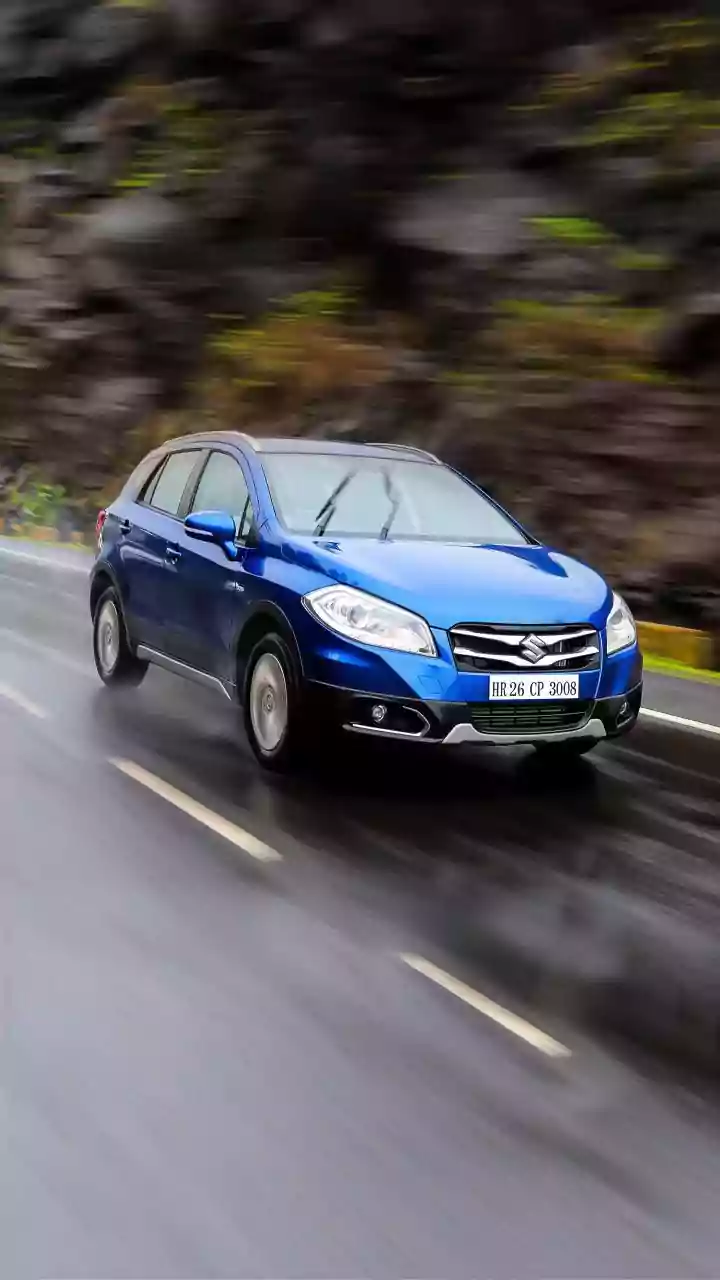
If you choose to drive during the monsoon, be prepared for additional challenges. Heavy rains can make the roads extremely slick and reduce visibility significantly due to dense fog. Drive slower than you normally would and maintain a greater distance from the vehicle ahead. Be aware of potential landslides, a common occurrence during this season. Local authorities often restrict the movement of heavy vehicles on the ghat during peak monsoon to prevent accidents. Always check for the latest traffic advisories and road conditions before you start your journey. If you stop to enjoy the view, do so only at designated, safe spots and never on a narrow turn, as this can block traffic and create a hazard.
Respecting the Rainforest
The Agumbe rainforest is a biodiversity hotspot and home to a variety of wildlife, including the King Cobra. Be vigilant for animals crossing the road, especially in the denser forest sections. Drive slowly to give yourself enough time to react. This is their home, and it is our responsibility to ensure their safety. Also, remember that this is a pristine environment. Do not litter or dispose of plastic waste along the route. Carry your trash with you and dispose of it responsibly. During the monsoon, be mindful of leeches if you step out of your car.