








The Annual Monsoon Challenge
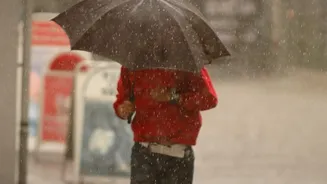
For residents of major Indian metropolitan areas like Mumbai, Chennai, and Kolkata, the monsoon season is a double-edged sword. While essential for agriculture and replenishing water supplies, the intense downpours often overwhelm outdated or inadequate
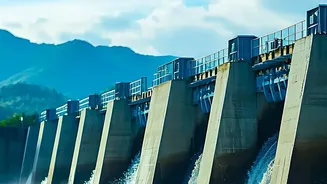
urban drainage systems. The result is widespread waterlogging that paralyzes traffic, damages property, disrupts daily life, and poses significant public health risks. Traditionally, municipal authorities have relied on reactive measures, responding to flooding after it has already occurred. This approach is often inefficient, as officials lack a real-time, city-wide view of which areas are most affected and where resources are needed most urgently.
What Are Connected Water Sensors?
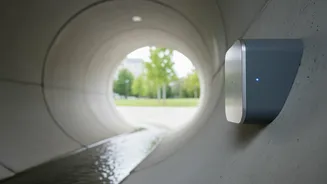
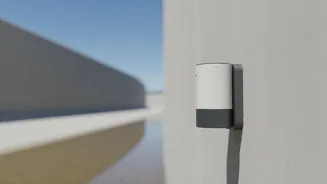
Enter the world of the Internet of Things (IoT). Connected water sensors are small, durable electronic devices strategically placed in flood-prone areas like storm drains, canals, rivers, and underpasses. These aren't just simple float switches; they are sophisticated instruments that can measure critical data points in real time. Depending on the model, they can use ultrasonic, conductive, or optical methods to detect the presence and level of water. The 'connected' part of their name comes from their ability to transmit this data wirelessly over cellular or Wi-Fi networks to a central server. This creates a live, digital map of water levels across an entire city.
From Raw Data to Actionable Intelligence
The magic of this technology isn't just in collecting data, but in making it useful. The information from hundreds of sensors is fed into a centralized dashboard that municipal officials can monitor. Instead of relying on anecdotal calls from the public, they can see precisely where water levels are rising dangerously. These systems are often programmed to send automatic alerts via SMS or app notifications to disaster management teams when water crosses a predefined critical threshold. This allows for proactive decision-making. For instance, an early alert can give authorities enough time to issue traffic advisories, prepare evacuation plans for low-lying areas, or deploy pumps before a situation becomes critical.
Pioneering Efforts in Indian Cities
This technology is no longer just theoretical. Several Indian cities are actively deploying these systems as part of their 'Smart City' initiatives. For example, Kolkata has implemented a Flood Forecasting and Early Warning System (FFEWS) to better manage its monsoon challenges. In another recent development from August 2026, research collaborations like the one between IIT Bombay and tech firm Aurassure are using data from IoT sensors to power AI models that can predict urban flooding up to 48 hours in advance. Similarly, cities like Chennai and states like Kerala are integrating IoT sensors into their disaster management framework to improve flood preparedness and response times.
The Benefits of a Smarter Approach
The primary benefit of using connected water sensors is the gift of time. Advance warnings enable a shift from a reactive to a proactive flood management strategy. This leads to more efficient allocation of resources, as pumps and personnel can be sent exactly where they are needed. It enhances public safety by allowing for timely warnings and evacuations. In the long term, the data collected by these sensors is invaluable for urban planners. It helps identify chronic waterlogging hotspots and provides empirical evidence to justify infrastructure upgrades, such as improving drainage capacity or designing better water diversion channels.
Challenges and the Road Ahead
Despite the promise, widespread implementation faces hurdles. The initial cost of deploying a dense network of sensors can be high, and ensuring their maintenance—especially keeping them powered and free from silt or debris—is a logistical challenge. Furthermore, the technology itself is only one part of the solution. It must be integrated with effective communication strategies to ensure warnings reach vulnerable populations, and backed by well-rehearsed response plans on the ground. The future lies in combining this real-time sensor data with other technologies like AI-driven predictive models and digital twins—virtual replicas of the city—to simulate and predict flooding with even greater accuracy.