


Ghee: An Ancient Fat for Modern Times
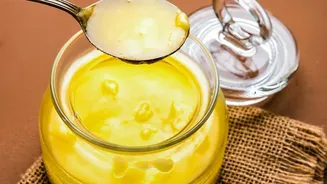
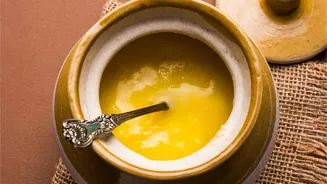
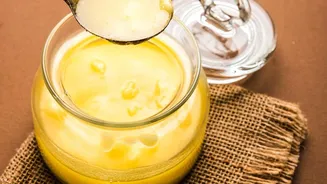
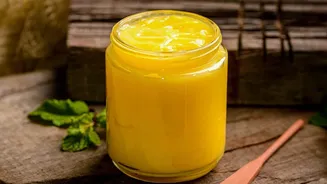
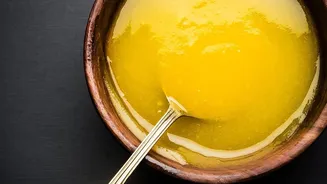
First, let's clarify what ghee is. At its core, ghee is a type of clarified butter, created by simmering butter until the water content evaporates and the milk solids separate and can be skimmed off. This process has been a cornerstone of Indian cuisine
and Ayurvedic medicine for thousands of years. By removing the milk solids, what’s left is pure butterfat. This process not only creates a rich, nutty flavour but also makes ghee shelf-stable and free of lactose and casein, which can be a bonus for those with dairy sensitivities.
The Art of the Infusion
Infused ghee takes this golden liquid a step further. It involves steeping aromatic herbs and spices in the warm ghee to impart their flavour and, in some cases, their beneficial compounds. Think of garlic-infused ghee for sautéing vegetables, rosemary-infused for roasting potatoes, or even a warming blend of turmeric and black pepper. This practice transforms ghee from a simple cooking fat into a dynamic flavour-enhancer. The fat acts as an excellent carrier for the active compounds in herbs, potentially increasing their absorption by the body.
Why Smoke Point Is a Big Deal
The headline's central claim revolves around the 'high smoke point'. An oil's smoke point is the temperature at which it stops shimmering and starts smoking. When an oil is heated past this point, it begins to break down, creating harmful compounds called free radicals and a substance called acrolein, which gives burnt food its acrid flavour and smell. Consuming foods cooked in oil that has been heated beyond its smoke point can contribute to cellular damage and inflammation. Therefore, using an oil with a high smoke point is crucial for high-heat cooking methods like searing, frying, and roasting.
Ghee's Superiority Under Heat
This is where ghee truly shines. Pure ghee has a remarkably high smoke point, typically around 250°C (482°F). This is significantly higher than butter (175°C), extra virgin olive oil (around 190°C), and unrefined coconut oil (175°C). It even competes with many refined vegetable oils, but with a key difference: ghee is far more stable. Many vegetable oils are high in polyunsaturated fats, which are chemically unstable and can oxidize and break down even before they reach their visible smoke point. Ghee, being mostly saturated and monounsaturated fat, resists this degradation, making it a safer and more stable choice for the hot pan.
The Healthy Side of Ghee
Beyond its cooking performance, ghee brings several health advantages to the table. It is a rich source of fat-soluble vitamins like A, D, E, and K, which are vital for everything from immune function to bone health. Ghee is also one of the best dietary sources of butyric acid, a short-chain fatty acid that is the primary fuel for the cells lining our colon. Butyric acid has been shown to have anti-inflammatory properties, supporting gut health and the integrity of the intestinal wall. As part of a balanced diet, the healthy fats in ghee, including omega-3s, can also support heart health.
Bringing Infused Ghee Into Your Kitchen
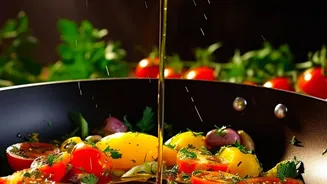
Using infused ghee is simple and versatile. Use a garlic or herb-infused ghee to sear fish or chicken, adding a layer of flavour from the very start. Drizzle it over roasted vegetables or stir it into rice or lentils for a delicious finish. Its stability makes it ideal for traditional Indian tadka (tempering spices in hot fat) without the risk of burning. You can even use it in baking as a substitute for butter or other oils. Whether you buy it pre-infused or make your own by gently warming ghee with your favourite dried herbs and spices, it’s an easy upgrade for any home cook.