
What Exactly Are the Perseids?
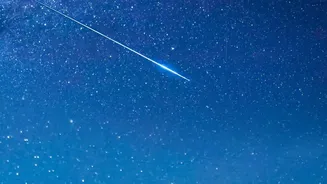
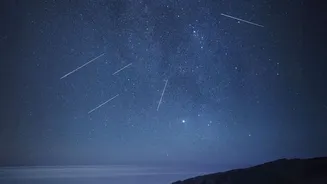
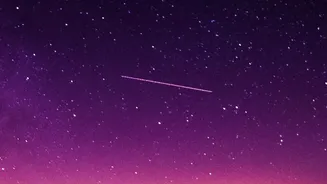
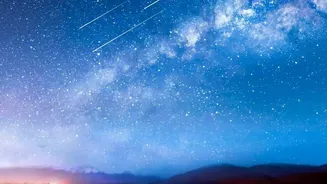
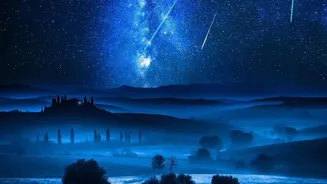
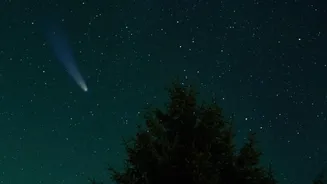
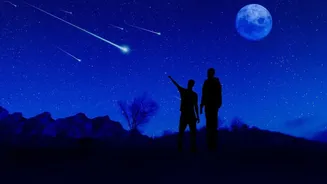
Every August, Earth passes through a trail of cosmic dust and debris left behind by a giant comet. These tiny particles, many no bigger than a grain of sand, burn up as they enter our atmosphere at high speeds, creating the beautiful streaks of light
we call meteors, or “shooting stars.” This annual event is known as the Perseid meteor shower. It’s one of the most beloved meteor showers of the year, known for its reliability and bright, plentiful meteors. The shower gets its name from the constellation Perseus, as the meteors appear to radiate from this point in the night sky. But you don’t need to find the constellation to enjoy the show; the meteors will be visible across the entire sky.
Why 2026 Is a Once-in-a-Generation Show
While the Perseids happen every year, the quality of the show varies dramatically. The single biggest factor is moonlight. A bright moon can act like celestial light pollution, washing out the fainter meteors and drastically reducing the number you can see. This is what makes 2026 so special. The peak of the meteor shower, on the night of August 12-13, coincides perfectly with the new moon. This means the sky will be completely dark, offering the ideal canvas for the shower. Under these perfect conditions, viewers in dark locations could see up to 100 meteors per hour. This rare combination of peak activity and a moonless night makes 2026 one of the best opportunities in years to witness the Perseids in all their glory.
The Challenge: India's Monsoon Sky
For skywatchers in India, there is one significant hurdle: the monsoon. August often brings heavy cloud cover to many parts of the country, which can unfortunately obscure the celestial display. However, not all hope is lost. The key is to find locations that are less affected by the monsoon rains. Rain-shadow regions offer the best chance for clear skies. Think of high-altitude deserts like Ladakh and the Spiti Valley in Himachal Pradesh. These areas are renowned for their clear, dark skies and are prime destinations for astronomy enthusiasts. Similarly, the arid landscapes of Western Rajasthan and the Rann of Kutch in Gujarat may also offer a clear window to the cosmos during this period.
How to Watch: Your Viewing Guide
You don't need any fancy equipment to enjoy the Perseids; in fact, your naked eye is the best tool for the job since it allows you to see a wide expanse of sky. The best time to watch will be from midnight until just before dawn on the mornings of August 12 and 13. Here are a few tips to maximize your experience: 1. Escape the City: Find the darkest spot you can, away from the glare of city lights. Parks, rural areas, or designated dark sky locations are your best bet. 2. Get Comfortable: You'll be looking up for a while, so bring a blanket or a reclining chair. Lie flat on your back for the most comfortable viewing posture. 3. Be Patient: Give your eyes at least 20-30 minutes to fully adjust to the darkness. Avoid looking at your phone screen, as its bright light will ruin your night vision. 4. Look Up: While the meteors radiate from Perseus, they can appear anywhere. Just pick a dark patch of sky and watch. The show is well worth the wait.
The Comet Behind the Curtain
The celestial fireworks of the Perseids are thanks to Comet 109P/Swift-Tuttle. This massive comet, with a nucleus about 26 kilometres wide, swings through our inner solar system on a 133-year orbit. As it nears the sun, it heats up and sheds a trail of ice, rock, and dust. Every August, Earth's orbit takes us right through this ancient debris field. The resulting meteor shower is a beautiful, tangible connection to a celestial giant that last passed by our neighbourhood in 1992 and won't return until 2125. So, when you watch a Perseid meteor streak across the sky, you're seeing a tiny piece of a comet that has been travelling through space for thousands of years.