






Humidity: A Perfect Playground for Microbes
The single biggest reason for rapid food spoilage during the monsoon is the increased moisture in the air. Microorganisms like mould, yeast, and bacteria thrive in warm, humid conditions. High humidity means that the air is saturated with water vapour,
which provides the necessary moisture for these microbes to multiply on the surface of your food. This process is accelerated because the moist air prevents foods from drying out, creating an ideal breeding ground. For instance, the moisture can cause dry foods like biscuits and crackers to absorb water from the air, losing their crispness and becoming susceptible to mould. Similarly, the natural moisture in fruits and vegetables, combined with the damp environment, speeds up enzymatic reactions that lead to ripening, decay, and mould growth.
Protecting Fresh Fruits and Vegetables
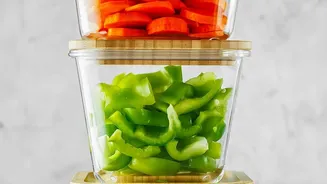
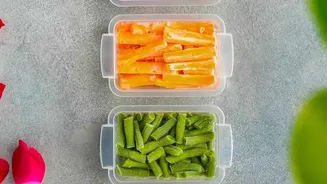
Leafy greens and other vegetables are particularly vulnerable during the monsoon. It's best to buy them in smaller quantities and inspect them for any signs of sogginess or discoloration before purchase. Before storing, make sure they are dry. You can pat leafy greens like spinach and coriander with a paper towel, wrap them loosely in cloth or paper, and store them in a ventilated or zip-lock bag in the refrigerator's crisper drawer. Do not wash vegetables until you are ready to use them, as excess water will accelerate spoilage. For root vegetables like carrots and beets, store them in a cool, dark place, but ensure there's good ventilation. Keeping them off the floor, on a wooden plank or shelf, helps prevent moisture from seeping in.
Safeguarding Grains, Flours, and Spices
Dry goods are magnets for moisture. Flours, grains, pulses, and spices can clump together, lose their potency, and become breeding grounds for weevils and mould. The most crucial step is to transfer them from their original packaging into clean, dry, and completely airtight containers. Glass jars are an excellent choice. Before storing, you can lightly roast items like suji (semolina) and dalia (cracked wheat) to remove any latent moisture. For extra protection, placing a few bay leaves in your flour and rice containers can help deter pests and absorb excess moisture. Store your spice containers in a cool, dark cabinet away from the steam of the stove or sink, as the combination of heat and humidity is especially damaging.
Handling Cooked Food and Leftovers
Cooked food, with its high moisture content, is at high risk of contamination and spoilage during the monsoon. Never leave leftovers sitting out at room temperature for extended periods. Once food has cooled down, it should be refrigerated promptly in airtight containers. This prevents airborne bacteria and mould from settling on the food. It's also wise to cook in smaller batches to minimise waste and the need for prolonged storage. When reheating food, ensure it is heated thoroughly to kill any potential bacteria that may have started to grow. Make it a habit to regularly clean your refrigerator to prevent cross-contamination between different food items.
Improving Your Kitchen Environment
Beyond just storing food correctly, managing the humidity in your kitchen is key. Ensure your kitchen is well-ventilated to prevent dampness from settling. Use an exhaust fan while cooking to pull steam and moisture out of the room. Regularly wipe down countertops, shelves, and walls to keep them dry. Avoid storing food in dark, damp corners where mould is likely to form. Even simple things, like keeping a small open bowl of salt or a few activated charcoal sachets in your pantry, can help absorb excess moisture from the air, creating a less hospitable environment for spoilage-causing microbes.