





The Origins of a Rural Staple
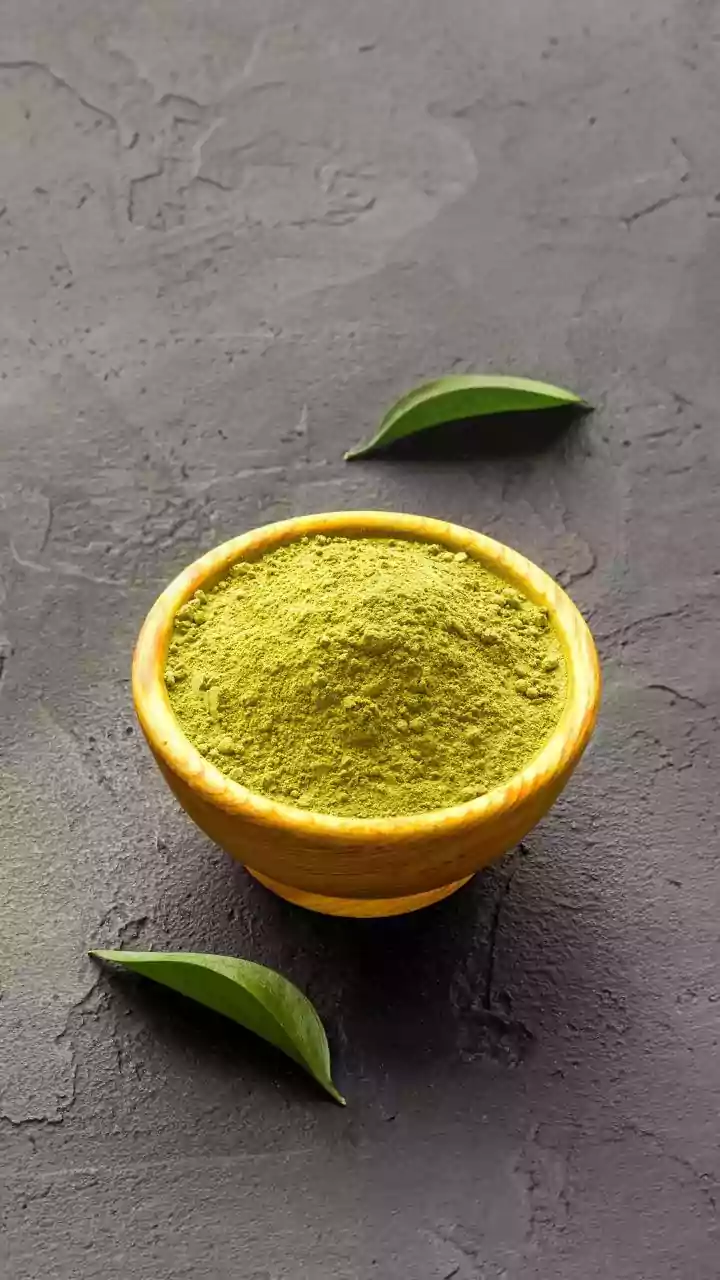
Ambali is a traditional porridge-like beverage originating from the southern states of India, particularly Karnataka. For generations, it has been a nourishing and cooling meal for farmers and rural communities. Made from finger millet flour, known as ragi,
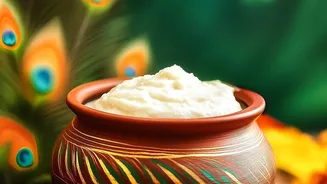
the preparation is simple: ragi flour is cooked into a paste, often combined with a bit of rice, and then left to ferment overnight, typically in an earthen pot. This fermentation process gives it a distinct, slightly sour taste. The resulting mixture is then thinned with water and often mixed with buttermilk (chaas), finely chopped onions, green chillies, and curry leaves to create a savoury, refreshing drink. It was valued for its ability to provide sustained energy and cool the body during hot weather.
The Nutritional Power of Ragi
At the heart of Ambali's appeal is its main ingredient: ragi. Finger millet is a powerhouse of nutrition. It is naturally gluten-free and boasts a high content of calcium, iron, and dietary fibre. Its high fibre content aids in digestion, helps promote a feeling of fullness which can assist in weight management, and contributes to its low glycemic index, making it beneficial for regulating blood sugar levels. Once considered a 'coarse grain', millets like ragi are now celebrated as superfoods for their dense nutritional profile and resilience as a crop, making them good for both personal health and the planet.
The Magic of Fermentation
The fermentation process is what elevates Ambali from a simple porridge to a wellness elixir. Traditional Indian food wisdom has long incorporated fermented foods like idli, dosa, and curd into daily meals. Fermentation enriches food with probiotics, the beneficial bacteria that are crucial for a healthy gut microbiome. These probiotics support digestion, improve immunity, and can even influence mood through the gut-brain axis. The process also breaks down anti-nutrients like phytic acid found in grains, which in turn makes minerals like iron, zinc, and calcium more bioavailable, meaning the body can absorb them more easily.
From Farm to City Cafe
So, how did this rustic dish find its way into the urban Indian wellness scene? The shift is part of a larger cultural trend of looking back to traditional food systems for modern health solutions. As urban wellness culture becomes more focused on gut health and natural ingredients, ancient practices are being rediscovered. Wellness influencers and nutritionists have championed fermented foods, bringing forgotten recipes like Ambali into the spotlight. There is a growing desire among city dwellers for authenticity and a connection to their roots, moving away from heavily processed foods toward simple, wholesome meals that their grandparents might have eaten. Consequently, Ambali is no longer just a farmer’s breakfast; it's a menu item in health cafes and a go-to recipe for urbanites seeking a natural probiotic boost.
A Modern Take on an Ancient Drink
Today, urban consumers are embracing Ambali in both traditional and modern forms. While many still prepare the classic savoury version with buttermilk and onions, others are experimenting. Some enjoy a sweeter version, known as ragi malt, by adding jaggery or milk. The porridge base can also be adapted into smoothie bowls, topped with fresh fruits and seeds for a contemporary breakfast. This versatility allows Ambali to fit seamlessly into modern lifestyles while still delivering its ancient health benefits. Its resurgence is a testament to the timeless wisdom of traditional Indian cuisine, proving that sometimes the best wellness trends are the ones that have been with us all along.