




A Season of Extremes
The 2026 southwest monsoon has been a story of sharp contrasts. After a significant deficit in June, rainfall recovered in some areas in July, but the distribution remains highly erratic. As of mid-August, the all-India rainfall deficit stood at 12% below
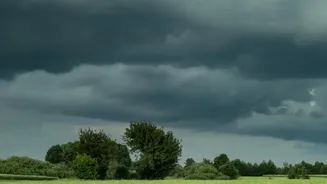
the long-period average. However, this single number hides a more worrying reality. While some regions, like parts of Central India, have received strong showers, others, particularly in eastern and southern India, are grappling with significant shortfalls. This has created a patchwork of conditions where some districts face flood-like situations while neighboring areas struggle with drought and prolonged dry spells, putting immense pressure on rain-fed agriculture.
Sowing Disrupted, Key Crops at Risk
The erratic rainfall has directly impacted the sowing of Kharif crops. According to data from the Agriculture Ministry as of August 14, the total area sown for Kharif crops is about 2% lower than last year. Paddy, the season's main crop, has seen its acreage decline by 3.7%. Sowing for other crucial crops like tur (arhar), maize, and cotton is also lagging. The window for planting is now closing, which means the final harvest size will depend heavily on the yields from the already sown areas. Crops are now entering critical growth stages where consistent moisture is essential for development, and any further dry spells could severely damage productivity.
The Regional Divide
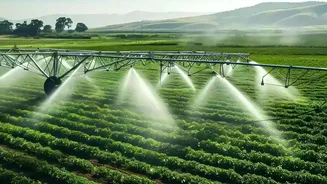
The impact is not uniform across the country. Key rice-producing districts, especially those relying on rain, are vulnerable. While states with better irrigation can partially cushion the blow, rain-fed paddy and pulses face a significant threat. States like Bihar, Jharkhand, and parts of Uttar Pradesh and West Bengal have recorded significant rainfall deficiencies, delaying transplanting operations for rice. In contrast, some areas have seen heavy downpours that threaten to damage standing crops like soybean, which is particularly at risk from moisture stress during its pod formation stage. This regional disparity is a core feature of the 2026 monsoon, making national-level responses more challenging.
The Knock-On Effect for Your Wallet
The consequences of a poor Kharif harvest extend far beyond the farm gate, directly impacting household budgets. Reduced production of essential commodities like rice, pulses, and oilseeds tightens domestic supply. This can lead to a spike in food inflation, making daily meals more expensive for millions. With sowing for pulses and oilseeds already under stress, there are growing concerns about India's reliance on imports to meet domestic demand. Furthermore, lower agricultural output affects the incomes of a vast rural population, which can dampen rural demand for goods and services, creating a ripple effect across the broader economy.
What Happens Next?
The next few weeks are critical. The performance of the monsoon through the rest of August and September will determine the final yields. Experts are watching soil moisture levels and the health of reservoirs, which are reported to be below last year's levels, constraining water availability for irrigation later in the season. The government is monitoring the situation closely, with contingency plans being prepared for the most vulnerable districts. These plans could involve providing support for alternative crops, managing water resources, and preparing for potential price volatility in the market to protect both farmers and consumers from the monsoon's unpredictable nature.