



A Landscape Reborn
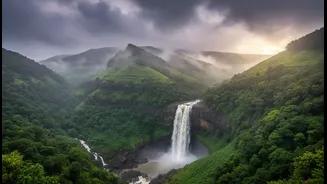
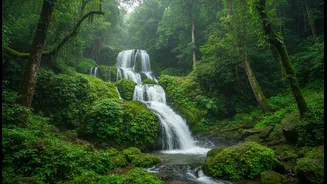
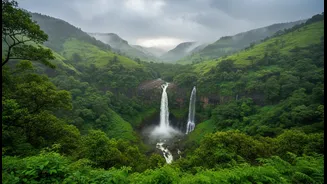
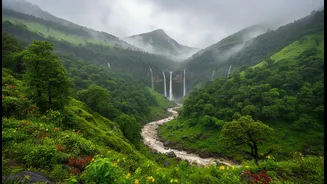
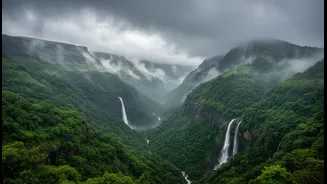
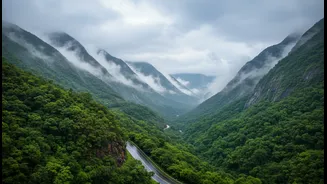
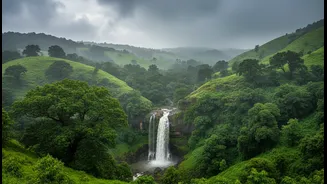
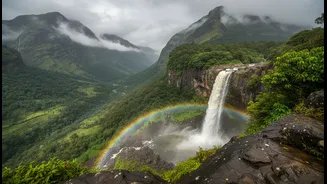
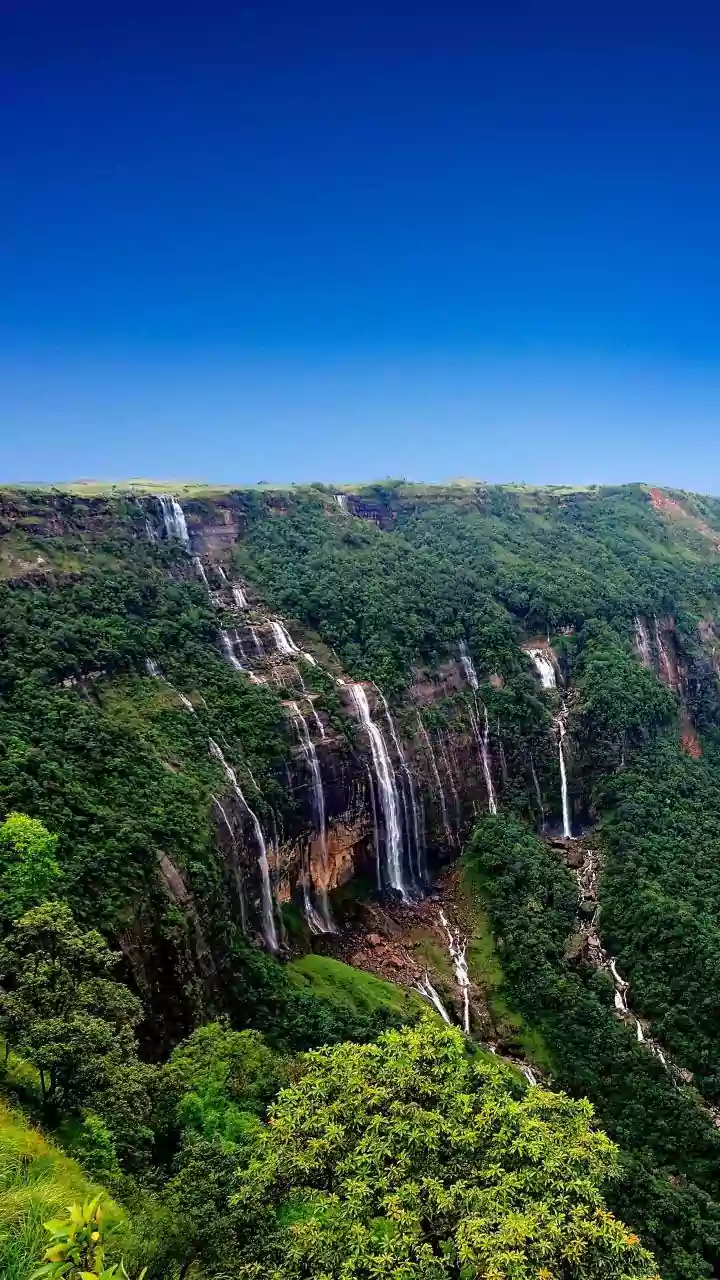
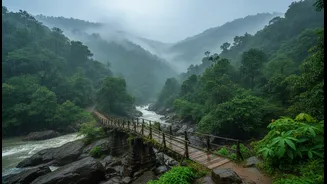
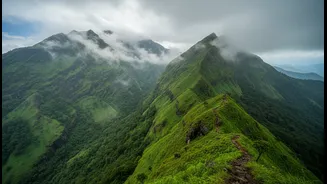
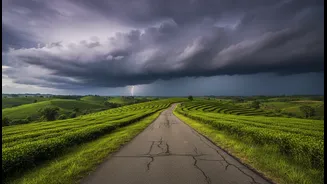
From June to September, the rains breathe new life into the ancient hills that span Maharashtra, Goa, Karnataka, Kerala, and Tamil Nadu. Hillsides shed their summer brown for countless shades of green, and waterfalls that were mere trickles in May become
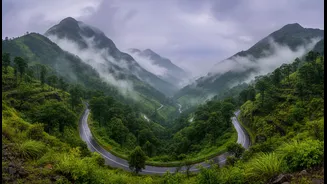
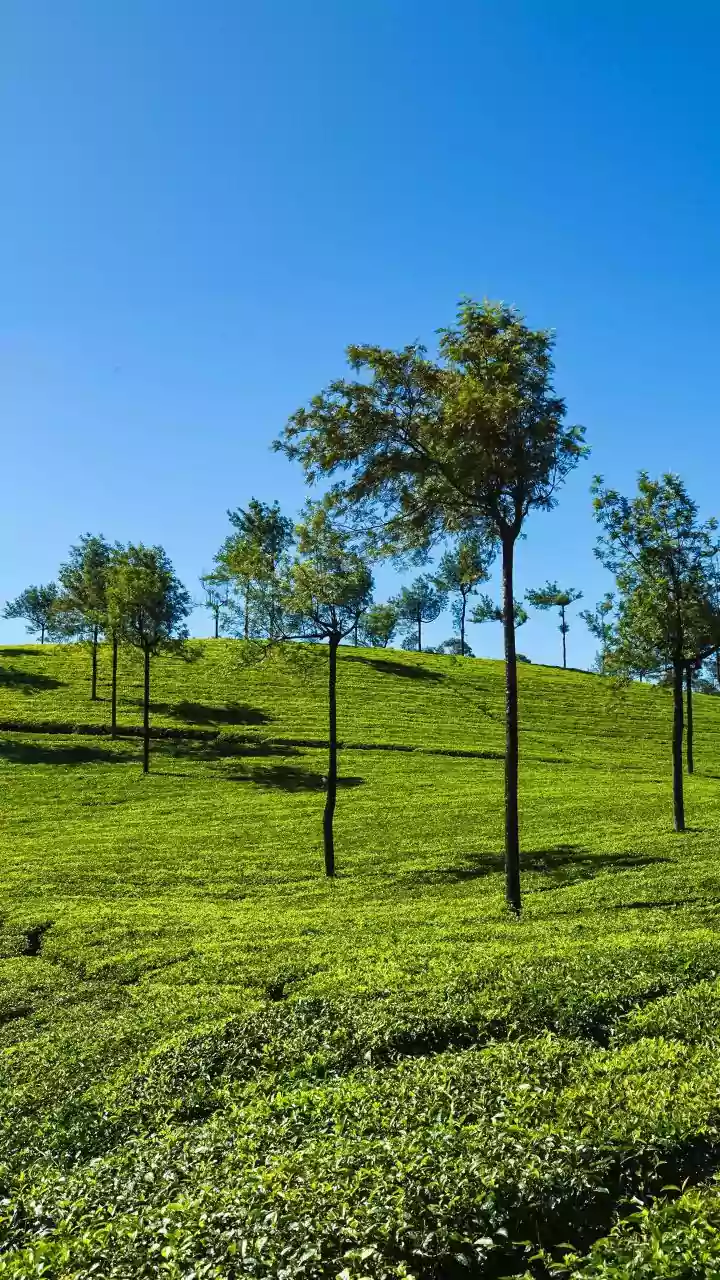
thunderous cascades. Destinations like Munnar, Coorg, Wayanad, and Malshej Ghat become lush wonderlands, offering scenes straight out of a postcard. The mist plays hide-and-seek with the peaks, creating a dramatic, ever-changing landscape that draws photographers, nature lovers, and anyone seeking a break from the city's heat. This is the version of the Ghats that locals cherish, where every forest trail feels like a secret passage.
Before You Go: Plan for the Rain
A safe monsoon trip begins before you even leave home. Constantly check the weather forecast, as conditions in the mountains can change rapidly. The India Meteorological Department (IMD) often issues alerts for heavy rainfall, which can lead to the closure of roads and tourist spots. Local authorities in districts across the Ghats may restrict access to waterfalls, trekking trails, and areas prone to landslides for safety reasons. Inform someone about your travel itinerary and expected return time. Pack synthetic, quick-dry clothing instead of cotton, and a good raincoat is more practical than an umbrella against the region's strong winds. Most importantly, ensure your vehicle is serviced, paying special attention to tyres, brakes, and wipers.
On the Road: Navigating Ghats Safely
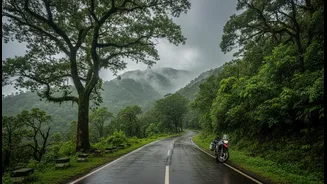
Driving on ghat roads during the monsoon demands your full attention. Reduce your speed, as wet roads increase braking distances and slippery patches are common. Maintain a greater distance from the vehicle in front of you. Use lower gears when driving downhill to avoid overheating your brakes. Honk around blind curves to alert oncoming traffic. A crucial rule of thumb on narrow roads is to give way to traffic moving uphill. Avoid driving after sunset if possible, as visibility can drop to near-zero in heavy rain and fog. Never attempt to drive through a flooded area if you cannot gauge its depth; even a seemingly harmless stream can have a strong current.
On the Trail: Trekking with Caution
Monsoon treks offer unparalleled beauty but come with specific dangers. Trails become slippery, increasing the risk of falls. Always wear proper trekking shoes with good grip and consider using a trekking pole for stability. It is highly recommended to trek with a group or a local guide who knows the terrain. Some trails are known to be high-risk during heavy rains due to flash floods in narrow gullies or steep, rocky patches that become treacherous. Authorities often close popular or dangerous trails during periods of intense rainfall, so always verify the status of a route before you start. Be wary of leeches, a common nuisance on wet forest trails.
Water Wisdom: The Danger of Swollen Falls
Waterfalls are at their most majestic during the monsoon but are also at their most dangerous. A gentle stream can turn into a raging torrent in minutes following heavy upstream rain. Authorities frequently issue warnings and restrict access to waterfalls because the rocks are slippery and the water flow can be unpredictable. Never get too close to the edge of a waterfall or attempt to swim in the pools at their base, as currents can be deceptively strong. The same applies to rivers and streams, which can swell rapidly. Avoid crossing flooded bridges or waterlogged paths. Recent tragic events, including landslides near tunnel projects in Wayanad, underscore the immense power of water and disturbed slopes in the Ghats during this season.