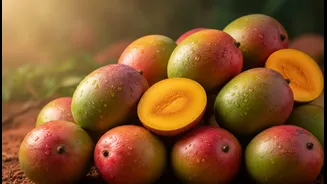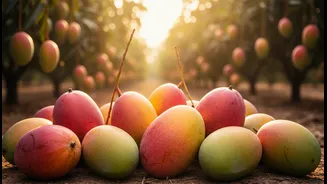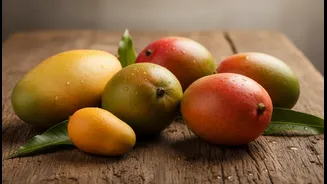










The Summer of Fleeting Superstars
Another summer, another viral fruit. This year, alongside the usual frenzy for Alphonsos, social media timelines were filled with posts about hyper-local varieties, from the intriguing 'Haramzada' mango of Uttar Pradesh to the jamun and phalsa berries
that received sudden, widespread attention. This digital spotlight is wonderful; it introduces a new generation to the incredible diversity of Indian produce and generates a brief, intense wave of consumer interest. Events like the 'Indian Mango Party' in San Francisco, which drew massive crowds and went viral, show a growing global appetite for varieties beyond the handful of famous names. But what happens when the season ends and the Instagram reels stop trending? For the farmers growing these unique fruits, the answer is often: not much. The brief spike in demand rarely translates into long-term stability or economic security.
Why Viral Fame Is Not a Future
A viral moment is not a market strategy. The excitement on social media rarely connects to the complex reality of agriculture. Smallholder farmers, who are the custodians of these rare varieties, face immense challenges. They grapple with limited market access, poor infrastructure for storage and transport, and a lack of bargaining power against middlemen. A sudden surge in interest without a robust supply chain to support it can lead to price volatility and wasted produce. More importantly, viral fame does nothing to protect the identity and legacy of the fruit itself. Without a formal system of recognition, there is nothing to stop an inferior variety from being sold under the name of a newly popular mango, diluting its reputation and cheating both the consumer and the original grower.
The Power of a Paper Trail
This is where documentation becomes crucial. The most powerful form of this is the Geographical Indication (GI) tag. A GI tag is a legal seal of approval, certifying that a product originates from a specific region and possesses unique qualities attributable to that geography. Think of it like Champagne from France or Darjeeling tea. For mangoes, a GI tag for a variety like the Ratnagiri Alphonso or Gir Kesar ensures that only fruit grown in that specific region, following defined practices, can carry the name. This certification protects farmers from fraud, allows them to command a premium price, and gives consumers a guarantee of authenticity and quality. India currently has GI tags for over a dozen mango varieties, including Malihabadi Dusseheri from Uttar Pradesh and Banginapalli from Andhra Pradesh, but with over a thousand documented varieties in the country, this is just the beginning.
What's at Stake for Farmers and Foodies
The stakes are incredibly high. For farmers, formal documentation and GI tagging can transform their livelihoods. It provides the economic incentive to continue cultivating traditional, sometimes less productive, varieties instead of switching to more common commercial crops. It protects generations of agricultural knowledge and practice. For consumers and the nation at large, this is about preserving our immense biodiversity. India is a global mega-biodiversity centre, but many of our indigenous fruit species are under threat due to changing land use and a lack of conservation efforts. Without a concerted effort to document, study, and protect these varieties, we risk losing not just unique flavours and aromas, but also valuable genetic resources that could be vital for developing future crops resilient to climate change. Unique varieties like the Jehangir mango have already faded from common markets, existing mainly in horticultural records.