



More Than Just Waste
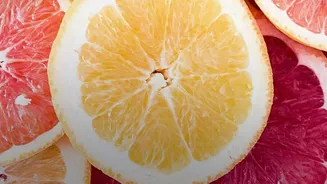
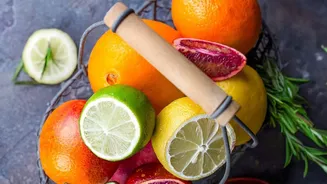
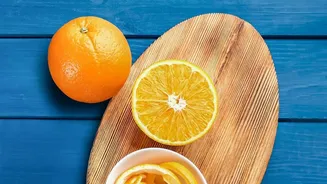
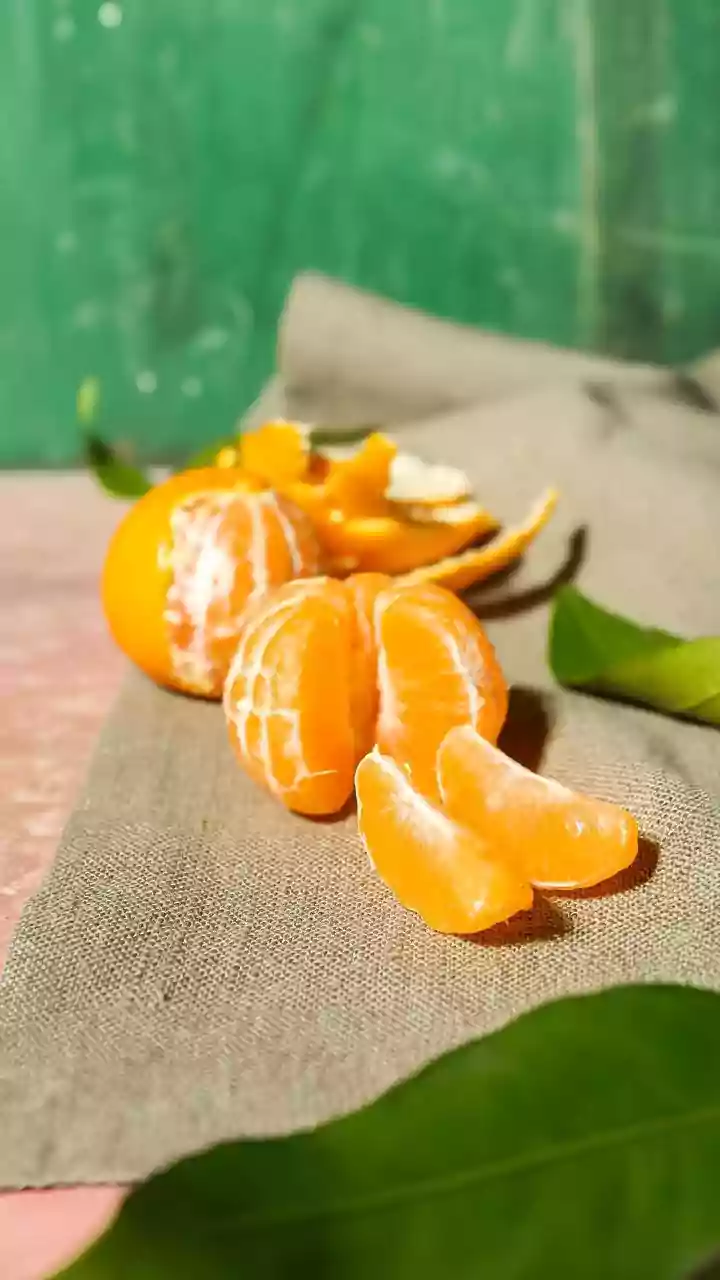
Every time you squeeze a lemon or peel an orange, a valuable resource often ends up in the compost bin. But the peels, pith, and zest of citrus fruits are packed with beneficial compounds that the fruit itself contains in smaller amounts. By saving these
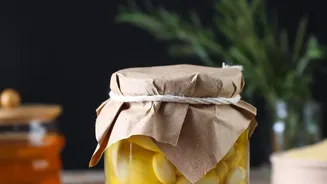
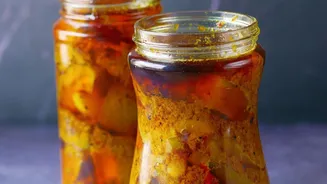
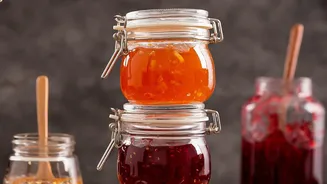
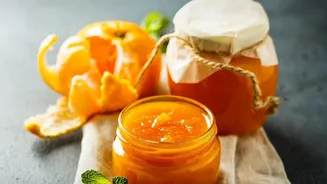
scraps, you’re not just cutting down on food waste; you're unlocking a potent source of flavour and nutrition. The process of turning them into preserves is a time-honoured tradition that transforms something bitter and tough into a sweet, jewel-like confection. It’s a simple, rewarding kitchen project that gives a second life to an ingredient you’ve already paid for, making your groceries go further in the most delicious way.
The Gut-Health Connection
The claims about citrus peels being “gut-healthy” are centered on one key component: pectin. Pectin is a type of soluble dietary fiber found in high concentrations in the peel and pith of citrus fruits. This is the same natural substance used to make jams and jellies set. When you eat it, pectin acts as a prebiotic, meaning it serves as food for the beneficial bacteria living in your gut. A healthy and diverse gut microbiome is linked to better digestion, a stronger immune system, and reduced inflammation. The fermentation of pectin by gut bacteria produces short-chain fatty acids (SCFAs), which are vital for maintaining the health of your intestinal lining. So while these preserves are a sweet treat, they also deliver a meaningful dose of fiber that actively supports your digestive wellness.
What You Will Need
The beauty of this recipe is its simplicity. You don’t need any special equipment, just a bit of patience. Ingredients: - Peels from 4-6 large oranges, lemons, or grapefruit (or a mix) - 2 cups of granulated sugar, plus extra for coating - 2 cups of water for the syrup - A large pot of water for blanching Equipment: - A large saucepan or pot - A knife or vegetable peeler - A colander - A slotted spoon - A tray or baking sheet lined with parchment paper
Step 1: Prepare and Blanch the Peels
The first and most critical step is to remove the intense bitterness from the peels. The bitter compounds are water-soluble, so boiling is the most effective method. First, wash your fruit thoroughly. You can either peel the fruit with a vegetable peeler, trying to get just the coloured zest, or you can cut the fruit in quarters and pull the peel off with the white pith intact. The pith contains a lot of pectin, so it's good to keep it. Cut the peels into uniform strips, about a quarter-inch wide. Place the peels in a large pot, cover with cold water, and bring to a boil. Let them boil for 10-15 minutes, then drain the water completely. Repeat this process two more times, each time with fresh cold water. This repeated blanching is key to a pleasant-tasting final product. After the third boil, the peels should be noticeably less bitter.
Step 2: Candy the Peels
Now for the magical transformation. In the same pot, combine 2 cups of sugar and 2 cups of water. Stir over medium heat until the sugar has completely dissolved, creating a simple syrup. Add the blanched, drained peels to the syrup. Bring the mixture to a simmer, then reduce the heat to low. Let the peels cook gently in the syrup for 45 to 60 minutes. You’ll see them slowly become tender and translucent as they absorb the sugar. Stir occasionally to prevent sticking. The process is complete when the peels look glassy and the syrup has thickened slightly. Don't rush this step; the slow simmer is what ensures a soft, chewy texture.
Step 3: Dry and Store
Once the peels are translucent, use a slotted spoon to lift them out of the syrup, letting any excess drip back into the pot. (You can save the leftover citrus-infused syrup for cocktails or drizzling over cakes.) Spread the hot peels in a single layer on a tray with extra granulated sugar. Toss them gently to get an even coating. Finally, transfer the sugar-coated peels to a baking sheet or wire rack to air dry for a day or two until they are no longer sticky to the touch. Once fully dried, your preserves can be stored in an airtight container at room temperature for several weeks. They will become chewier and their flavour will continue to mellow over time.
How to Enjoy Your Preserves
These candied citrus peels are wonderfully versatile. You can eat them as a sweet and chewy snack, dip them in melted dark chocolate for an elegant treat, or chop them up and add them to baked goods like scones, muffins, and fruitcakes. They also make a beautiful garnish for cocktails, cheesecakes, or a simple bowl of yogurt or ice cream. By turning your kitchen scraps into a delicious, gut-friendly delicacy, you embrace a more sustainable way of cooking that is both resourceful and rewarding.