





Spiti’s Geographic Secret: The Rain-Shadow Advantage
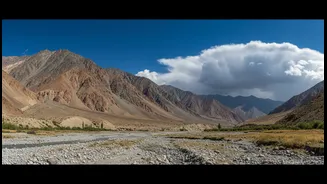
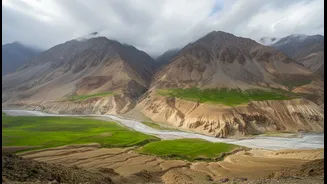
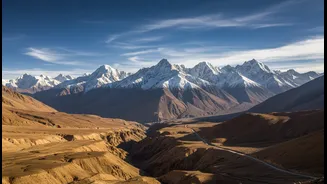
The main reason Spiti is a safe bet during the monsoon is its unique location. Tucked behind the massive Great Himalayan range, it lies in a rain-shadow area. This means the towering peaks block most of the moisture-laden monsoon clouds from ever reaching
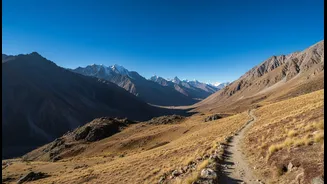
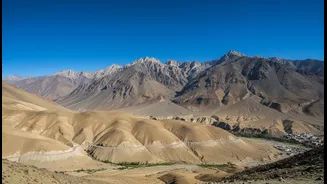
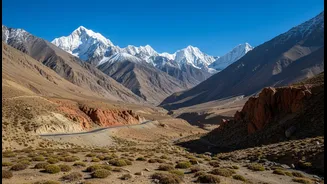
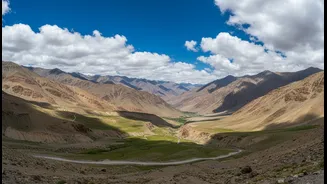
the valley. While other popular destinations in Himachal Pradesh and Uttarakhand are drenched, Spiti remains remarkably dry and sunny. This geographical shield translates into clear blue skies and a dramatically lower risk of the floods and landslides that plague other hill stations from July to September. Couples can explore freely without the constant worry of being stranded by a downpour.
Adventure Without the Monsoon Anxiety
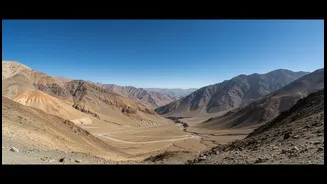
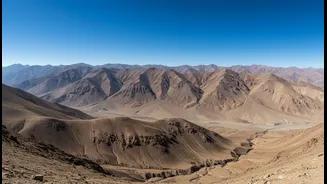
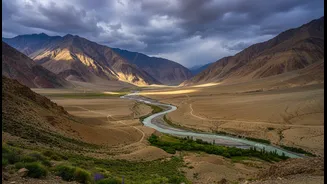
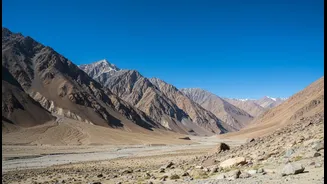
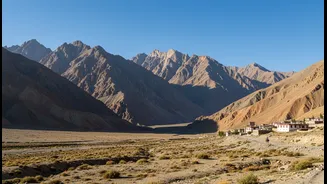
For couples who bond over experiences rather than poolside cocktails, Spiti offers a different kind of romance. The dry weather means that adventure is always on the itinerary. Days can be spent visiting ancient Buddhist monasteries like Key and Tabo, which exude a profound sense of peace. You can send a postcard from the world’s highest post office in Hikkim, explore some of the highest motorable villages like Komic, or simply marvel at the stark, lunar-like landscapes. While the monsoon brings a rare, faint green hue to the otherwise barren land, the core activities of trekking and exploration remain accessible and safe, offering an adventurous start to married life.
The Journey Is Part of the Honeymoon
While Spiti Valley itself is dry, getting there requires careful planning. There are two main routes: one via Manali and the other via Shimla and Kinnaur. During the monsoon, the Shimla-Kaza highway is widely considered the safer and more reliable option. This route avoids the high-altitude passes like Kunzum La on the Manali side, which are more susceptible to bad weather. The journey from Shimla is longer, but it offers a crucial advantage: gradual acclimatisation. This slow ascent significantly reduces the risk of altitude sickness, a common issue for travellers arriving from the plains. For safety-conscious couples, choosing this route is a non-negotiable part of a well-planned trip.
A Different Kind of Connection
A honeymoon in Spiti is less about luxury and more about connection—with nature and each other. The region's remoteness means limited phone networks and Wi-Fi, creating a forced digital detox that many modern couples find refreshing. Instead of scrolling through feeds, evenings are spent stargazing under some of the clearest night skies in India, with the Milky Way often visible to the naked eye. The experience is defined by long, scenic drives, sipping butter tea in local cafes, and sharing quiet moments against a backdrop of immense, silent peaks. It’s an opportunity to disconnect from the world and reconnect as a couple, making the trip itself a foundational memory.
Practical Tips for a Smooth Trip
Being safety-conscious extends beyond just choosing the destination. A trip to Spiti requires practical preparation. Acclimatisation is key, so plan to spend at least a night at a mid-altitude location like Kalpa or Nako if coming from Shimla. Packing should include layers of warm clothing, as night temperatures can drop significantly even in summer. A good quality windproof jacket, sunscreen, and sunglasses are essential due to the high altitude and harsh sun. While the valley is safe, the approach roads can still face disruptions, so building a couple of buffer days into your itinerary is a smart move to handle any unexpected delays without stress.