




The Big Squeeze: Understanding 'Free Sugars'
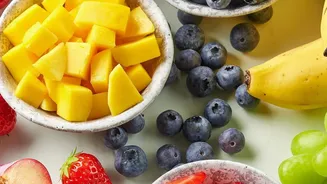
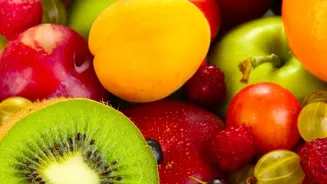
When you eat a whole apple, the sugars are 'intrinsic', meaning they are naturally bound within the fruit's cellular structure. This structure includes fibre, which your body has to break down. The process of juicing, however, completely changes this.
It pulverises the fruit's cells, releasing the sugars and turning them into what the World Health Organization (WHO) calls 'free sugars'. These are the same type of sugars found in honey, syrups, and those added to processed foods. Even if your juice is 100% freshly squeezed with no added sugar, its natural sugars are now 'free' and behave very differently in your body.
The Missing Link: Where Did All the Fibre Go?
One of the most significant differences between whole fruit and juice is the fibre content. The skin, pulp, and membranes of fruits are packed with dietary fibre, most of which is removed during the juicing process. This fibre is crucial for good health. It aids digestion, promotes a healthy gut, and, importantly, slows down the absorption of sugar into your bloodstream. By removing the fibre, juice delivers a concentrated hit of sugar without the natural braking system that a whole piece of fruit provides. This also means juice is less filling, making it easier to consume more sugar and calories without feeling full.
The Blood Sugar Spike
Because fruit juice lacks fibre, the 'free sugars' are absorbed into your bloodstream very quickly. This can cause a rapid spike in blood glucose levels, followed by a corresponding surge in insulin, the hormone that helps your cells absorb sugar. Over time, frequent sugar spikes can contribute to health issues. In contrast, the fibre in whole fruit slows down digestion and sugar absorption, leading to a more gradual and gentler rise in blood sugar levels. This provides a more sustained release of energy and is easier for your body to manage.
It's a Numbers Game
Consider the quantity. You might squeeze three or four oranges to make a single small glass of juice, consuming the sugar from all of them in a matter of minutes. It’s highly unlikely you would eat four whole oranges in one sitting. This concentration is a key reason why juice contributes so much more sugar to your diet. For example, a single cup of orange segments has about 3.6 grams of fibre, while a cup of orange juice has only 0.5 grams. This stark difference highlights how the form in which you consume fruit drastically alters its nutritional impact.
The Verdict: Whole is Better
While 100% fruit juice does contain vitamins and minerals, the consensus among health experts is that whole fruit is the far superior choice. The combination of fibre, intact nutrients, and the slower eating process makes whole fruit more satisfying and gentler on your blood sugar. Some studies have linked high juice consumption with weight gain, particularly in children. For day-to-day nutrition, prioritising fruit in its natural, whole form is the best strategy for your health. If you do enjoy juice, think of it as a treat rather than a daily health staple. The NHS and other health bodies recommend limiting your intake to a small glass (around 150ml) per day and, where possible, diluting it with water.